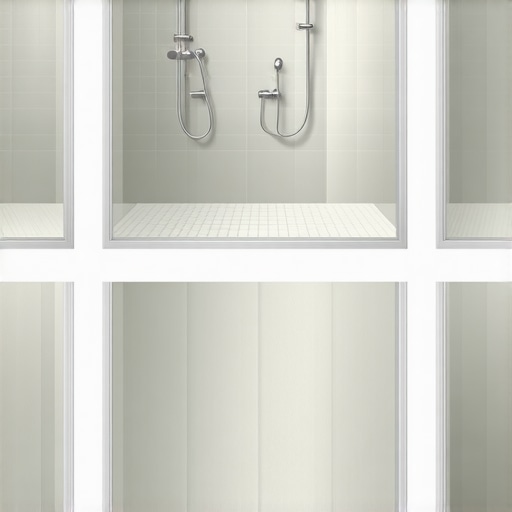
Revolutionizing Bathroom Aesthetics with Advanced Shower Tile Applications
In the rapidly evolving landscape of bathroom renovations, the convergence of functional durability and aesthetic appeal takes precedence. The integration of innovative tile materials and installation techniques has transformed showers into focal points of luxury and innovation. For 2026, experts emphasize the adoption of ultra-slim, large-format tiles that reduce grout lines, thereby minimizing maintenance and enhancing visual continuity. Such design nuances not only elevate the spatial perception but also facilitate comprehensive cleaning routines, particularly when paired with expert-grade grout restoration methods discussed here.
Strategic Selection of Grout for Enhanced Shower Resilience
An often underappreciated component, grout plays a pivotal role in ensuring the longevity of tile installations. The debate between traditional cementitious grout and modern epoxy formulations is central to achieving durable, stain-resistant, and water-proof joints. Recent advancements highlight epoxy grout’s superiority in resisting mold and even orange staining, common annoyances in humid environments. Moreover, sealing techniques acquired from master tile installers can significantly extend grout’s lifespan, as detailed in the expert guide.
Proactive Strategies for Maintaining and Restoring Tile and Grout
Regular maintenance is essential for preserving the integrity of shower spaces. From routine cleaning with pH-balanced solutions to strategic grout touch-ups, proactive measures mitigate the formation of mold and prevent water infiltration. Advanced restoration techniques involve applying specialized sealants and using heat or ultrasonic cleaning methods to refresh old grout without complete removal. For a comprehensive approach, visit this resource.
Can Intelligent Design Minimize Future Shower Failures?
What innovative construction practices are reshaping the durability of shower bases and tiling in 2026?
The integration of waterproof membranes beneath tiling systems and the utilization of flexible, non-porous materials like PVC or composite baseboards are reshaping standard practices. These materials resist warping and decay caused by water exposure, addressing common points of failure. Installation techniques now favor seamless bonding, reducing grout joints to strategic points rather than structural necessities. This evolution demands a deep understanding of material science and building codes—areas where professional guidance is invaluable.
For an in-depth exploration of durable baseboard solutions, consider reviewing this expert publication.
Professionals and DIY enthusiasts alike are encouraged to share insights on installation challenges and innovative solutions via our contact page.
In conclusion, mastering the intersection of cutting-edge materials, meticulous installation, and proactive maintenance is essential for elevating bathroom aesthetics and functionality in 2026. Staying informed about emerging trends and technological advancements enhances both the visual impact and structural resilience of shower enclosures and associated elements.
Innovative Tile Materials Redefining Shower Endurance
As bathroom design trends evolve, so does the quest for materials that withstand moisture, temperature fluctuations, and daily use. The adoption of porcelain, ceramic, and increasingly popular stone composite tiles offers superior durability compared to traditional ceramic options. These materials provide resilient surfaces that resist staining, chipping, and water infiltration if properly installed. When combined with expert-grade grout applications, they form a formidable barrier against the common causes of shower deterioration, as highlighted in the expert guide.
Sealing Strategies to Protect Your Investment
Beyond selecting the right materials, the importance of sealing cannot be overstated. Modern sealants enriched with nanotechnology fill microscopic pores, rendering the tiles and grout hydrophobic. This innovation significantly minimizes water absorption, mold growth, and discoloration over time. Professionals emphasize the necessity of reapplying sealants periodically to maintain these benefits, especially in high-traffic or humid areas. For in-depth sealing techniques tailored to withstand 2026’s challenging conditions, consider reviewing trusted maintenance tips.
Strategies to Prevent Common Shower Failures Before They Occur
One of the biggest frustrations in bathroom upkeep is grout failure, often manifesting as cracking, discoloration, or water seepage. These issues typically stem from improper installation or material incompatibility. To minimize these risks, experts recommend choosing epoxy or hybrid grout formulations that balance flexibility with water resistance. Properly drying and curing the grout before sealing ensures optimal longevity. Regular inspection and prompt touch-up of minor cracks can prevent larger failures, extending the lifespan of the entire shower system. For comprehensive solutions, visit this detailed resource.
Could emerging nanotech-enhanced grout solutions reshape shower maintenance in the coming years?
Nanotechnology is revolutionizing the building industry, with innovative grout sealants now capable of repelling moisture and inhibiting microbial growth at a microscopic level. These advanced formulations promise to dramatically lengthen maintenance cycles and reduce the need for harsh cleaning chemicals, aligning with eco-friendly bathroom initiatives outlined here. As experts continue to explore the potential of these cutting-edge materials, both homeowners and professionals can look forward to more sustainable, long-lasting bathroom solutions.
If you’re interested in integrating these next-generation techniques into your renovation projects, reach out through our contact page for tailored insights and assistance.
Harnessing Material Science to Combat Shower Wear and Tear
In the pursuit of longevity, contemporary tile selections extend beyond aesthetics into the realm of advanced material science. Porcelain and engineered stone composites have gained prominence due to their intrinsic resistance to moisture-induced degradation, thermal shock, and surface chipping. Recent breakthroughs in nano-porous coatings integrated during manufacturing significantly enhance these materials’ ability to repel water ingress, thus reducing underlying substrate deterioration. Experts underscore that such innovations require precise installation workflows to fully realize their durability potential, particularly emphasizing the imperative of controlled curing environments during laying and sealing phases.
Designing for Resilience: The Role of Structural Engineering in Shower Systems
Beyond material selection, integrating resilient structural elements is pivotal. The adoption of flexible membrane systems, such as liquid-applied waterproof membranes, coupled with mechanically fastened vapor barriers, allows for adaptive movement caused by substrate expansion and contraction. This biomechanical flexibility minimizes cracking and delamination risks, notably in regions subject to temperature fluctuation or ground movement. Knowledge of these complex interplays between structural engineering and tiling performance informs best practices, and contemporary codes increasingly mandate such integrated systems for high-end installations.
How Can PAA-Style Inquiries Uncover Hidden Challenges in Shower Technology?
What nuanced questions should professionals pose when evaluating new waterproofing membranes for long-term performance?
To unearth potential shortcomings, experts recommend interrogating membrane compatibility with diverse substrates, adhesion quality under varying temperature ranges, and resistance to chemical degradation over prolonged exposure. Pilot testing under simulated environment conditions and in-situ assessments facilitate early detection of failure modes. As highlighted in the authoritative compendium by the National Tile Association, comprehensive evaluation protocols can preempt costly remedial work, ensuring that materials deliver on their promised longevity. This proactive methodology epitomizes the forward-thinking approach essential for durable shower systems.
See how implementing these rigorous evaluation techniques streamlines decision-making processes and enhances project outcomes—discover the detailed framework provided in the source cited above.
Embracing Eco-Conscious Strategies for Sustainable Shower Environments
Sustainable building practices are more than a trend—they’re emerging as industry standard. Selecting low-VOC, water-based sealants and adhesives aligns with eco-friendly initiatives while reducing occupational health risks. Incorporating recyclable or biodegradable tile backer boards and advocating for water-efficient plumbing fixtures further conserves resources. Expert-level projects integrate these components seamlessly within the design phase, emphasizing the importance of lifecycle assessment and environmental impact analyses, often referenced in sustainability benchmarks issued by agencies like LEED. Such strategies not only preserve ecological integrity but also enhance the brand reputation for conscientious craftsmanship.
Future-Proofing Shower Installations with Smart Technologies
The integration of IoT-enabled sensors into shower systems represents a leap towards intelligent bathrooms. These devices monitor moisture levels, detect leaks, and even optimize water flow in real-time, providing actionable data for ongoing maintenance. As research in this domain advances, we anticipate the emergence of predictive analytics capable of foreseeing component failures before symptoms manifest, thus minimizing downtime and repair costs. For professionals committed to innovation, familiarizing oneself with these technologies today opens avenues for designing next-generation, maintenance-minimized shower ecosystems, ensuring resilience well into the future.
Unveiling Cutting-Edge Approaches to Elevate Shower Durability and Design
In the realm of modern bathroom renovations, leveraging innovative materials and installation methodologies is paramount for achieving resilient and visually compelling shower environments. As we progress through 2026, experts are increasingly championing the integration of nanotechnologies in tile sealants, smart substrates with adaptive properties, and modular assembly techniques that facilitate easy maintenance and scalability. These advancements not only fortify the structural integrity of shower enclosures but also streamline long-term upkeep, echoing the industry’s shift toward sustainable, high-performance solutions.
Harnessing the Power of Micro-Structural Materials for Enhanced Water Resistance
Latest developments in material science, such as nano-porous coatings and engineered stone composites, are redefining standards for water infiltration resistance. These materials actively repel moisture at the microscopic level, preventing substrate deterioration and mold proliferation. When combined with epoxy grouts infused with antimicrobial agents, the result is a formidable barrier against common shower failures. For a detailed exploration of these innovations, consult the comprehensive insights provided by the National Tile Association’s recent publication.
Innovative Construction Practices That Minimize Longevity Concerns
How can specialized installation techniques mitigate future deterioration in high-moisture areas?
Professionals now favor the use of liquid-applied waterproof membranes combined with flexible, load-distributing backer boards, which accommodate substrate movements and prevent cracking. Additionally, the strategic use of slack in piping and movement joints ensures energy absorption under thermal expansion, thereby reducing stress on tiles and grout. These practices require meticulous planning and mastery of detailed workflows, underlining the necessity for continuous education and adherence to evolving building codes. For advanced methodologies, review the technical guidelines outlined here.
Professionals and enthusiasts eager for deeper insights should engage with industry forums and ongoing training to refine their expertise in these sophisticated practices.
Embedding these innovative approaches into your projects can significantly extend the lifespan of shower installations, delivering enduring beauty and resilience.
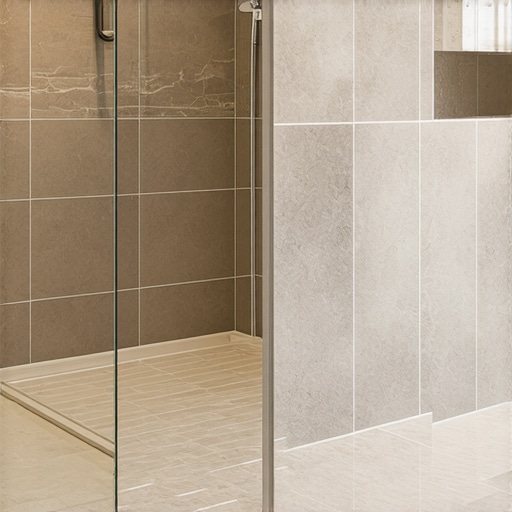
Revolutionary Tile Materials Pushing Boundaries of Endurance
The shift toward using high-performance porcelain, engineered stone, and ceramic composites reflects an industry commitment to durability. Such materials resist thermal cycling, surface abrasion, and water penetration more effectively than traditional ceramic tiles. The advent of nano-enhanced surface treatments further amplifies these properties, creating self-cleaning, stain-repellent surfaces that reduce maintenance burdens. Experts acknowledge that correct application, including precise curing environments and adhesion protocols, is critical to unlocking these benefits fully.
Strategic Sealing to Safeguard Against Moisture Intrusion
The integration of nanotechnology-based sealants has accelerated the evolution of hydrophobic barrier systems. These advanced sealants penetrate microscopic pores, forming an invisible shield that inhibits mold growth and discoloration. Regular reapplication, aligned with manufacturer’s guidance and environmental exposure, sustains their protective qualities. For in-depth sealing techniques and product recommendations suitable for 2026, explore the detailed resources available here.
Preventing Failure Through Precision and Proactivity
Anticipating issues like grout cracking, tile delamination, or water seepage demands proactive strategies. Utilizing epoxy or hybrid grout formulations enhances flexibility and chemical resistance, accommodating substrate movement without failure. Implementing moisture sensors within the tile assembly and scheduling routine inspections can detect early signs of deterioration. These measures, combined with prompt interventions, uphold the integrity of the shower system over extended periods. For comprehensive preventive methodologies, see the authoritative guidance here.
Can integrating nanotechnology revolutionize routine maintenance and prolong shower lifespan?
Emerging nanotech solutions in grout sealants and tile coatings promise to redefine maintenance paradigms, offering self-healing properties and microbial resistance. These innovations could significantly lower long-term costs and environmental impact. Industry leaders expect that as these materials become more accessible, they will set new benchmarks for longevity and ease of upkeep. To stay ahead of this curve, professionals should monitor ongoing research and incorporate pilot testing into their project workflows.
If advancing your expertise in these cutting-edge techniques appeals to you, connect with us through our contact page.
Synergizing Material Innovation with Structural Resilience
Integrating flexible waterproofing systems, such as liquid membranes, with engineered substrate solutions curtails the primary points of failure associated with traditional tile installations. The adoption of smart shock-absorbing mounts and load-distributing grids facilitates movement management, dissipating stresses that induce cracks or delamination. This holistic, materials-science-informed approach necessitates collaboration between architects, materials scientists, and installation specialists to optimize outcomes and ensure compliance with the latest standards and regulations.
Expert Insights & Advanced Considerations
Harness Advanced Material Technologies for Longevity
Incorporating nano-porous coatings and engineered composites into tile selections significantly enhances water resistance and damage mitigation, demanding meticulous installation for optimal performance.
Prioritize Structural Flexibility to Prevent Cracking
Utilize flexible waterproof membranes and load-distributing grids to accommodate substrate movements, reducing failure risks caused by thermal expansion or ground shifts.
Implement Smart Monitoring for Ongoing Maintenance
Integrate moisture sensors and IoT devices within shower systems to detect early signs of deterioration, facilitating proactive interventions and extending lifespan.
Adopt Sustainable Materials for Future-Ready Bathrooms
Select low-VOC sealants, recyclable backer boards, and water-efficient fixtures aligned with eco-friendly trends and long-term durability goals.
Stay Ahead with Technological Innovations
Explore emerging nanotech-enhanced grout sealants and smart substrates that promise self-healing properties and microbial resistance, setting new standards for maintenance and resilience.
Curated Expert Resources
- National Tile Association’s Publication on Material Science in Tiling
Offers in-depth analysis of nano-coatings and composite materials, guiding advanced selection and application techniques. - LEED Sustainability Benchmarks
Provides comprehensive standards for eco-friendly building materials and practices, ideal for integrating sustainability with durability. - Innovative Waterproofing Technologies Review
Features emerging membrane solutions and installation protocols that address common failure points in shower environments. - Industry-led IoT in Bathroom Maintenance
Details sensor and predictive analytics deployments that revolutionize proactive upkeep, reducing costly repairs.