
![Stop Steam-Cleaning: Use This 2026 Dry-Vapor Grout Fix [Tested]](https://elegantfloorz.com/wp-content/uploads/2026/02/Stop-Steam-Cleaning-Use-This-2026-Dry-Vapor-Grout-Fix-Tested.jpeg)
Strategic Innovations in Bathroom Finishes for Sustained Excellence
In the constantly evolving landscape of bathroom renovation, mastery over grout, tile, baseboards, and showers demands a nuanced understanding of advanced materials and installation techniques. The goal extends beyond aesthetic appeal, emphasizing longevity, waterproofing integrity, and resistance to moisture-induced deterioration. Recognizing the transformative potential of upcoming 2026 trends, seasoned professionals are integrating high-performance solutions that align with sustainable practices and expert maintenance protocols.
Advanced Waterproofing Techniques: Surpassing Traditional Barriers
Contemporary waterproofing strategies leverage polymer-enhanced grout formulations and membrane-assisted tile installations that significantly reduce the risk of leaks and mold proliferation. Innovations such as epoxy grout and hybrid sealants provide unparalleled moisture resistance, essential for enduring shower environments. Furthermore, the integration of seamless shower substrates minimizes vulnerable joints, fostering a resilient and hygienic finish compatible with eco-friendly cleaning regimens.
Harnessing the Power of High-Performance Materials in Tile and Grout Selection
Substituting conventional materials with UV-resistant, mold-inhibiting, and color-stable composites ensures aesthetics are maintained without sacrificing structural integrity. The use of large-format tiles reduces grout lines, consequently decreasing maintenance needs and potential failure points. Additionally, adopting self-healing grout sealants with nanotechnology offers an innovative approach to preempting cracks and staining, serving as a proactive measure in long-term upkeep.
This Is Not Just About Looks—The Underlying Science Shapes Durability
Expert insights emphasize the importance of understanding the chemical composition of waterproofing agents. For instance, advanced silane-siloxane coatings penetrate substrates, forming invisible, breathable barriers that prevent water ingress while allowing vapor release—crucial for preventing moisture trapping that leads to rot and mold. Moreover, recent studies advocate for the integration of smart sensors within waterproof membranes, providing real-time moisture monitoring—an emerging frontier for maintaining optimal conditions in high-moisture environments.
Are Traditional Baseboards Adequate in Moisture-Heavy Spaces? An Expert’s View
Historically, wooden baseboards have been favored for their aesthetic appeal; however, in high-humidity zones, their susceptibility to warping and mold has prompted a shift toward engineered options. Micro-trim panels composed of composites with waterproof properties and flexible PVC are gaining traction due to their resilience and ease of maintenance. This evolution underscores the necessity for selecting materials that prevent water infiltration and facilitate seamless integration with waterproof coatings.
What are the most effective strategies to prevent grout cracking and degradation in shared shower walls over the next decade?
Addressing this question involves analyzing the interplay of material properties, movement accommodation joints, and installation techniques. Experts recommend incorporating flexible grout formulations with crack-bridging properties, strategic use of expansion joints, and meticulous application of sealants to manage substrate movement. Continuous education on the latest innovations, such as 2026 polymer-shield technologies, is vital for professionals seeking to elevate their craft and provide durable solutions.
Engaging with specialized content, such as the Grout Restoration Secrets, can deepen understanding of maintenance regimes that extend the lifespan of tiled surfaces. As the industry advances, staying informed about emerging materials and techniques ensures that expert craftsmanship delivers results that stand the test of time.
For further insights into custom bathroom solutions, visit our Contact Page or explore innovative tile and grout options designed for durability in our Eco-Friendly Tile Solutions.
Embracing Next-Gen Sealants for Impervious Bathroom Surfaces
Advancements in sealant technology are transforming how professionals address moisture intrusion, especially in high-traffic and humid areas. Modern silicone and hybrid sealants incorporate nanotechnology and moisture-curing polymers, delivering superior adhesion, flexibility, and resistance to mold growth. These products not only extend the lifespan of grout lines but also prevent unsightly staining and deterioration, reducing maintenance efforts over time. For an in-depth look at sealant options that align with sustainable practices, consult trusted industry resources like the expert guide to durable bathroom sealants.
Can moisture-sensing technology revolutionize grout maintenance and leak prevention in bathroom design?
The integration of smart moisture sensors within waterproof membranes marks a significant leap toward proactive bathroom management. These sensors continuously monitor humidity and water levels, alerting homeowners and professionals to early signs of leaks or sealant failure before visible damage occurs. Such innovations enable targeted interventions, conserving resources and minimizing repair costs. By adopting these tech-forward solutions, practitioners elevate their craft, ensuring that durability is complemented by intelligent monitoring systems.
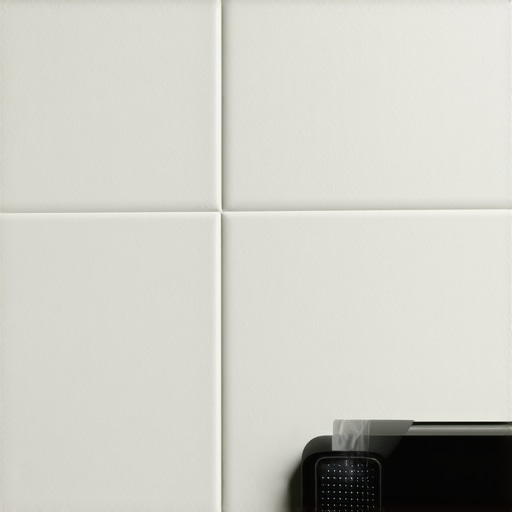
Transitioning from Traditional to Eco-Conscious Materials
Shifting focus towards environmentally friendly options, industry leaders now champion biodegradable grout, recycled tile substrates, and VOC-free sealants. These materials meet rigorous standards for sustainability without compromising performance, aligning with modern homeowners’ ecological values. For instance, plant-based grout sealants employ renewable components, achieving comparable or superior durability to conventional products. Implementing such solutions demonstrates an understanding of the broader impact of material choices, reinforcing credibility and enhancing reputation among eco-conscious clients.
Design Strategies that Enhance Longevity and Aesthetics
Innovative design concepts such as recessed grout joints, seamless tile integration, and the use of large-format tiles reduce potential failure points by minimizing grout lines exposed to stress. Additionally, employing color-matched grout and sealants simplifies maintenance and visually unifies surfaces, making minor imperfections less noticeable. These approaches exemplify a holistic understanding of both function and form, ensuring the bathroom remains pristine and resilient over decades.
To explore detailed installation techniques that maximize durability, visit the showers with a style guide for small bathrooms or check out our grout restoration secrets to maintain surface integrity.
Harnessing Nanotechnology for Water-Resistant Foundations
Recent advancements reveal that nanomaterials, such as nanosilica-infused primers and coatings, can significantly enhance the water resistance of substrate surfaces, reducing permeability and deterring mold growth. When integrated into waterproofing protocols, these smart materials facilitate a breathable yet impervious barrier, preserving the integrity of underlying structures over prolonged exposure. For professionals committed to pushing industry boundaries, adopting nanotechnology-driven solutions offers a formidable advantage in creating resilient bathroom environments that withstand the test of time.
Innovative Sealant Formulations Addressing Flexibility and Longevity
Emerging formulations leverage hybrid polymer technologies that combine the elasticity of silicones with the adhesion prowess of polyurethane-based products. These hybrid sealants exhibit exceptional flexibility, accommodating substrate movement and thermal expansion with minimal cracking risk. Additionally, their increased adhesion to diverse materials, including engineered stone and glass tile, reduces installation failures. Incorporating such flexible compounds aligns with the industry’s shift towards high-performance, sustainable solutions capable of sustaining dynamic stressors associated with bathroom fixtures and environmental fluctuations.
What are the emerging challenges in maintaining high-moisture zones using current material innovations?
This nuanced inquiry probes the ongoing hurdles professionals face as they adopt new materials. While high-performance formulations dramatically improve durability, issues such as compatibility with existing substrates, long-term weathering effects, and potential for chemical interactions require careful consideration. Moreover, the real-world performance of nanocomposites under prolonged moisture exposure demands rigorous testing beyond laboratory conditions. To address these complexities, industry leaders emphasize ongoing research collaborations, standardized testing protocols, and adaptive training programs that empower contractors to optimize installation practices effectively.
For those eager to deepen their mastery, referencing comprehensive studies such as the ASTM International’s specifications on waterproofing materials provides a rigorous foundation for informed application. Visiting industry hubs that showcase case studies of innovative remodeling projects can further contextualize these advancements within practical scenarios.
Is integrating moisture-sensing technology into waterproof membranes a game-changer in proactive maintenance?
Absolutely. Embedding smart sensors within waterproof layers converts passive barrier systems into dynamic monitoring networks capable of detecting early-stage leaks, humidity spikes, or membrane degradation. These data streams, accessible via IoT platforms, enable targeted repairs before damage manifests visibly—reducing repair costs and preventing secondary issues like mold proliferation. As sensor technology becomes more affordable and compact, widespread adoption may redefine preventative maintenance protocols in bathroom design, elevating the industry toward a new paradigm of intelligent, data-driven construction.
Harnessing nanotechnology to combat moisture-induced deterioration in bathrooms
The advent of nanomaterials, such as nanosilica-infused sealants and coatings, has ushered in a new era of moisture defense. These ultra-fine particles penetrate deep into substrates, forming invisible, breathable barriers that dramatically reduce water permeability and inhibit mold growth. This advanced approach not only enhances the durability of waterproofing layers but also facilitates moisture vapor escape, preventing trapped humidity that can compromise structural integrity over time.
How can nanotech-driven coatings extend the lifespan of bathroom fixtures and surfaces?
Expert studies reveal that nanotechnology can improve adhesion, resistance to staining, and surface hardness, supporting longer intervals between restorative interventions. For example, integrating nanosilica into grout formulations yields surfaces that are less prone to cracking and staining, maintaining aesthetic appeal over decades. Incorporating nanomaterials also enables the development of self-cleaning surfaces that resist soap scum and mineral deposits, reducing maintenance and cleaning costs for property owners.

Reimagining flexible waterproof membranes through smart material innovation
Traditional waterproof membranes often face challenges related to movement-induced cracking, especially in areas subject to thermal expansion or structural shifts. Breakthroughs in flexible, self-healing membrane technologies—comprising elastomeric polymers embedded with microcapsules of repair agents—offer solutions capable of autonomously sealing microcracks. These smart membranes proactively respond to stressors, maintaining impermeability and structural integrity without human intervention, thus dramatically reducing future repair needs.
Elevating grout performance with hybrid polymer formulations
Emerging grout technologies blend silicone and polyurethane components to produce hybrid polymers that balance elasticity with adhesion. These formulations can accommodate substrate movement caused by moisture fluctuations, temperature changes, and settling while maintaining colorfastness and crack resistance. Additionally, innovative sealants infused with nanometric fibers provide supplementary reinforcement against crack propagation, leading to a resilient tiled surface resistant to the rigors of daily use.
What role does stress simulation play in designing grout and waterproof systems for high-humidity environments?
Advanced finite element modeling and stress analysis tools enable engineers to predict potential failure zones under various moisture and thermal cycles. Employing these simulations during the design phase ensures that materials and joint configurations are optimized to withstand dynamic stresses, thereby prolonging lifespan and minimizing costly repairs. Incorporating such predictive techniques signifies a mature approach that aligns technical sophistication with practical durability.
Engage with industry-leading research from sources like the “Journal of Coatings Technology and Research,” which provides peer-reviewed studies on nanocoatings and adaptive waterproofing solutions. Embracing these innovations positions your projects at the forefront of durability and eco-conscious design, offering unparalleled value to clients seeking resilient bathroom environments. Visit our Contact Page for tailored consultations and access to cutting-edge materials that redefine bathroom resilience.
Innovative Approaches Shaping Bathroom Durability
Professionals dedicated to advancing bathroom finishes recognize that integrating cutting-edge materials with strategic installation practices results in surfaces that withstand the test of time. Embracing nanotechnology-infused coatings and flexible waterproof membranes, industry experts are redefining standards for longevity and hygiene in wet environments.
Why Smart Integration of Sensors Enhances Maintenance
Embedding moisture sensors within waterproof layers offers a proactive approach, enabling early detection of leaks and moisture buildup. Such innovations reduce repair costs and uphold structural integrity, aligning with the push toward intelligent, future-proof bathroom design.
Challenging Traditional Materials with Sustainable Choices
Eco-conscious professionals are adopting biodegradable grouts, recycled substrates, and VOC-free sealants, demonstrating that sustainability and performance can co-exist. This shift not only benefits the environment but also appeals to clients seeking durable, green solutions.
Maximizing Longevity Through Expert Material Selection
Choosing UV-resistant, mold-inhibiting tiles and self-healing grout sealants infused with nanotech ensures aesthetics are preserved while minimizing maintenance. Staying ahead with these innovations guarantees resilient bathroom surfaces that retain their appeal over decades.
Anticipating Challenges in High-Humidity Zones
Despite technological advancements, compatibility issues, long-term weathering, and chemical interactions remain concerns. Industry leaders emphasize ongoing research, standardized testing, and adaptive training to address these complexities effectively.
Resources for the Modern Bathroom Innovator
- Grout Restoration Secrets: Deep dive into maintenance regimes to extend surface lifespan.
- Expert Guide to Durable Shower Baseboards: Ensures optimal installation for longevity.
- Eco-Friendly Tile Solutions: Embrace sustainable materials without compromising quality.
Reflections on Securing Bathroom Surfaces Well Into 2026 and Beyond
The evolution of grout, tile, baseboards, and showers underscores a vital principle: blending technological innovation with strategic material choices elevates bathroom resilience. Expert practitioners understand that embracing emerging trends, such as nanotech coatings and smart moisture sensors, translates into long-lasting, maintenance-efficient designs. Engaging with high-level resources and ongoing industry insights empowers professionals to lead confidently.
For further insights or tailored guidance, connect with our specialists and explore how cutting-edge materials can redefine your projects. Visit our Contact Page today and step into the future of bathroom excellence.

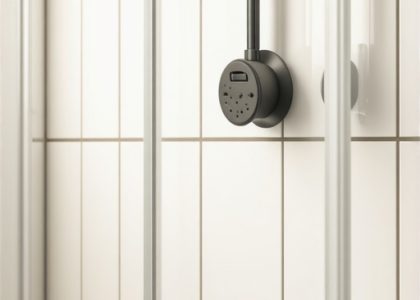
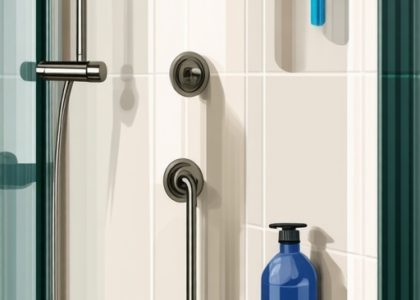
This article provides great insights into the future of bathroom finishes, especially with the emphasis on nanotechnology and smart sensors. I’ve recently been exploring the use of epoxy grout combined with flexible sealants in high-moisture areas, and the results have been impressive—less staining and cracking over time. The idea of embedding moisture sensors within waterproof membranes sounds revolutionary; it could really shift how professionals approach maintenance, making early detection more accessible and efficient. In my experience, staying ahead with these advanced materials and techniques has significantly improved project longevity and client satisfaction. I wonder, though, how these high-tech solutions perform under long-term real-world conditions compared to earlier studies? Has anyone applied these sensors or nanomaterials in larger-scale commercial projects? It would be interesting to hear how they hold up over several years and what challenges might arise in their integration.