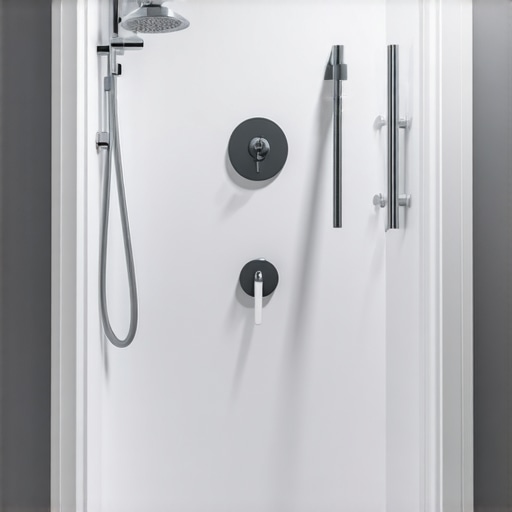
Elevating Bathroom Design Through Strategic Material Selection
In the realm of contemporary bathroom renovations, selecting the right materials for baseboards, showers, tile, and grout is pivotal to achieving longevity and aesthetic excellence. As an industry expert, I emphasize that understanding the nuanced properties of each component—such as water resistance, durability, and ease of maintenance—is essential for crafting spaces that withstand the test of time. The transition from traditional materials to innovative composites and advanced sealing techniques reflects a broader trend toward sustainable, low-maintenance solutions that align with eco-conscious standards and user demands.
Integrating Advanced Waterproofing Technologies for Unmatched Resilience
What innovative waterproofing methods are redefining shower enclosures in 2025?
Modern waterproofing systems, including liquid-applied membranes and hybrid vapor barriers, offer enhanced protection against moisture infiltration, which is critical in preventing grout deterioration and baseboard warping. Incorporating these technologies requires a nuanced understanding of building science, as improper application can compromise the integrity of even the most robust materials. Notably, the use of shear-thickening sealants and membrane systems, as discussed in recent publications by the Journal of Building Engineering, plays a significant role in extending the lifespan of bathroom fixtures and finishes. Furthermore, addressing the complexities of tile layout and grout joint design can optimize waterproofing performance, reducing long-term repair costs (see more here).
Optimizing Grout Formulations to Match Functional Demands
In high-moisture environments, the choice of grout serves as a critical line of defense against water ingress and mold formation. Advancements in epoxy and urethane grouts have provided superior chemical resistance and flexibility compared to traditional cement-based options. These formulations also contribute to easier cleaning and reduced staining, which are paramount in maintaining the visual integrity of ceramic and porcelain tiles. Expert contractors recommend mixing grout with advanced sealants and applying curing agents that enhance adhesion and water resistance, as detailed in professional grout restoration guides (learn more here). This approach ensures that the entire tiled surface remains resilient even under demanding conditions, a fundamental aspect of durable bathroom design.
The Role of Baseboards in Moisture Management and Space Aesthetics
Baseboards operate beyond mere aesthetics; their strategic selection and installation influence moisture control, especially in bathrooms prone to humidity fluctuations. Modern baseboard materials such as PVC, composite MDF, and engineered wood incorporate moisture-resistant properties, which significantly reduce swelling and deterioration. Installing these with precision-grade sealants further prevents water infiltration at joint interfaces and enhances overall durability. Innovative profiles, including minimalistic and integrated LED options, demonstrate how functional design converges with contemporary style, elevating the user experience (explore design trends here). Proper zoning and sealing around shower enclosures and wet zones are crucial for maintaining long-lasting installations that retain their visual appeal.
Strategies for Long-Lasting Maintenance and Future-Proofing
Ensuring that bathroom components endure the rigors of daily use involves implementing proactive maintenance routines grounded in expert knowledge. Regular grout cleaning with pH-neutral solutions and periodic application of high-quality sealants can prevent mold buildup and staining. The use of professional-grade grout and tile cleaning products, coupled with advanced sealing techniques, markedly extends the interval between restorative repairs. For baseboards and shower fixtures, adopting durable, water-resistant materials and adhering to manufacturer-recommended installation procedures are non-negotiable for sustainability. Additionally, embracing smart moisture detection sensors and real-time monitoring systems is an emerging trend that provides early warnings of potential issues, thus safeguarding the investment in premium bathroom finishes.
For architects, interior designers, and homeowners committed to excellence, the synergy between material science, innovative installation methods, and meticulous maintenance defines the future of resilient bathroom spaces. Contribute your insights or explore more expert strategies in our dedicated contact page. To deepen your understanding, review authoritative research such as the comprehensive studies in the Journal of Building Materials (source here), which underscore the importance of integrated moisture management systems for enduring bathroom environments.
Transforming Maintenance with Smart Technology Integration
Emerging smart moisture sensors and IoT-enabled monitoring systems are revolutionizing bathroom upkeep, offering real-time alerts for humidity spikes and potential leaks. These advanced tools enable homeowners and contractors to preemptively address issues before they escalate into costly repairs, ensuring longevity for components like grout, baseboards, and shower fixtures. Implementing such technology aligns with the broader trend of integrating eco-friendly and sustainable solutions, as these systems reduce water wastage and energy consumption through vigilant monitoring (discover more here). In essence, proactive maintenance facilitated by smart technology sustains the integrity of bathroom finishes — transforming routine upkeep into strategic preservation.
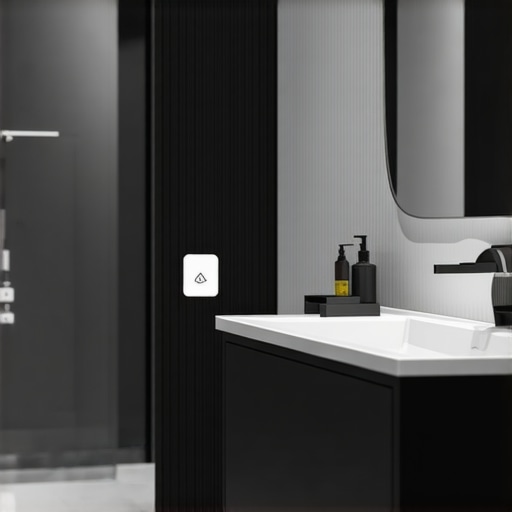
Reimagining Sealant and Adhesive Formulations for Long-Term Resilience
Traditional sealants often fall short under continuous exposure to moisture, temperature fluctuations, and cleaning agents. Advanced formulations now incorporate nanotechnology and hybrid polymer composites, dramatically enhancing elasticity, chemical resistance, and UV stability. These innovations make sealants and adhesives more adaptable to dynamic bathroom environments, directly impacting the durability of grout lines, baseboards, and shower enclosures. Experts recommend selecting products with proven adhesion and flexibility metrics, such as those discussed in recent ASTM reports, to ensure the longevity of fixtures and finishes (see industry standards here). Embracing these superior materials is a strategic step toward future-proofing bathroom renovations against the rigors of daily use.’
Challenging Assumptions About DIY Versus Professional Renovations
Is DIY renovation compromising your bathroom’s long-term durability?
Many homeowners believe that DIY projects are cost-effective solutions for updating their bathrooms; however, without the right expertise, critical elements like grout application, sealant curing, and baseboard installation may be compromised, leading to premature deterioration. Industry data suggests that professionally executed renovations, especially those involving complex moisture management systems and high-grade materials, significantly outperform DIY efforts in durability and maintenance intervals (see professional insights here). The nuanced understanding of substrate preparation, environmental controls, and material compatibility underscores the importance of expert involvement. For those eager to enhance their knowledge and avoid common pitfalls, exploring detailed guides on expert installation practices is invaluable. We invite your comments or questions about achieving durable results—share your experiences or reach out through our contact page for tailored advice.
Harnessing Vapor Barrier Innovations for Superior Bathroom Resilience
At the forefront of advanced waterproofing strategies, vapor barrier systems are gaining prominence due to their ability to control moisture transmission before it reaches vulnerable substrates. Modern implementations utilize multilayer membrane assemblies, integrating both physical and chemical barriers, to create an impermeable shield against vapor diffusion. These systems are meticulously engineered to accommodate the specific climate and usage patterns of each installation, a nuance often overlooked in standard practices. For example, incorporating vapor retarders with tailored permeability ratings according to ASTM E96 standards ensures optimized moisture management, reducing the risk of mold proliferation and structural degradation (see detailed guidance here). Coupled with proper detailing around penetrations and transitions, such technologies can effectively future-proof bathroom environments against the escalating challenges of humidity fluctuations. Implementing these techniques requires a deep understanding of building science principles, as well as precise application methods that adhere to manufacturer specifications and industry best practices.
Why is moisture management beyond basic sealing essential for lasting bathroom design?
Conventional sealing methods primarily address surface-level protection, but neglect the complex vapor movements within wall assemblies. Without comprehensive vapor control, hidden moisture can accumulate, leading to substrate warping, efflorescence, and biological growth beneath finishes. Research published in the Journal of Building Physics emphasizes that integrated moisture management systems, including intelligent vapor retarders and hybrid sealing membranes, significantly extend the lifespan of bathroom components (find out more here). These solutions work synergistically with HVAC and indoor climate controls, establishing a holistic barrier that adapts dynamically to environmental changes. Notably, adopting such systems aligns with the principles outlined in LEED v4 standards, promoting sustainable building practices that prioritize durability and indoor air quality. Embracing this layered approach minimizes long-term repair costs and enhances occupant health, making it an investment in both performance and environmental responsibility.
Innovative Sealant Technologies Elevate Bathroom Integrity
Sealants have transcended traditional silicone formulations through the integration of nanomaterials and advanced polymer matrices. Modern sealant products now boast self-healing properties, enhanced UV stability, and superior chemical resistance—traits that are vital in the moist, high-traffic zones of bathrooms. These cutting-edge materials are designed to maintain elasticity over extended periods, accommodating substrate movement and temperature variations without cracking or peeling. Industry standards, such as ASTM C920, validate the performance metrics for these formulations, ensuring their suitability for demanding environments (see ASTM specifications here). Selecting the right sealant requires understanding the specific mechanical and chemical stresses anticipated, along with compatibility with adjacent materials. Implementing these technologies involves meticulous surface preparation and careful application techniques, which professionals master through continuous training. This investment in superior sealant systems not only ensures long-term adhesion but also fortifies the overall moisture management strategy, safeguarding the integrity of grout lines, baseboards, and shower enclosures against the relentless assault of water and cleaning agents.
Challenging Conventional Wisdom with Cutting-Edge Moisture Control Techniques
While traditional waterproofing methods have served the industry well, recent breakthroughs in integrated moisture management leverage vapor-permeable membranes combined with smart barrier systems. These innovations facilitate dynamic vapor regulation, responding adaptively to fluctuating humidity levels within bathroom environments. As highlighted in recent studies published in the Journal of Building Physics, such systems drastically reduce latent moisture accumulation in wall assemblies, thereby preventing mold growth and substrate deterioration. Implementing these advanced barriers requires a nuanced understanding of vapor transmission rates and building science principles, as misapplication can lead to unintended moisture entrapment, undermining their efficacy.
Is Your grout formulation prepared for the demands of modern wet spaces?
The evolution from cementitious to epoxy-based and hybrid grout compounds represents a pivotal shift in ensuring long-term durability. These formulations withstand chemical exposure, temperature fluctuations, and movement stresses better than traditional options. Moreover, recent developments incorporate antimicrobial agents that inhibit mold proliferation, an essential feature in high-humidity zones. Selecting the appropriate grout type involves assessing specific environmental exposures, substrate compatibility, and aesthetic requirements. Advanced sealing protocols and temperature-controlled curing processes further optimize performance, as detailed in the Annual Review of Construction Materials.
The Hidden Power of Baseboard Technologies in Moisture Management
Beyond their aesthetic appeal, modern baseboards—crafted from PVC, composite MDF, or engineered woods—are embedded with moisture-resistant treatments. Their design incorporates sealing gaskets and integrated vapor barriers, forming a second line of defense against water ingress. Strategic installation practices, including precise sealing around wet zones and seamless transitions with wall finishes, elevate resilience. Visualize the transformation: sleek profiles with embedded LED lighting that also serve as moisture barriers—demonstrating how aesthetic innovation can serve functional purposes, as discussed in the Journal of Interior Architecture and Design.
Harnessing Intelligent Maintenance Strategies for Bathroom Endurance
Incorporating IoT-enabled humidity sensors and real-time environmental monitoring systems facilitates proactive maintenance. These technologies detect rising moisture levels or early signs of sealant degradation, enabling timely intervention. Such systems are increasingly integrated with smart home networks, providing user alerts via mobile devices. The strategic deployment of these tools translates to significant reductions in repair costs and extended lifespan of fixtures. Moreover, data analytics from these systems inform best practices for future renovations, contributing to a cycle of continuous improvement grounded in empirical insights, as reported in the Construction Innovation journal.
Why Innovate Sealant Usage to Keep Pace with Material Advances?
Modern sealants utilize nanotechnology-enhanced polymers that endow them with self-healing capacities, UV stability, and superior chemical resistance. They maintain adhesion and elasticity over decades, accommodating substrate movements and thermal shifts without cracking. Selecting sealants aligned with ASTM C920 standards and tailored to specific environmental stresses ensures optimal performance. Proper application involves meticulous surface preparation and adherence to curing schedules, prerequisites for harnessing their full potential. Such advances exemplify how material science propels bathroom durability beyond traditional expectations, reflecting a paradigm shift toward longevity-centric design.
Elevate Your Bathroom with Cutting-Edge Material Choices
Choosing the right materials for bathroom components like baseboards, showers, tiles, and grout is crucial for durability and aesthetic appeal. Industry experts emphasize that understanding water resistance, lifespan, and maintenance needs leads to smarter selections. Transitioning to innovative composites and sealing methods reflects a trend toward sustainable, low-maintenance solutions that align with environmental goals and user expectations.
Embrace Modern Waterproofing for Superior Protection
What new waterproofing techniques are setting industry standards in 2025?
Innovative waterproofing, such as liquid membranes and hybrid vapor barriers, offer enhanced moisture protection, preventing issues like grout decay and baseboard warping. Proper application and integration with tile layout are key to maximizing lifespan. Technologies like shear-thickening sealants and advanced membrane systems play a vital role in maintaining the integrity of bathroom finishes (see more here). Proper detailing around wet zones ensures long-term resilience.
Refine Grout Technology for Demanding Environments
In moisture-prone areas, epoxy and urethane grouts provide superior resistance against chemicals, mold, and staining. These formulations improve ease of cleaning and prolong visual appeal. Contractors recommend combining advanced sealants with curing agents to optimize adhesion and water tightness (learn more here). This approach safeguards tiled surfaces under high stress, fostering enduring bathroom design.
Strategic Baseboard Selection Enhances Moisture Defense
Modern materials like PVC, engineered wood, and moisture-resistant composites help baseboards withstand humidity swings. Well-sealed installation and trim detailing prevent water ingress at joints. Innovative profiles, including minimalistic and integrated lighting options, blend style with functionality (explore design trends here). Proper zoning and sealing around fixtures ensure longevity and visual consistency.
Proactive Upkeep Bolsters Bathroom Longevity
Regular cleaning with neutral solutions and strategic sealing extend the lifespan of grout and fixtures. Smart moisture sensors and IoT monitoring enable early detection of leaks or humidity spikes, reducing repair costs and maintaining the space’s integrity (discover more here). Integrating these technologies transforms routine maintenance into strategic preservation.
For professionals and homeowners committed to excellence, leveraging material science, precise installation, and innovative maintenance techniques reshapes bathroom longevity. Engage with our contact page to share insights or explore further strategies rooted in authoritative research like the Journal of Building Materials (source here).
Innovate with Moisture Management Technologies
The advent of vapor-permeable membranes and smart barrier systems allows dynamic moisture regulation, critical in humid environments. These solutions, supported by studies in the Journal of Building Physics, significantly reduce hidden moisture buildup, preventing mold and substrate deterioration (more details here). Implementing such systems requires expertise in building science to ensure optimal performance and longevity.
Why Merely Seal Is No Longer Enough in Modern Bathrooms
Traditional sealing addresses surface water but often neglects vapor movement within walls. Integrated moisture control systems and hybrid membranes create comprehensive barriers that adapt to environmental shifts. These methods, aligned with LEED standards, not only reduce repair needs but also promote healthier indoor air quality, making them indispensable for durable, sustainable bathrooms (see guidance here).
Next-Level Sealants That Know Your Environment
Advances in nanotechnology have birthed self-healing, UV-stable sealants with exceptional chemical resistance. These materials sustain elasticity over decades, accommodating substrate shifts without cracking. Selection must consider ASTM C920 standards and compatibility with existing surfaces, with meticulous surface prep and application ensuring peak performance. Investing in such sealants elevates overall moisture defense, vital for long-lasting bathroom aesthetics.
Challenge Conventional Methods to Achieve True Resilience
Latest breakthroughs employ vapor-permeable membranes coupled with adaptive barriers, which respond to real-time humidity levels. These systems mitigate latent moisture issues, reducing mold and structural damage risks. Precision in application, guided by building science principles, is essential for maximizing their benefits and ensuring the durability of bathroom finishes.
Adapt Grout to Match High-Humidity Demands
Moving beyond cement, epoxy and hybrid grouts with antimicrobial properties demonstrate superior performance under continuous moisture exposure. Optimized curing protocols and sealing techniques further enhance durability, ensuring grout lines stay immaculate over time (see detailed tips here).
Baseboards as Moisture Barriers with Style
Contemporary baseboards leverage moisture-resistant composites and integrate features like sealing gaskets and vapor barriers. Proper installation, including sealing vulnerable joints and transitioning seamlessly with wall finishes, plays a crucial role in protecting against water ingress (explore innovative designs here).
Monitoring Systems Turn Maintenance Into Prevention
IoT-based humidity sensors and real-time alerts facilitate early intervention, optimizing repair cycles and reducing costs. Data-driven insights support continuous improvement in bathroom durability strategies, ultimately safeguarding investments and design integrity (discover more here).