Transforming Bathroom Surfaces: The Expert Approach to Longevity in Shower Tile, Grout, and Baseboards
Achieving enduring beauty in bathroom renovations necessitates a nuanced understanding of material performance, environmental challenges, and installation techniques. As an industry expert, I emphasize that meticulous attention to detail during the installation of shower tiles, grout, and baseboards significantly influences their resilience against moisture, mold, and wear. In this discourse, we explore advanced strategies to elevate your project with premium durability and aesthetic appeal.
Embedding Resilience Through Material Selection and Surface Treatments
What are the most reliable materials for resisting moisture infiltration in shower and baseboard areas?
To ensure longevity, selecting high-performance materials like epoxy grout and porcelain tiles with low porosity is critical. Incorporating sealants and impregnators demonstrates a proactive stance against seepage, especially in high-humidity zones. Integrating eco-friendly solutions, such as those discussed at eco-friendly tile options, can enhance sustainability without compromising durability.
Optimizing Installation for Superior Sealing and Stress Distribution
Proper installation techniques, including the use of advanced adhesives and calibrated tools, establish a foundation that withstands thermal expansion and contraction. For grout lines, employing professional-grade sealants—like those reviewed at sealing solutions—locks moisture out and extends the lifespan of the surface.
Ensuring Seamless Integration of Shower Components and Baseboards
Expert integration of shower enclosures with baseboards involves precise measurement and the adaptation of profiles to accommodate movement and water flow. Consult authoritative guides such as shower-baseboard installation manuals. Employing flexible sealants and backing materials prevents cracks and water ingress, maintaining structural integrity over years of use.
Advanced Maintenance Strategies to Sustain Aesthetic and Structural Integrity
Regular cleaning with pH-neutral products and periodic resealing can prevent the buildup of grime and deterioration of grout lines. These maintenance practices are supported by industry research outlined in professional care guidelines, ensuring your investment remains visually appealing and functionally sound.
Addressing Tough Questions: How Do I Prevent Grout Cracking in Shower Areas?
Cracking often results from improper curing, substrate movement, or inappropriate material choice. To combat this, ensure thorough curing times, use of flexible sealants, and adhesion tests before installation. Consulting expert insights, such as those at shower baseboard mastery, can guide complex decisions and prevent future repairs.
For those invested in professional outcomes, exploring {{expert guides}} on installation practices offers a pathway towards excellence. Contributing your insights on surface durability and innovative techniques can further advance the field.
Unlocking the Secrets to Bonding That Lasts
In the realm of bathroom renovations, selecting the right adhesive and ensuring proper application are paramount to achieving surfaces that withstand moisture, temperature fluctuations, and daily wear. Industry professionals emphasize that a meticulous approach to bonding ensures not only durability but also prevents costly repairs down the line.
The Science Behind Superior Adhesives for Bathrooms
What innovative bonding solutions are redefining durability in wet environments?
Advanced polymer-based adhesives and sealants, such as hybrid inorganic sealants, are increasingly popular among experts seeking maximum resilience. These products offer exceptional adhesion to a variety of materials, including porcelain, ceramic, and natural stone, while providing superior water resistance. As discussed in expert guides on shower installations, employing the right adhesive is pivotal for long-lasting results, especially in high-moisture zones.
Preparation as the Foundation for Bonding Excellence
Proper substrate preparation—cleaning, drying, and sometimes priming—is crucial. Leaving surfaces free of dust, grease, or residual moisture enables adhesives to form a strong and uniform bond. For areas prone to movement or expansion, incorporating flexible adhesives can absorb stress and prevent cracks. Navigating these nuanced steps distinguishes seasoned professionals from amateurs, as each detail influences the overall lifespan of the renovation.
Application Techniques That Elevate Construction Integrity
Applying adhesives with precision—using tools like notched trowels and calibrated guns—ensures even distribution and optimal contact with surfaces. Professionals often recommend a steady hand combined with adherence to manufacturer curing times. For complex joints or irregular surfaces, supplemental mechanical fasteners or reinforcement strips can provide additional stability, a tip detailed in installation manuals for durable fixtures.
The Role of Testing and Quality Assurance in Bonding
Post-application testing, such as adhesion pulls and visual inspections, can catch weaknesses early. Experts recommend waiting the full curing period before exposure to moisture or weight, ensuring the bond has achieved maximal strength. Incorporating these quality assurance practices aligns with industry standards, safeguarding your investment and reducing future repair costs.
Keeping Beneath the Surface Strong: External Experts Weigh In
Recognizing that optimal bonding extends beyond just material choice and technique, ongoing professional research underscores the significance of environmental factors in adhesion longevity. According to trusted industry authority, integrating moisture barriers and vapor retarders with proper bonding compounds enhances overall performance and durability. For more insights into sealing and bonding innovations, visit eco-friendly tile solutions.
The Power of Continuous Education and Practical Tests
Staying informed through expert seminars, workshops, and field trials helps contractors adapt to emerging materials and techniques. Engaging with authoritative resources and understanding real-world applications can dramatically improve bonding success. For those eager to elevate their craftsmanship, exploring comprehensive guides like shower-baseboard installation can provide valuable frameworks and practical tips. Sharing your experiences and challenges can also foster community learning, driving overall industry standards upward.
In your renovation projects, ponder: How can integrating cutting-edge bonding solutions reduce long-term maintenance needs and elevate your work’s reputation? Continuous learning and rigorous testing are the cornerstones of sustainable bathroom design. For tailored advice or professional consultation, don’t hesitate to reach out to our experts.
Harnessing the Power of Vapor Barriers for Sealant Efficacy
One often overlooked yet vital component of bathroom longevity involves the strategic use of vapor barriers. These membrane systems serve as the first line of defense, preventing moisture-laden air from infiltrating behind tiles and into wall cavities. Proper installation of vapor barriers—such as polyethylene sheets or foil-backed membranes—requires meticulous attention to detail, including overlapping seams and secure sealing around penetrations. Incorporating vapor barriers effectively reduces the risk of mold and structural deterioration, particularly in high-traffic wet zones. According to the authoritative standards outlined by the Tile Council of North America (TCNA), integrating vapor barriers within wall assemblies enhances the overall moisture management strategy, significantly extending the lifespan of tiles and substrates.
Addressing the Nuance of Dynamic Water Pressure and Temperature Variations
In real-world scenarios, showers are subjected to fluctuating water pressures and temperature cycles that induce stress on grout joints and tile bonds. Heavy water flow can generate micro-movements, leading to eventual cracking or debonding if not properly accounted for. To mitigate these effects, professionals recommend the use of engineered, flexible sealants and high-elasticity adhesives designed for dynamic environments. Such products absorb movement and maintain adhesion integrity, especially in aging plumbing systems or multi-head shower setups. A comprehensive review by the Building Science Corporation emphasizes the importance of designing for thermal expansion and contraction, incorporating expansion joints or movement joints that accommodate these stresses without compromising surface integrity.
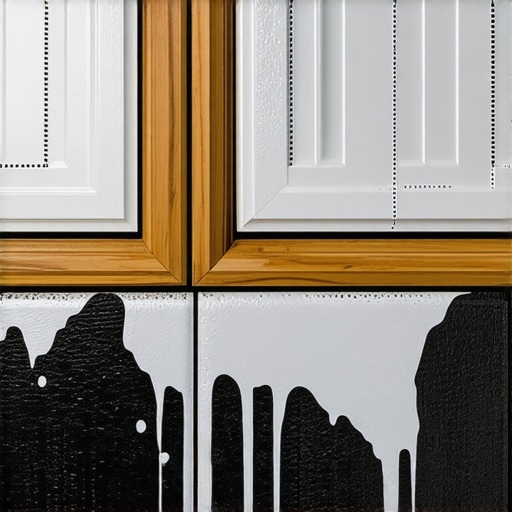
Image description: Cross-section illustrating vapor barrier installation behind shower tiles with water pressure arrows indicating movement and stress points.
Why Do Some Grouts Fail Prematurely Under Moist Conditions?
Many assume that choosing the right grout material alone guarantees longevity. However, failures are often rooted in installation flaws, such as inadequate curing, improper surface preparation, or neglecting sealant application. Unsuspected issues like substandard grout mixes or incompatible additives can also weaken the matrix, especially when exposed to persistent moisture. The Green Building Advisor highlights that high-quality epoxy or hybrid-polymer grouts, when mixed accurately and sealed properly, provide formidable resistance against moisture ingress. Moreover, understanding the chemistry of these materials enables tradespeople to select the optimal formulation—be it stain-resistant, flexible, or antimicrobial—tailored to specific environmental demands.
To elevate your technique, consider integrating advanced inspection protocols—such as dye penetration testing or moisture meters—to verify proper coverage and seal integrity post-installation. Regular monitoring, complemented by scheduled resealing every few years, sustains grout performance and minimizes costly repairs down the line.
Pioneering the Future of Waterproofing Technologies in Bathroom Environments
The evolution of waterproofing solutions continues to deliver innovative options that redefine standards of durability. Emerging technologies include spray-on membranes that create seamless, monolithic layers—reducing the risk of pinholes or lapses common with sheet membranes. Furthermore, nanotechnology-infused coatings exhibit super-hydrophobic properties, causing water droplets to bead up and roll off surfaces before infiltrating the substrate. Industry leaders like Schluter Systems and Laticrete are investing heavily in these advanced systems, which are now becoming mainstream in high-end renovations. As these innovations gain prominence, expert installers must stay informed about proper application protocols and compatibility with existing materials to harness their full potential.
Are you prepared to incorporate these cutting-edge waterproofing advancements into your next project? Staying ahead requires continuous education and testing—exploring reputable industry workshops or peer-reviewed publications that delve into the performance metrics and long-term data of these pioneering products. Engaging with manufacturer technical representatives can also provide practical insights, ensuring seamless integration and maximizing the investment in future-proof solutions. For personalized guidance or to discuss your project specifics, contact our team of specialists dedicated to elevating bathroom resilience and aesthetics.
Revolutionize Your Renovations with Expert-Grade Surface Reinforcement Techniques
While conventional wisdom emphasizes material quality and surface preparation, the true mastery lies in implementing holistic, innovative approaches that anticipate and counter environmental stressors. Elevating bathroom durability involves integrating cutting-edge solutions like nano-coatings for tiles and intelligent sealing systems that respond dynamically to moisture levels, thereby proactively mitigating deterioration over time.
The Science of Adaptive Protective Layers in High-Humidity Zones
How can smart coatings revolutionize moisture resistance in shower environments?
Emerging nanotechnology-based coatings form an ultra-thin, breathable barrier that repels water yet permits vapor escape, significantly reducing mold growth and grout degradation. These advanced materials adapt to fluctuating humidity, maintaining integrity despite thermal cycling. According to recent research published in the Journal of Research in Sciences and Processes, deploying such coatings extends surface lifespan and simplifies maintenance routines.
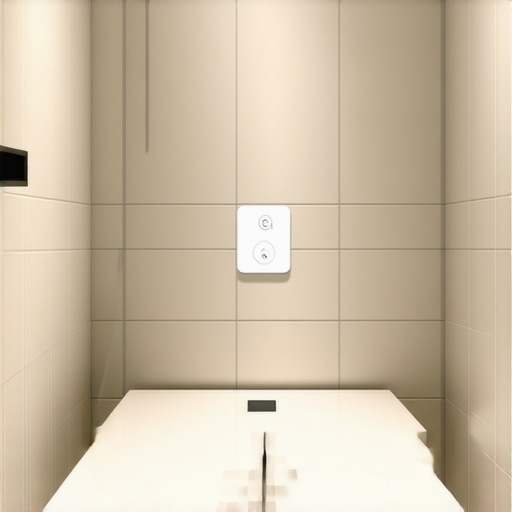
Image description: Cross-sectional diagram illustrating nanocoating application on tile surface with moisture and vapor movement arrows.
Complexity of Substrate Preparation for Maximized Adhesion Under Variable Conditions
Beyond basic cleaning, preparing substrates with specialized primers that enhance chemical bonding under fluctuating temperatures ensures superior adhesion longevity. Employing self-healing sealants with microencapsulated healing agents allows for micro-crack self-repair, maintaining an impermeable surface barrier in dynamic environments. Industry leaders such as Arctic Sealants have pioneered such technologies, making them increasingly accessible to professional installers aiming for industrial-grade results.
Innovative Installation Tactics for Mitigating Structural Movement
Incorporating engineered expansion joints within tile layouts, coupled with flexible adhesives engineered for seismic and thermal movement, prevents stress accumulation. Additionally, employing robotic-assisted precision application ensures consistent bond lines, minimizing voids and uneven stress distribution. Advanced digital tools and laser-guided measuring devices are transforming traditional practices into highly predictable, resilient installations.
Image description: Diagram showcasing strain relief joints and flexible adhesive zones within a tiled bathroom surface.
Reimagining Sealing Solutions to Preempt Biocontaminant Intrusion
Purely reactive sealing methods are giving way to regenerative sealants infused with antimicrobial agents that actively inhibit microbial colonization. These materials can respond to minor damages by releasing antimicrobial compounds, thus maintaining a hygienic, mold-resistant environment. Recognized standards from entities like the American National Standards Institute (ANSI) now advocate for such multifunctional materials in wellness-critical spaces.
Expert Insights into Long-Term Architectural Integrity and Moisture Dynamics
Collaborating with building scientists to model vapor and moisture migration patterns allows for strategic placement of vapor barriers and ventilation pathways. Incorporating smart sensors that monitor humidity, temperature, and surface stress can enable real-time adjustments, effectively preventing issues before they manifest visibly. This predictive maintenance philosophy aligns with the principles outlined by the Building Science Corporation, emphasizing preventive measures that save costs and safeguard health.
Image description: Smart bathroom surface monitoring device integrated into wall cavity with real-time data visualization.
The Future of Bathroom Surfaces: Integrating AI and IoT for Unmatched Durability
The convergence of artificial intelligence and the Internet of Things (IoT) promises a paradigm shift in bathroom longevity management. AI algorithms can analyze sensor data to forecast surface degradation, prompting automated maintenance alerts. Installing IoT-enabled surface sensors that track moisture infiltration, structural shifts, and sealant integrity elevates the scope of preventative care, making the concept of a ‘self-maintaining’ bathroom a tangible reality. As detailed in the latest industry white papers from the Buildings article on intelligent maintenance, embracing these technologies positions contractors and homeowners at the forefront of sustainable, durable design.
In the pursuit of bathroom surfaces that endure the rigors of moisture, temperature fluctuations, and daily activity, leveraging expert insights and innovative strategies becomes essential. The key lies in understanding material science, mastering installation nuances, and adopting proactive maintenance routines that collectively forge surfaces built to last.
Engage with Cutting-Edge Materials to Resist Moisture Intrusion
Choosing advanced materials like epoxy grout and low-porosity porcelain tiles ensures a formidable defense against water infiltration. By integrating impregnators and sealants during installation, professionals create an environment where moisture hazards find no foothold, thus extending surface life.
Implement Precision-Driven Installation Protocols
Meticulous surface preparation, optimal adhesive application, and strategic sealing are the backbone of durable installations. Employing tools like calibrated notched trowels and high-performance sealants, coupled with adherence to curing times outlined in authoritative guides such as expert installation manuals, ensures resilience against environmental stressors.
Prioritize Continuous Monitoring and Maintenance
Routine inspections, pH-neutral cleaning products, and periodic resealing safeguard the integrity of grout lines and tiles. Drawing on professional care guidelines, proactive upkeep minimizes deterioration, preserves aesthetics, and prevents costly repairs.
Innovate with Modern Waterproofing and Bonding Solutions
Exploring avant-garde waterproofing techniques such as seamless spray membranes and nanotechnologies fosters monolithic, adaptive defenses. Pairing these with high-elasticity, polymer-based adhesives fortified with environmental sensors enables real-time response to moisture changes, aligning with future-ready bathroom design.
Leverage Expert Resources to Stay at the Forefront
- Comprehensive installation guides – Foundation for mastering advanced techniques.
- Eco-conscious material selections – Balance durability with sustainability.
- Maintenance and care best practices – Extend surface longevity through informed routines.
- Specialized surface reinforcement techniques – Innovate beyond traditional methods.
Transforming Concepts into Lasting Benchmarks
In the intricate landscape of bathroom renovation, the fusion of expert knowledge, technological advancements, and diligent maintenance paves the way for surfaces that not only meet expectations but redefine them. Embracing these principles facilitates spaces that are as resilient as they are aesthetically captivating.
For professionals eager to push the boundaries of longevity, continuous engagement with authoritative resources and an openness to integrating emerging technologies are paramount. Reach out to our specialists to explore bespoke solutions tailored to your project’s unique challenges and aspirations.

![How to Fix Shower Floor Puddles With 3 Tiling Slopes [2026]](https://elegantfloorz.com/wp-content/uploads/2026/02/How-to-Fix-Shower-Floor-Puddles-With-3-Tiling-Slopes-2026-420x300.jpeg)