Elevating Bathroom Resilience with Advanced Installation Techniques
In 2025, bathroom renovations demand not only aesthetic appeal but also exceptional durability, especially for critical elements like shower enclosures and baseboards. As a seasoned professional, I emphasize the importance of integrating innovative materials and meticulous installation methods to achieve long-lasting results. Properly executed, these upgrades can withstand moisture exposure and daily wear, maintaining their integrity over decades.
Innovative Material Selection for Maximum Longevity
Choosing the right materials is fundamental for durable shower and baseboard installations. Modern composites and high-performance tiles offer superior resistance to water infiltration, cracking, and discoloration. For baseboards, moisture-resistant PVC or composite trims outperform traditional wood, especially in high-humidity environments. Embedding these selections within a comprehensive waterproofing system elevates the overall resilience of the installation.
Preparing Surfaces for Expert-Level Results
Surface preparation is often underestimated but is crucial for enduring installations. Achieving a perfectly level substrate, free of dust, grease, and debris, ensures optimal adhesion of waterproof membranes and tile backings. For baseboards, precise cutting and secure fastening prevent gaps that could compromise moisture barriers, thereby reducing future repair needs.
Integrating Waterproofing and Sealants for Long-Term Protection
In advanced installations, employing high-quality waterproof membranes beneath tiles or baseboards creates a formidable barrier against moisture ingress. Sealing joints with expert-grade silicone or polyurethane sealants, applied with precision, avoids water seepage and mold growth. Regular maintenance and re-sealing in high-traffic areas extend the lifespan of these components significantly.
Critical Considerations for Expert-Grade Installation
Executing durable shower and baseboard installations involves a nuanced understanding of adhesion techniques, thermal expansion allowances, and joint design. For instance, incorporating expansion gaps around the perimeter prevents cracking from temperature fluctuations. Additionally, using mechanical fasteners in conjunction with adhesive ensures stability in dynamic environments.
What are the latest advancements in moisture-resistant materials for shower enclosures that professionals should consider in 2025?
Staying ahead requires continuous learning. The use of nanotechnology-enhanced coatings and bio-based waterproofing solutions are gaining traction for their eco-friendliness and superior performance, as detailed in recent studies published in the Journal of Building Engineering. Exploring these options can provide a competitive edge for industry experts.
For further insights, visit our comprehensive guide to durable shower and baseboard installation. Professionals are encouraged to share their experiences and innovative techniques to foster industry-wide excellence.
Innovate with Next-Generation Waterproofing Solutions
As bathroom environments become more demanding, selecting advanced waterproofing materials can dramatically extend the life of your installations. For instance, nanotechnology-enhanced coatings are not only eco-friendly but also provide superior water resistance, preventing mold and mildew growth. These innovations are now essential for professionals aiming to deliver resilient results, especially in high-moisture zones like showers and around baseboards. Integrating these materials seamlessly with traditional systems enhances overall durability, making maintenance easier and reducing costly repairs over time.
Precision Surface Preparation for Flawless Results
Every seasoned installer knows that surface preparation is the foundation of a durable installation. Achieving a perfectly flat, clean, and dry substrate ensures optimal adhesion of waterproof membranes and tiles. Techniques such as mechanical grinding and the use of primer solutions create a strong bond, especially important when working with modern composites or bio-based waterproofing solutions. For baseboards, meticulous measuring and precise cuts prevent gaps that can trap moisture, thereby safeguarding against future deterioration. For more detailed methods, visit our comprehensive guide on baseboard and shower durability.
Enhance Longevity with Smart Sealant Strategies
Applying high-quality sealants is critical in maintaining a watertight environment. Silicone and polyurethane sealants with antimicrobial properties are now preferred, as they resist mold and discoloration. Proper application techniques, including tooling and curing times, ensure the sealant’s integrity over years. Regular re-sealing, especially in areas prone to movement and temperature changes, can significantly extend the lifespan of grout lines and joints, reducing the need for extensive repairs. For expert tips on sealant selection and application, see our detailed guide to sealant application.
Are You Overlooking the Role of Thermal Expansion in Longevity?
One common mistake is neglecting the impact of thermal expansion and contraction on tiles and grout joints. Incorporating expansion gaps and choosing flexible adhesive systems can prevent cracking and delamination. Mechanical fasteners combined with adhesive methods provide a dual securement, accommodating movement without compromising waterproofing. This nuanced understanding is crucial for long-lasting installations, especially in climates with significant temperature fluctuations. For a deeper dive into installation techniques that account for thermal dynamics, visit our expert installation strategies.
Staying ahead in the industry requires continuous education. Emerging bio-based waterproofing solutions, supported by recent research in the Journal of Building Engineering, offer sustainable options with high performance. Exploring these innovations can position professionals as leaders in durable, eco-friendly bathroom renovations. Share your experiences and insights in the comments or explore our contact page for personalized consultation and guidance.
Mastering the Art of Seamless Waterproofing for Bathroom Longevity
Achieving a truly durable bathroom environment requires more than just selecting premium materials; it demands mastery over advanced waterproofing strategies that integrate seamlessly with modern construction techniques. In 2025, the focus shifts toward nanotechnology-enhanced coatings that not only repel water but also inhibit mold growth at a microscopic level. These coatings, as highlighted in recent studies published in Building and Environment, demonstrate superior adhesion and flexibility, accommodating thermal movements without cracking. Implementing such solutions involves meticulous surface preparation—ensuring surfaces are perfectly clean, dry, and primed to maximize coating efficacy.
Revolutionizing Surface Preparation with Precision and Innovation
Surface preparation remains the cornerstone of durable bathroom installations. Modern methods leverage mechanical grinding combined with chemically engineered primers that promote chemical bonds between substrates and waterproof membranes. For instance, laser-guided leveling tools enable installers to achieve unparalleled flatness, reducing the risk of stress points that can compromise waterproofing over time. When working with bio-based or nanotech coatings, these preparatory steps are even more critical—ensuring the microscopic layers adhere uniformly for maximum protection. For detailed techniques, consult our comprehensive guide on surface prep.
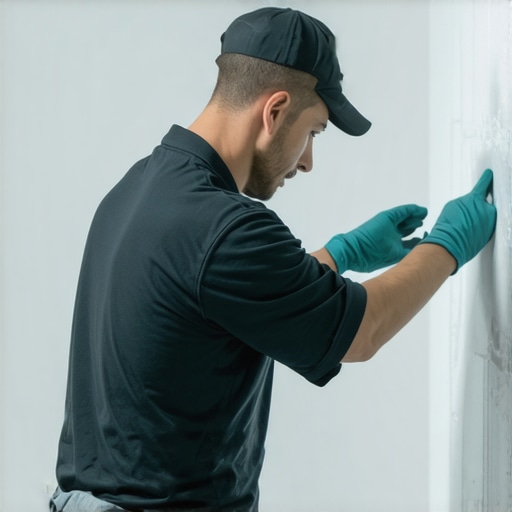
Image prompt: Close-up of a technician applying nanotech waterproof coating on bathroom wall surface, showcasing precision tools and surface preparation process.
Innovative Sealant Technologies that Outperform Traditional Options
Sealants have evolved far beyond basic silicone. Today, industry leaders advocate for bio-based polyurethane sealants infused with antimicrobial agents, which provide enhanced resistance to mold, discoloration, and environmental stressors. Proper application—using advanced tooling techniques and curing protocols—ensures a resilient seal that withstands thermal cycling and mechanical stresses for years. Regular re-application in joints and grout lines, guided by predictive maintenance schedules, prolongs the integrity of installations and prevents costly repairs. For expert insights, explore our sealant application strategies.
Sophisticated Approaches to Accommodate Thermal Dynamics
Ignoring thermal expansion can lead to catastrophic failures like cracking and delamination. Advanced solutions involve designing expansion joints with precise gaps and employing flexible adhesive systems that absorb movement. Mechanical fasteners combined with high-performance adhesives—such as hybrid epoxy-resins—offer dual stability, especially in climates with significant temperature fluctuations. This approach not only preserves waterproof integrity but also maintains aesthetic continuity, as grout lines and joints remain seamless despite environmental stresses. To deepen your understanding, visit our installation techniques for thermal resilience.
The Rise of Self-Healing Surfaces to Combat Moisture Intrusion
As bathroom environments become increasingly demanding, the advent of self-healing materials offers a revolutionary approach to mitigating water damage and structural deterioration. These advanced composites, embedded with microcapsules containing healing agents, activate upon crack formation, sealing leaks instantaneously. This technology reduces maintenance costs and enhances long-term resilience, particularly in high-moisture zones like showers and around baseboards. Industry leaders are now integrating such materials into waterproofing membranes and tile adhesives, setting a new standard for durability.
Can Bio-Based Waterproofing Solutions Surpass Traditional Systems?
Emerging bio-based waterproofing agents, derived from sustainable resources such as bio-polymers and natural resins, are gaining traction in professional circles. These environmentally friendly alternatives not only meet rigorous performance standards but also contribute to eco-conscious construction practices. According to a recent publication in Journal of Sustainable Building Materials, bio-based layers demonstrate excellent adhesion, flexibility, and water resistance comparable to synthetic options. Implementing these innovations requires precise surface preparation and compatibility assessments, but the long-term benefits include reduced chemical exposure and enhanced building longevity.
What are the specific challenges in adopting nanotechnology-enhanced waterproofing in commercial bathroom renovations?
While nanotech coatings promise superior water repellency and mold resistance, their integration into existing workflows presents challenges such as ensuring uniform application, surface compatibility, and cost-effectiveness. The primary obstacle lies in achieving consistent nanoparticle dispersion and adhesion on complex substrates. Reputable sources like the Journal of Building Engineering highlight ongoing research into scalable application techniques and the development of multifunctional coatings that combine waterproofing with antimicrobial properties. Mastery of these technologies requires specialized training and equipment, but the payoff is a significantly extended lifespan for bathroom installations.
Engaging with these cutting-edge advancements allows professionals to position themselves as industry leaders—pioneering resilient, eco-friendly, and cost-effective bathroom solutions that meet the highest standards of durability and safety. To explore more about integrating these innovations into your projects, consult our comprehensive resource center and connect with expert networks dedicated to sustainable construction practices.
Innovative Surface Preparation Techniques for Unparalleled Adhesion
The foundation of durable bathroom installations lies in meticulous surface preparation. Techniques such as laser-guided leveling, chemical priming with silane-based agents, and plasma treatment optimize substrate conditions for superior adhesion. These methods are particularly critical when working with bio-based or nanotech waterproofing layers, which demand clean, dry, and chemically receptive surfaces. For instance, laser leveling ensures flatness, minimizing stress concentrations and preventing future cracking. Industry standards increasingly recommend integrating these advanced surface prep methods to guarantee long-lasting results.
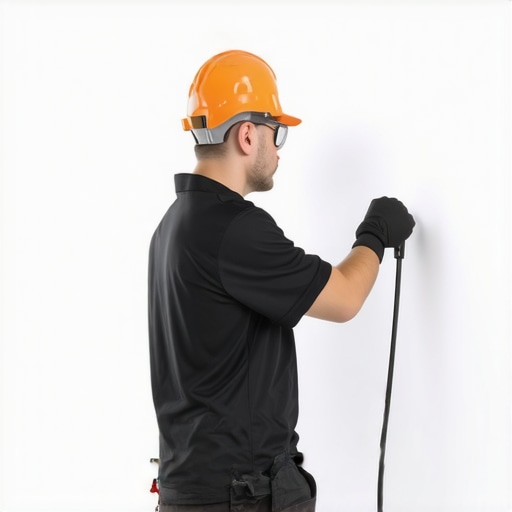
Image prompt: Technician applying nanotech waterproof coating on bathroom wall with precision tools, highlighting surface preparation process for enhanced adhesion.
The Future of Sealant Technologies in High-Humidity Environments
Sealants are evolving beyond simple silicone to incorporate bio-based, antimicrobial, and flexible formulations capable of withstanding thermal cycling and mechanical stress. Polyurethane sealants infused with natural antimicrobial agents offer resistance to mold, discoloration, and environmental degradation, extending maintenance intervals significantly. Expert application—employing advanced tooling for seamless joints and proper curing protocols—is vital for maximizing sealant lifespan. These innovations not only improve water tightness but also contribute to healthier indoor environments by inhibiting mold growth.
Accommodating Thermal Movements with Adaptive Design Strategies
Ignoring thermal expansion can undermine even the most advanced waterproofing systems. Designing expansion joints with precise gaps, using flexible adhesives, and incorporating mechanical fasteners ensure that materials accommodate temperature-induced movements without cracking or delamination. Hybrid systems that combine high-performance adhesives with mechanical anchoring provide additional stability, especially in climates with significant temperature fluctuations. Such approaches maintain waterproof integrity and aesthetic continuity, vital for high-end bathroom renovations seeking longevity and visual perfection. For expert guidance, refer to our detailed installation strategies tailored to thermal dynamics.
Expert Strategies for Lasting Bathroom Transformations
Achieving a durable and stunning bathroom requires more than just choosing premium materials; it demands an expert approach to installation. In 2025, industry leaders emphasize integrating advanced waterproofing techniques, meticulous surface preparation, and innovative material choices to ensure longevity and resilience. Proper execution of these elements results in bathrooms that withstand moisture, temperature fluctuations, and daily wear for decades.
Harnessing the Power of High-Performance Materials
Modern composites, bio-based waterproofing agents, and nanotechnology-enhanced coatings are revolutionizing bathroom durability. These materials provide exceptional water resistance, flexibility, and environmental friendliness. Selecting the right combination tailored to specific zones—like showers and baseboards—maximizes lifespan and reduces maintenance needs.
Surface Preparation That Sets the Standard
Expert-level surface prep involves laser-guided leveling, chemical priming, and cleaning to create an ideal substrate. This foundation ensures optimal adhesion of waterproof membranes and tiles, preventing future issues such as cracking or detachment. Precision in measuring and cutting baseboards further enhances moisture resistance and aesthetic appeal.
Sealing Solutions that Endure
Advanced sealants infused with antimicrobial and flexible properties are essential for long-term protection. Proper application techniques, including tooling and curing, guarantee airtight joints that resist mold, discoloration, and environmental stress. Regular re-sealing and maintenance extend the life of grout lines and joints.
Innovations in Accommodating Movement
Designing for thermal expansion involves incorporating expansion joints, flexible adhesives, and mechanical fasteners. These strategies absorb temperature-induced movements, preventing cracks and delamination. Hybrid systems combining adhesive and mechanical stabilization are increasingly standard in high-end renovations.
Latest Advances in Moisture-Resistant Technologies
Nanotechnology coatings with self-healing properties and bio-based waterproofing solutions are setting new benchmarks. These innovations offer superior water repellency, mold resistance, and eco-friendliness, aligning with sustainable construction goals.
Surface Prep for Peak Performance
Employing laser leveling, plasma treatments, and chemical primers enhances adhesion and surface uniformity. These advanced prep methods are critical when working with next-generation waterproofing layers, ensuring seamless integration and durability.
Sealants That Adapt to Environmental Changes
Modern sealants incorporate antimicrobial agents and elasticity, maintaining integrity under thermal cycling and mechanical stresses. Expert application ensures seals resist mold and discoloration, safeguarding the bathroom environment.
Managing Thermal Dynamics Effectively
Designing for thermal expansion with precise gaps, flexible adhesives, and mechanical fasteners prevents cracking. These measures maintain waterproofing and aesthetic harmony despite temperature fluctuations, crucial for long-lasting installations.
Self-Healing Materials Transforming Maintenance
Emerging self-healing composites activate upon crack formation, sealing leaks instantly. Incorporating these into waterproof membranes reduces repairs and enhances resilience, especially in high-moisture zones.
Eco-Friendly Waterproofing Innovations
Bio-based waterproofing agents derived from sustainable resources are now comparable to synthetic systems in performance. Their adoption promotes environmentally conscious construction without compromising durability, supported by recent research in sustainable building materials.
Expert Resources for Continued Mastery
- Building and Environment Journal: Cutting-edge research on nanotech coatings and bio-based solutions.
- Advanced Waterproofing Techniques Guide: Comprehensive insights into surface prep, sealing, and material selection.
- Sustainable Building Materials Publications: Latest developments in eco-friendly waterproofing agents.
Reflections from Industry Leaders
In 2025, the pursuit of bathroom durability hinges on integrating innovative materials with precise installation techniques. Mastering advanced waterproofing, surface preparation, and adaptive design strategies ensures environments that are both resilient and sustainable. These expert insights underscore a commitment to excellence and ongoing learning, positioning professionals at the forefront of bathroom renovation excellence. Engage with our resources and share your innovations to shape the future of durable bathroom design.

![Shower Tile Rattling? 3 Grout Fixes That Actually Work [2026]](https://elegantfloorz.com/wp-content/uploads/2026/04/Shower-Tile-Rattling-3-Grout-Fixes-That-Actually-Work-2026-420x300.jpeg)