
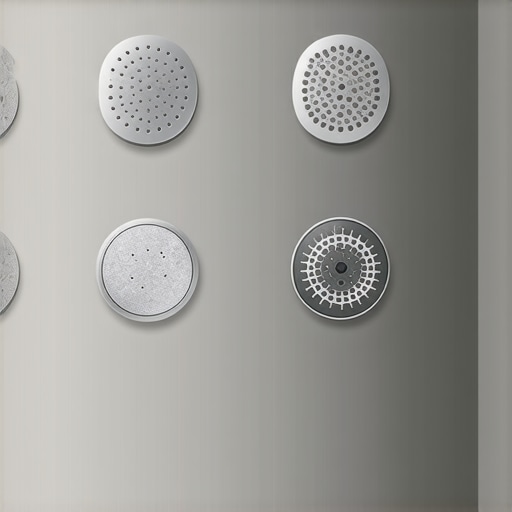
The subfloor secret that dictates your shower success
Most guys skip the leveling compound because they think the underlayment will hide the dip. It won’t. I spent three days grinding concrete on a job last month just so the floor wouldn’t click like a castanet, and that same obsessive attention to the substrate is what separates a shower that drains from a shower that rots. People walk into a showroom and look at the finish of a drain cover like they are picking out a piece of jewelry, but they forget that the drain is a mechanical assembly. It is the interface between your expensive tile and the waste lines. If the subfloor is not sloped with a precision that would make a machinist blush, that fancy cover is just a lid on a swamp. I have seen fifteen thousand dollar wide-plank walnut floors cupping because of moisture migration from a poorly planned bathroom next door. It all starts at the drain. The drain is the low point of your entire floor world, and if you treat it like an afterthought, the physics of water will punish you. I have been on my knees with moisture meters for twenty-five years, and I can tell you that the cover you choose determines how you cut your tile, how you slope your mud bed, and whether your grout will stay white or turn into a science experiment. You need to understand the GPM (gallons per minute) flow rates and the chemical resistance of 304-grade stainless steel before you even think about the color.
The mechanical soul of your shower drain
Shower drain covers are the functional filters that prevent debris from entering the DWV (drain, waste, and vent) system while managing the hydrostatic pressure of the water column. Choosing the right style involves calculating the flow capacity of your shower head and matching the grate aperture to that volume. If you have a high-output rain head, a standard point drain might cause ponding. Most people do not realize that a standard two-inch pipe can only handle about twenty-six gallons per minute under ideal conditions, and the grate itself acts as a restrictor. When we talk about showers, we are talking about fluid dynamics. The grate design must have enough open area to prevent air-binding, which is when air trapped in the pipe prevents water from entering. This is the structural reality of your bathroom. You can find more about showers that wow modern designs for 2025 if you want the visual side, but here we talk about the metal and the mud.
“A floor is only as good as the subfloor beneath it; deflection is the enemy of every joint.” – Master Flooring Axiom
The engineering behind the square versus the round
Square shower drains have become the industry standard for tile installations because they eliminate the need for difficult circular cuts in hard porcelain or natural stone. A square grate allows the installer to use straight-line cuts, which preserves the structural integrity of the tile and ensures a tighter fit against the drain body. This is not just about looks. It is about the grout lines. When you try to cut a circle in a twelve by twenty-four inch porcelain plank, you create weak points where the tile is prone to cracking under the weight of a person. A square drain fits into the grid of the floor. It allows for a more consistent slope in the mortar bed. When I am grinding concrete or setting a pan, I want every line to be predictable. A square drain offers that predictability. If you are struggling with old tile, you might want to look at how to refresh grout without replacing it before you commit to a full tear-out.
Linear drains and the myth of the single slope
Linear shower drains represent a massive shift in how we architect the wet room floor by allowing for a single-plane slope toward one wall. This removes the necessity of the four-way envelope cut, which is the traditional method where tile is cut into triangles to accommodate a center drain. The physics here are simple. A single slope is easier to waterproof and less likely to have low spots where water can sit and cultivate bacteria. However, linear drains require a deep understanding of the subfloor. If your joists are not perfectly level, the long trough of a linear drain will reveal every flaw in your framing. I have seen guys try to install these in old houses where the floor drops two inches across the room, and it is a disaster. You have to build up the floor or grind down the high spots. The linear drain is the king of the zero-entry shower, but it demands respect. For those looking for more showers with a style trendy ideas for small bathrooms, the linear drain is a game changer for making a small space feel massive.
| Drain Type | Flow Rate (GPM) | Cut Complexity | Best Use Case |
|---|---|---|---|
| Point Drain (Round) | 8-10 | High | Traditional mud beds |
| Point Drain (Square) | 10-12 | Low | Modern porcelain tile |
| Linear Drain | 15-20+ | Minimal | Large format tile / Wet rooms |
| Tile-In Hidden Drain | 7-9 | Expert | Ultra-minimalist designs |
Material physics of finish and friction
The chemical composition of your drain cover is the only thing standing between you and a rusted-out mess in three years. You want 304 or 316-grade stainless steel. Many big-box retailers sell zinc alloys or plated plastics that look like brushed nickel but will pit and peel once they are exposed to the chlorides in your tap water and the acids in your shampoo. PVD (Physical Vapor Deposition) finishes are the only way to go if you want a color like gold or matte black. This process bonds the finish at a molecular level, making it nearly as hard as the steel itself. When you are looking at the baseboards in a bathroom, you see how moisture affects everything. If you want to see how the rest of the room should look, check out chic baseboard designs that transform rooms in 2025. The drain needs to match that level of quality.
“The transition between the drain and the waterproofing membrane is the most common point of failure in modern wet rooms.” – TCNA Tech Manual
The checklist for a failsafe drain installation
- Verify the GPM of your shower valve matches the drain capacity.
- Ensure the bonding flange is compatible with your waterproofing membrane (liquid vs sheet).
- Check for a hair strainer that is accessible without specialized tools.
- Confirm the grate thickness can handle the static load of a person.
- Test the weep holes in the drain body to ensure they are not clogged by mortar.
- Set the grate height to be 1/16th of an inch below the tile surface to prevent water damming.
Maintenance and the reality of hair clogs
A drain is a collection point for everything you wash off your body, which means the cover must be easy to remove. I hate covers that require four tiny screws to get into the trap. You will lose those screws down the pipe within a year. Look for friction-fit or tool-free removal systems. If you don’t clean the hair out of the assembly, the water will back up and put pressure on your grout joints. Even the best grout is not meant to be submerged indefinitely. If your floor starts looking dingy, you should read up on tile cleaning tips for a sparkling bathroom in 2025 to keep things fresh. Proper maintenance of the drain prevents the surrounding tile from staying saturated, which is the leading cause of efflorescence and mold. We are also seeing a rise in eco-friendly tile solutions for sustainable homes in 2025, which often use recycled glass or specialized cements that are even more sensitive to standing water.
Why your subfloor is lying to you
Every subfloor looks flat until you put a ten-foot straight edge on it. In the world of flooring, we deal with tolerances of an eighth of an inch over ten feet. When you are installing a shower, those tolerances get even tighter. If your subfloor has any deflection, the drain cover will eventually sit proud of the tile or sink below it. This creates a trip hazard and a water trap. I have spent decades fixing the mistakes of installers who thought they could just “eyeball” the slope. You can’t. You need a level and a plan. If you are doing a full renovation, consider how the floor transitions to the rest of the house and look at baseboards makeover ideas to elevate your space to ensure the whole project looks cohesive. The drain is the center of the universe for that room. Treat it with the engineering respect it deserves. If you have questions about specific installations, you can always contact us for expert advice. Do not let your bathroom become a cautionary tale of bad drainage and poor material choice. Stick to the standards, buy quality steel, and always, always check your slope.