
The invisible weight of mineral deposits
To clean soap scum off textured stone tiles you must use a pH-neutral stone soap or a specialized alkaline cleaner designed to break down the fatty acids of soap without etching the calcium-based minerals in the stone. Textured stone provides a mechanical tooth that traps calcium stearate, requiring a combination of chemical dwell time and soft-bristled agitation to lift the film from the microscopic pits of the surface. Most homeowners ruin their showers with vinegar or lemon juice, which are acidic and chemically dissolve the stone lattice itself. If you want a floor or wall that lasts, you have to understand the chemistry of the bond between the grime and the substrate.
I spent three days honing a slate floor last month because the previous contractor used a muriatic acid wash that ate the top three microns of the finish. People think stone is tough. It is not. It is a thirsty, chemical sponge. I have seen fifteen thousand dollar marble installations turned into chalky, white messes because someone used a bathroom cleaner meant for porcelain on a natural calcite surface. You cannot treat travertine like it is a plastic tub. When I walk into a bathroom and smell that sharp, vinegary sting, I know I am looking at a restoration job, not a cleaning job. The industry is full of bad advice that treats stone as a cosmetic choice, but the physics of porosity tell a different story. If you do not seal the stone correctly and clean it with the right surfactant, the soap scum becomes part of the stone itself.
The chemical bond that ruins your morning
Soap scum is not just dirt but a complex chemical compound called calcium stearate that forms when the fatty acids in soap react with the minerals in hard water. In a shower environment, this waxy substance finds its way into the deep textures of slate, tumbled marble, or split-face travertine. Once it cools and hardens, it creates a hydrophobic barrier that resists water. You need a cleaner that can emulsify these fats. Natural stone is often composed of calcium carbonate, which reacts violently to acids. Using a common household acidic cleaner on stone is like trying to wash your hands with sandpaper. It might get the dirt off, but it will take a layer of skin with it. This is why following tile cleaning tips for a sparkling bathroom in 2025 is vital for the longevity of the material. You must use an alkaline cleaner with a pH between 7 and 10 to ensure the stone remains stable while the soap film is dissolved.
“A floor is only as good as the subfloor beneath it; deflection is the enemy of every joint.” – Master Flooring Axiom
When you deal with textured stone, you are fighting physics. The uneven surface area of a cleft-face slate tile is ten times greater than a polished tile of the same size. This means there are ten times more places for soap, skin cells, and hard water minerals to hide. You cannot simply wipe this away. You need a process that allows the chemical cleaner to sit on the surface, a process we call dwell time. If you do not give the cleaner five to ten minutes to work, you are just moving the dirt around. I have watched guys scrub until their knuckles bleed without making progress because they used a dry brush on a dry floor. You have to let the chemistry do the heavy lifting before you ever pick up a tool.
The mechanical trap of textured slate and travertine
Textured stone creates a series of peaks and valleys that act as a microscopic reservoir for shower runoff. While many people desire the grip and aesthetic of a natural finish, they do not realize they are installing a giant filter that catches everything. This is especially true for showers that wow modern designs for 2025 where large-format textured tiles are popular. If the stone is not sealed with a high-quality impregnating sealer, the soap scum actually penetrates the surface. This creates a deep-seated stain that a surface scrub will never touch. I always tell my clients that the best defense is a good sealer applied every six to twelve months, depending on use. If you see water soaking into the stone and darkening it, your barrier is gone. You are no longer cleaning the surface; you are trying to clean the inside of the rock.
| Stone Type | Porosity Level | Acid Sensitivity | Recommended Cleaner pH |
|---|---|---|---|
| Polished Marble | Medium | Very High | 7.0 (Neutral) |
| Tumbled Travertine | High | High | 7.0 to 8.5 |
| Cleft Slate | Medium | Low | 7.0 to 9.5 |
| Honed Granite | Low | Very Low | 7.0 to 10.0 |
The transition between the tile and the surrounding elements is also a failure point. Soap scum often migrates to the edges, where it meets the grout and the baseboards. If you are looking for chic baseboard designs that transform rooms in 2025, make sure they are made of a material that can withstand the moisture of a stone shower environment. Moisture can wick up behind the tile if the perimeter expansion gap is not properly caulked with a 100 percent silicone sealant. I have seen baseboards rot out from the inside because the homeowner was so focused on scrubbing the tiles that they flooded the edges of the room with water and cleaning chemicals. You have to respect the boundaries of the installation.
The 1/8 inch that ruins everything
Grout is the most vulnerable part of any stone installation. Most grout is cement-based and even more porous than the stone itself. When soap scum sits on grout, it feeds mold and mildew. This is why grout restoration secrets for long lasting results emphasize the importance of deep extraction. You cannot just spray a cleaner and hope for the best. You need a stiff nylon brush to get into the grout lines. Never use a wire brush on natural stone. Steel bristles will leave microscopic shards of metal in the stone that will eventually rust, creating orange spots that are impossible to remove. I once saw a beautiful white Carrara shower ruined because someone used a stainless steel wool pad to remove a stubborn soap spot. Within a week, the whole wall looked like it was bleeding rust. Stick to nylon or natural tampico fibers.
“Deflection and moisture are the two Horsemen of the Apocalypse for stone tile; ignore them at your own peril.” – Stone Restoration Guild
- Always test a small, inconspicuous area before applying any cleaner to the entire wall.
- Use a squeegee after every shower to remove the mineral-rich water before it evaporates.
- Avoid any cleaner containing bleach, as it can break down the stone’s structure over time.
- Ensure the bathroom is well-ventilated to allow the stone to dry out between uses.
- Rinse the surface thoroughly with clean water to remove any chemical residue.
Why your sealer is failing you
Many homeowners believe that once a stone is sealed, it is bulletproof. This is a dangerous myth. Sealers are breathable; they are designed to let moisture vapor out while preventing liquid water from entering. Over time, the surfactants in soap and the friction of cleaning wear the sealer down. In a high-traffic shower, you might be losing your protection every six months. In dry climates like Phoenix, the heat can actually cause some low-quality sealers to degrade faster. In humid areas like Houston, the moisture prevents the stone from ever fully drying, which can trap minerals under the sealer, creating a cloudy look called efflorescence. If your stone looks hazy and cleaning does not help, you are likely looking at minerals trapped beneath a failing sealer coat. This requires a professional stripping and re-sealing process.
The process of restoration
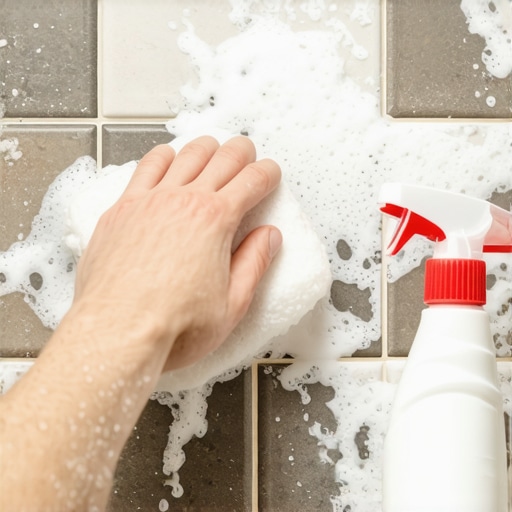
To truly clean textured stone, you must follow a strict protocol. Start by saturating the surface with warm water to open the pores. Apply your alkaline stone cleaner and let it dwell for at least seven minutes. Do not let it dry on the surface. If it starts to dry, mist it with more water. Use a medium-stiff nylon brush to scrub in circular motions, focusing on the pits and valleys of the texture. For extremely stubborn soap scum, you can use a plastic scraper or a wooden spatula to gently pop the wax off the surface. Once the agitation is complete, rinse with a high-volume, low-pressure water stream. Drying the stone with a microfiber towel is the final, essential step. If you let the water air-dry, you are just redepositing the minerals back onto the surface you just cleaned. It is a tedious process, but it is the only way to maintain the integrity of a natural stone floor. If you manage the grout properly by learning how to refresh grout without replacing it, your shower will look brand new for decades. It is about the physics of the clean, not the speed of the scrub.