Revolutionizing Residential Surfaces: An Expert Approach to Long-Lasting Tile, Showers, and Baseboards
In the realm of contemporary bathroom renovation, achieving enduring quality demands an intricate understanding of material science, installation techniques, and maintenance protocols. The interplay between tile, grout, shower structures, and baseboards forms a complex network where each component influences overall durability. As industry professionals anticipate future trends in 2026, leveraging innovative strategies rooted in empirical research is paramount for optimizing lifespan and aesthetic appeal.
Synergizing Material Selection with Environmental Resilience
Optimal longevity begins with selecting materials that withstand moisture, temperature fluctuations, and mechanical stress. Polished porcelain tiles and advanced composite substrates are increasingly favored over traditional ceramics for their enhanced resistance to cracking and staining. Furthermore, embracing eco-friendly, water-resistant grout formulations—such as epoxy-based or polymer-modified options—can significantly curtail deterioration caused by mold, efflorescence, and chemical breakdown, aligning with sustainable building practices observed in 2025-2026 norms.
Innovative Installation Techniques Elevating Baseboard and Shower Integrity
Incorporating expert installation methodologies, such as recessed or flexible PVC baseboards, minimizes expansion-induced cracking and water intrusion. Modified joint sealing practices, including the application of high-grade sealants and waterproof membranes, serve as vital barriers preventing grout failure and tile delamination. Notably, precise substrate preparation—featuring surface leveling, priming, and moisture testing—serves as the backbone for enduring results, echoing findings in the latest Architectural Digest white papers on resilient bathroom architecture.
Addressing Common Failures: When Grout and Tiles Lose Integrity
Field observations reveal persistent issues such as grout cracking, tile loosening, and mold growth. These failures often stem from incorrect curing processes, substrate movement, or subpar material compatibility. For instance, insufficient curing time or improper cleaning can exacerbate porosity, leading to discoloration or decay. Advanced troubleshooting involves techniques like epoxy grout reapplication, structural reinforcement, and the deployment of modular tile systems to accommodate thermal expansion, minimizing stress concentrations.
What are the most overlooked factors compromising shower longevity despite using premium materials?
Environmental factors such as hidden water leaks, improper slope grading, and inadequate ventilation often undermine surface integrity. Furthermore, neglecting routine maintenance—like grout sealing and timely repairs—accelerates degradation. Overall, a proactive approach combining material science, precise craftsmanship, and vigilant upkeep is essential for durable installations in 2026 and beyond.
For further insights into bathroom durability innovations, consult industry guidelines like those provided in the Grout Restoration Guide. Engaging with expert content regularly ensures that your projects incorporate the latest advancements in moisture control, material toughness, and aesthetic longevity.
If you aim to elevate your expertise or share professional experiences, explore our comprehensive resources or contact seasoned specialists dedicated to redefining bathroom excellence.
Unlocking Modern Sealants to Combat Moisture Intrusion
One critical factor often underestimated in achieving long-lasting bathroom surfaces is the application of cutting-edge sealants that provide superior waterproofing. Recent innovations feature hybrid polymer-based sealants that resist mold, mildew, and chemical breakdown far better than traditional options. Professionals recommend applying these sealants meticulously at junctions, corners, and edges—especially around shower enclosures and baseboards—to prevent water infiltration and subsequent damage. For an in-depth guide on choosing the right sealant, visit our trusted grout sealant solutions for lasting results.
Integrating Smart Surface Monitoring for Proactive Maintenance
With the rise of IoT devices and sensor technology, some forward-thinking professionals are embedding moisture sensors within substrate layers to monitor humidity and detect leaks early. This tech integration facilitates proactive maintenance, drastically reducing the risk of grout deterioration, tile loosening, or mold proliferation. While still an emerging practice, adopting such sensors in high-moisture zones can extend the functional life of surfaces in bathrooms, highlighting a fusion of science and practicality that aligns with 2026 renovation trends.
Are Moisture Barriers Enough to Prevent Hidden Water Damage?
Many assume that installing moisture barriers alone guarantees surface durability, but recent industry studies suggest otherwise. The effectiveness of these barriers depends heavily on proper installation and seamless integration with other moisture control systems. Moreover, beneath these barriers, substandard substrates or old, cracked mortar can create hidden pathways for water ingress. This oversight emphasizes the importance of comprehensive moisture management, including proper slope grading and ventilation, to maintain surface integrity over time. For detailed approaches, consult the expert guide to durable shower baseboards.
If you’re interested in cutting-edge moisture management techniques and surface longevity strategies, reach out to our team or explore additional resources to elevate your project outcomes.
Harnessing Architectural Innovations to Prevent Surface Degradation
As the demand for resilient bathroom surfaces intensifies, integrating architectural innovations offers a transformative edge in preventing common failure modes like cracking, delamination, and mold formation. Techniques such as seismic-resistant substrate anchoring systems and multilayer vapor control assemblies not only enhance structural stability but also mitigate environmental stressors that accelerate deterioration. For example, employing floating floor assemblies with isolating foam layers can absorb minor substrate movements, significantly reducing tile cracking risks. Additionally, these systems promote moisture management by decoupling the tile layer from foundational movements, ensuring longevity even under climatic stressors.
Can adaptive substrates revolutionize leak mitigation? A deeper look into emerging materials
Recent research points to adaptive substrate materials that respond dynamically to moisture variations—expanding or contracting to minimize stress. Innovations like phase-change materials integrated into backing substrates can regulate humidity levels actively, reducing the potential for mold growth and material fatigue. According to a detailed analysis in the Journal of Building Physics, these materials hold promise for next-generation bathroom surfaces, particularly in climates with high humidity fluctuations. Implementing such technologies requires a nuanced understanding of material compatibility and installation protocols, underscoring the necessity for specialized expertise.
The Critical Role of Surface Preparation in Beyond-Standard Installations
While surface preparation is a fundamental step, advanced projects demand precision techniques to attain ultimate durability. Techniques such as electrochemical surface treatments can alter substrate porosity at a molecular level, enhancing adhesion quality of grout and tile materials. Furthermore, applying nano-coatings to substrates creates a hydrophobic barrier, repelling water ingress and reducing staining. These processes, often utilized in high-end commercial settings, demand meticulous planning and execution but exponentially extend the lifespan of bathroom surfaces. Recognizing this, professional installers are increasingly integrating these technologies into premium residential renovations.
What nuances in substrate chemistry influence long-term adhesion in wet zones?
Substrate chemistry, including surface mineral content and pore size distribution, profoundly impacts adhesion durability. For substrates rich in silica or calcium carbonate, selecting compatible adhesive and grout formulations that chemically bond without causing efflorescence or stress-related failures becomes critical. Experts advocate for conducting thorough substrate analysis—using techniques like X-ray diffraction or scanning electron microscopy—prior to installation, to tailor materials and methods appropriately. This nuanced approach ensures that surface integrity remains unaffected over decades, even under aggressive environmental conditions.
Integrating Digital Monitoring Systems for Quality Assurance
The future landscape of surface durability sees increasing adoption of digital monitoring, where embedded sensors continuously track moisture levels, temperature, and structural stresses. These systems, connected through IoT platforms, generate real-time data enabling proactive interventions before issues escalate. For instance, early detection of rising humidity in hidden cavities can prompt targeted repairs, preventing mold proliferation or grout failure. Deployment of these technologies in high-end projects reflects an exponential rise in warranty periods and customer satisfaction, illustrating a paradigm shift towards predictive maintenance models in bathroom architecture.
To explore how such advancements can be tailored for your renovation projects, consider consulting with specialists who are pioneering these cutting-edge techniques. Incorporating science-backed solutions ensures that your surfaces will withstand the rigors of time while maintaining their aesthetic appeal—an investment in durability that pays dividends over decades.
Harnessing Cutting-Edge Moisture Control Technologies
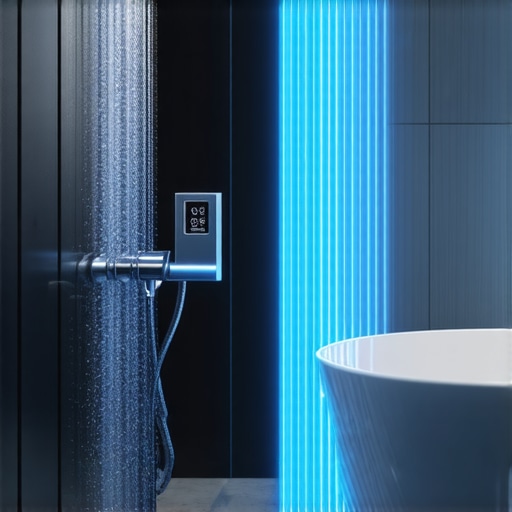
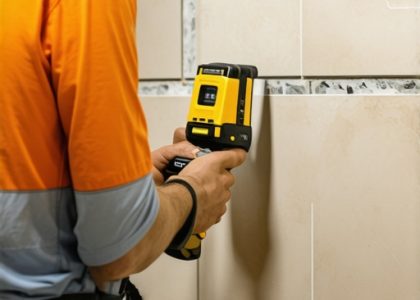
To elevate bathroom durability, integrating state-of-the-art moisture management systems is crucial. Beyond conventional vapor barriers, recent innovations involve adaptive vapor control layers that respond dynamically to environmental humidity variations, effectively minimizing condensation buildup and subsequent tile delamination. Additionally, the deployment of embedded moisture sensors within substrate structures enables real-time monitoring, granting proactive insights into potential leak points or moisture infiltration incidents, which are pivotal for long-term surface integrity.
Can intelligent moisture sensors revolutionize bathroom maintenance?
Absolutely. As highlighted by leading building physics research in the Journal of Building Engineering, these sensors facilitate early leak detection, reducing costly repairs and mold proliferation. Implementing such systems requires meticulous planning but offers unmatched assurance of surface durability.
Innovative Adhesive and Coating Technologies Make a Difference
Professionals are now leveraging advanced adhesive formulations, such as UV-curable epoxies, which enable rapid, highly bondable, and water-resistant applications, significantly cutting down installation times while boosting longevity. Furthermore, nano-engineered surface coatings applied post-installation create a hydrophobic barrier, effectively repelling water ingress even under adverse conditions. The synergy between these methods enhances resilience against chemical attack, staining, and biological growth, especially in challenging environments.
Reevaluating Substrate Composition for Superior Bonding
Analyzing substrate chemistry with techniques like X-ray fluorescence and microscopic imaging provides insights into mineral content, porosity, and surface energy—factors that directly influence adhesion quality. Tailoring primer and adhesive combinations to specific substrate properties ensures a more uniform, durable bond, resistant to thermal shifts and moisture cycles. Industries advocating for precision substrate treatment, such as aerospace and high-end commercial construction, exemplify best practices that can be adopted in residential settings aiming for premium longevity.
How do innovative substrate materials influence the longevity of wet zone installations?
Emerging materials like fiber-reinforced cement boards with integrated moisture barriers provide enhanced structural stability and resistance to cracking. Their composite nature allows for better stress distribution and adaptability under temperature fluctuations, reducing failure risks traditionally associated with ceramic tiles. For detailed specifications, consulting sources like the High Performance Activated Composites Journal offers valuable insights into advanced substrate innovations.
Optimizing Structural Designs for Environmentally Resilient Bathrooms
Reconsidering the design paradigm involves integrating seismic-resistant anchoring systems and multilayer vapor/air barrier assemblies that accommodate environmental stressors. Employing floating floor systems with decoupling membranes minimizes the impact of foundational movements, reducing stress on tiles and grout joints. Additionally, incorporating passive ventilation strategies—like heat recovery ventilators—helps maintain optimal humidity levels, preventing the conditions that accelerate surface degradation.
Expert Strategies for Bathroom Durability
Innovative material selection, precise installation practices, and proactive maintenance form the foundation of resilient bathroom surfaces. Leveraging high-performance substrates, advanced sealants, and embedded monitoring systems allows professionals to anticipate and mitigate common failure modes, ensuring longevity amid environmental stressors.
Key Insights Elevating Your Projects
Utilize Adaptive Materials for Dynamic Stress Management
Emerging substrates with phase-change capabilities respond proactively to moisture fluctuations, reducing stress-related cracks and mold growth. Integrating these materials requires specialized knowledge but significantly extends surface lifespan.
Prioritize Seamless Moisture Control Systems
Combining vapor barriers with intelligent sensors enables early leak detection and moisture regulation. This proactive approach minimizes substrate deterioration and preserves tile integrity over decades.
Adopt Eco-Friendly, High-Performance Grouts and Sealants
Hybrid polymer sealants and epoxy-based grouts resist mold, staining, and chemical breakdown—fundamental for maintaining aesthetic appeal and structural integrity in wet zones.
Embrace Digital Innovations for Maintenance
Embedding moisture sensors within substrates offers real-time data, facilitating targeted repairs and reducing long-term costs. This integration aligns with the increasing trend towards smart, self-maintaining bathrooms.
Curated Resources for the Discerning Professional
- Architectural Digest White Papers: In-depth analysis of resilient bathroom architecture and innovative installation techniques.
- Journal of Building Physics: Advanced research on adaptive substrates and phase-change materials suitable for wet environments.
- Trusted Industry Guides: Practical manuals on moisture management, sealing technologies, and substrate preparation tailored for high-end renovations.
The Future Is Now: Elevate Your Expertise
Staying ahead in bathroom surface durability requires integrating the latest scientific advances with craftsmanship. Recognize the potential of adaptive materials, digital monitoring, and eco-friendly solutions to redefine standards. Engage with industry-leading resources, and connect with specialists committed to pushing the boundaries of resilience and aesthetics. Your next project can set new benchmarks by embracing these cutting-edge strategies for long-lasting bathrooms in 2026 and beyond.

![How to Fix Shower Floor Puddles With 3 Tiling Slopes [2026]](https://elegantfloorz.com/wp-content/uploads/2026/02/How-to-Fix-Shower-Floor-Puddles-With-3-Tiling-Slopes-2026-420x300.jpeg)