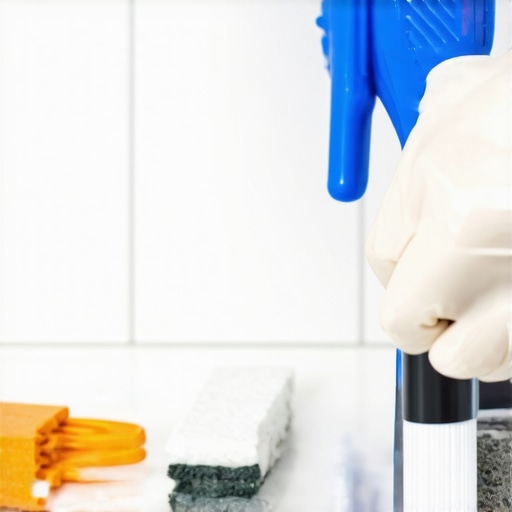
In the realm of bathroom renovation, the longevity and aesthetic appeal of your space hinge on meticulous attention to detail in tile installation, grout maintenance, and the strategic use of baseboards and shower designs. As an industry expert, I emphasize that implementing high-quality materials coupled with proven sealing techniques forms the backbone of durable bathroom environments. Properly selected tiles, combined with expert grout application and sealing, not only enhance visual appeal but also resist moisture ingress, mold, and structural deterioration over time.
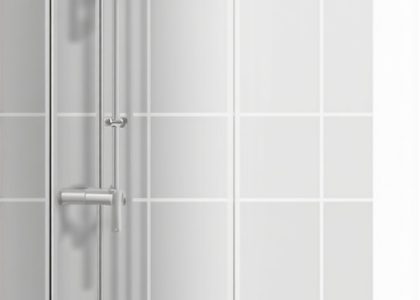
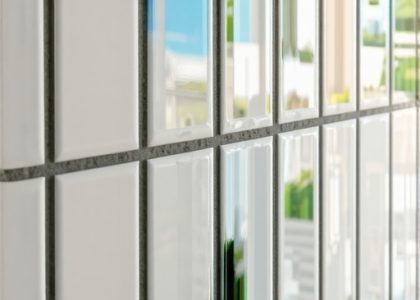
Choosing the right tile is paramount for both durability and style. Porcelain and ceramic tiles with low porosity levels are preferred for their water-resistant properties, especially in shower enclosures and wet zones. Consideration of slip resistance, texture, and size impacts both safety and maintenance ease. Advanced layout patterns, such as herringbone or modular grids, not only elevate design but also distribute stress more evenly, reducing the likelihood of cracking or chipping under daily use. For detailed guidance, consult showers with style ideas.
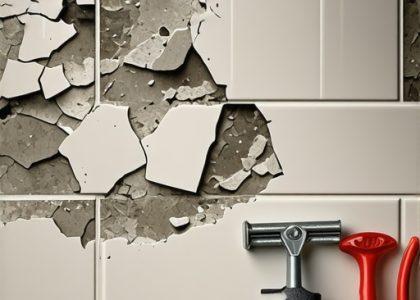
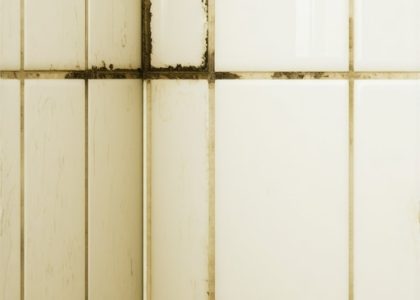
Grout, often overlooked, is a pivotal element in maintaining the integrity of tiled surfaces. Expert-grade grout formulations, including epoxy or hybrid variants, provide enhanced resistance to staining, cracking, and moisture penetration. Proper application techniques—such as meticulous cleaning of joints prior to sealing—are essential. Sealants with high penetrative qualities, like silane or silicone-based compounds, safeguard against water infiltration and facilitate easier cleaning, thus extending the lifespan of grout lines. For comprehensive restoration strategies, see grout restoration secrets.
High-quality baseboards serve both functional and decorative purposes. They conceal joint imperfections and transition smoothly between different flooring materials, while also protecting walls from water splashes and impacts. Expert installation ensures that baseboards are sealed at the bottom to prevent water ingress, which is critical in humid environments. Innovative designs—such as slim profiles or bold, textured profiles—can dramatically influence the perceived space and style coherence. For insights on trending baseboard designs, visit chic baseboard designs 2025.
What are the best practices for integrating shower and baseboard materials to prevent water damage?
Integrating shower surrounds with baseboards demands precise sealing and material compatibility. Use water-resistant, sealed joints between tiles and baseboards, employing sealants compatible with both materials. Regular inspection and maintenance of these junctions prevent water ingress that can compromise wall and floor structures. For detailed, field-tested techniques, visit shower baseboard installation.
Explore related content to deepen your expertise and contribute insights that could redefine standards in bathroom durability and style. Trust expert advice and premium materials to ensure your renovation stands the test of time, blending aesthetic appeal with structural resilience.
In high-traffic bathrooms, mastering the art of durable tile and grout installation is crucial for long-term beauty and functionality. Choosing resilient materials like porcelain or glazed ceramic tiles, which are less porous and more resistant to moisture, forms the foundation of a lasting space. Moreover, the layout pattern—whether herringbone, basket weave, or a classic grid—not only enhances visual interest but also distributes stress evenly, reducing the risk of cracking or chipping over time. For a comprehensive look at modern shower designs that integrate seamlessly with durable tiling, visit showers with style ideas.
Grout acts as the glue that holds tiles together, but its durability depends on proper formulation and application. Epoxy grout or hybrid options provide superior resistance against staining and moisture penetration, which are vital in humid bathrooms. Proper joint cleaning before sealing is essential—using tools like grout brushes and vacuuming out debris ensures a tight seal. Sealants with penetrating qualities, such as silane or silicone-based products, create an impermeable barrier that prevents water ingress and simplifies cleaning. For expert restoration advice, see grout restoration secrets.
Transform Your Space with Cohesive Baseboard Choices
High-quality baseboards serve more than decorative purposes—they are a critical barrier against water damage and a transition element that enhances overall aesthetic coherence. Proper sealing at the bottom prevents water from seeping behind, especially in damp environments. Modern designs, such as slim profiles or textured profiles, can dramatically influence the perceived size and style of the bathroom. For innovative ideas on baseboard upgrades, explore chic baseboard designs 2025.
How can you align shower and baseboard materials to maximize longevity and style?
Achieving a harmonious integration between shower surrounds and baseboards involves selecting water-resistant materials and employing precise sealing techniques. Use sealants compatible with both tile and baseboard materials, and ensure joints are meticulously sealed to prevent water ingress. Regular inspections and maintenance of these junctions are vital for ongoing protection. For expert guidance on shower baseboard installation, visit shower baseboard installation.
To further refine your approach, consider consulting trusted sources like tile grout maintenance tips for insights into long-lasting care routines. Sharing your experiences or challenges can also help foster community knowledge, so don’t hesitate to comment or suggest additional topics for expert coverage.
Choosing the right tiles is a nuanced process that balances aesthetics with functional durability. Porcelain tiles, with their low water absorption rate (less than 0.5%), outperform ceramic in high-moisture zones, making them ideal for showers and wet areas. Beyond material choice, consider slip resistance and surface texture—matte finishes tend to offer better safety without sacrificing style. Advanced layout patterns, such as diagonal grids or basket weave, not only elevate visual interest but also distribute structural stress more evenly, reducing the risk of cracks and chipping over time. For experts seeking detailed installation techniques, consult showers with style ideas.
Grout’s role extends beyond mere aesthetics—it’s integral to the structural integrity of tiled surfaces. Epoxy grout, with its chemical resistance and stain-proof properties, is increasingly favored in bathrooms subjected to frequent moisture exposure. Hybrid grouts, combining cementitious and polymer components, offer a balance of ease of application and enhanced durability. Proper joint preparation is crucial; cleaning joints thoroughly with vacuum and grout brushes ensures a tight seal. Applying high-penetration sealants like silane or silicone-based compounds creates an impermeable barrier that repels water and resists mold growth. For comprehensive insights into grout longevity, see grout restoration secrets.
Innovative Strategies for Seamless Shower and Baseboard Integration
Integrating shower surrounds with baseboards involves meticulous material selection and precise sealing to prevent water ingress. Use water-resistant sealants compatible with both tile and baseboard materials, ensuring joints are meticulously sealed at all transitions. Employing flexible, high-quality sealants accommodates slight movements and prevents cracks that can harbor mold. Regular maintenance, including resealing every few years, preserves the integrity of these junctions. Modern design trends favor slim, minimalist baseboards that minimize water retention while enhancing aesthetic continuity. For expert advice on installation techniques, refer to shower baseboard installation.
Why Proper Sealing Transforms Bathroom Longevity
Proper sealing of joints and edges is a cornerstone of durable bathroom design. High-quality sealants like silicone and hybrid polymer formulations provide elasticity, accommodating temperature fluctuations and minor structural shifts. The use of color-matched sealants enhances visual cohesion, making repairs less conspicuous. Regular inspection and resealing—especially after cleaning or renovations—are essential to prevent water damage. Additionally, employing sealants with antimicrobial properties can inhibit mold and bacterial growth, maintaining a healthier environment. For detailed sealing techniques, see tile grout maintenance tips.
Emerging innovations in bathroom materials promise unprecedented durability and ease of maintenance. Nano-coatings, for example, create superhydrophobic surfaces that repel water and stains, simplifying cleaning routines and extending lifespan. Smart tiles embedded with sensors can monitor moisture levels, alerting homeowners to potential leaks before significant damage occurs. Furthermore, UV-resistant and antimicrobial tiles are gaining popularity, especially in commercial or high-use residential settings. Incorporating these cutting-edge materials requires careful planning but offers long-term benefits that justify the investment. For those interested in pioneering bathroom designs, staying informed about these advancements is crucial. Engage with industry experts and manufacturers to explore how these innovations can redefine your space.
Innovative Sealant Technologies Elevating Bathroom Resilience
In the pursuit of long-lasting bathroom environments, the adoption of advanced sealant formulations such as hybrid silicone-polymer compounds and antimicrobial sealants has revolutionized water management. These materials not only provide superior elasticity to accommodate structural movements but also inhibit mold growth, ensuring a healthier space. Industry leaders recommend integrating these sealants during initial installation and performing regular maintenance inspections to sustain their protective properties over years of use.
How Do Nano-Coatings and Smart Materials Redefine Bathroom Longevity?
Emerging nanotechnology applications, including superhydrophobic coatings, create surfaces that repel water, stains, and bacteria, drastically reducing cleaning time and preventing water ingress. Additionally, smart tiles embedded with moisture sensors can alert homeowners or maintenance teams to potential leaks before significant damage occurs, facilitating proactive repairs and preventing costly repairs. The integration of these innovations demands a comprehensive understanding of material compatibility and installation techniques, which are available through specialized industry training and expert consultation.
Visualize nano-coatings on high-performance tiles demonstrating water-repellent properties in a modern bathroom setting for enhanced durability.
Why Material Compatibility Is Critical for Seamless Transitions
Ensuring that shower surrounds, baseboards, and flooring materials work harmoniously requires meticulous selection of water-resistant, flexible adhesives and sealants. The use of color-matched, flexible sealants that adhere well to both porcelain and engineered wood prevents cracking and water seepage at junctions, significantly extending the lifespan of the installation. Employing transition strips made from corrosion-resistant metals or treated composites further minimizes water retention and facilitates easy cleaning, contributing to a cohesive aesthetic and structural integrity.
Choosing the Right Tile Technologies for Future-Proof Bathrooms
Advanced ceramic and porcelain tiles now incorporate antimicrobial properties and UV-resistance, making them ideal for high-moisture and high-traffic zones. These tiles are engineered with low porosity and enhanced surface textures that improve slip resistance while maintaining visual appeal. Experts suggest consulting reputable manufacturers’ specifications and third-party testing results to select tiles that meet the rigorous demands of modern bathrooms, especially in environments exposed to frequent cleaning and water exposure.
How Can Proactive Maintenance Extend Your Bathroom’s Life?
Incorporating routine inspections, timely resealing, and the use of high-quality cleaning agents designed for sealed surfaces ensures the longevity of tiles, grout, and sealants. Employing moisture meters to monitor hidden leak risks and scheduling professional inspections periodically can preempt structural issues. Industry resources such as the Tile Council of North America (TCNA) provide detailed guidelines and recommended practices that professionals follow to maintain optimal performance of bathroom materials over decades.
Engage with Experts to Elevate Your Bathroom Design and Durability
Leverage the latest technological advancements and expert insights in tile selection, sealing, and maintenance to craft bathrooms that combine aesthetic appeal with unmatched resilience. Consulting with industry specialists and utilizing innovative materials can significantly reduce long-term repair costs and enhance the overall value of your property. Don’t hesitate to explore professional resources and participate in expert-led workshops to stay ahead in bathroom design innovation.
Elevate Bathroom Durability with Cutting-Edge Techniques
Implementing advanced tile, grout, and baseboard solutions is essential for creating a resilient bathroom environment. Experts recommend using nano-coatings on tiles to repel water and stains, significantly extending lifespan. Additionally, employing hybrid grout formulations with superior adhesion and moisture resistance ensures long-lasting beauty and functionality. Proper sealing at transition points prevents water ingress, reducing the risk of mold and structural damage.
Leverage Top Resources to Deepen Your Expertise
- Tile Council of North America (TCNA): The definitive authority on tile standards and installation best practices, offering comprehensive guidelines for durable installations.
- Grout Restoration Techniques: Specialized articles and tutorials that detail innovative methods for maintaining and restoring grout, ensuring longevity and aesthetic appeal.
- Industry Workshops and Certifications: Hands-on training programs led by industry veterans, providing up-to-date techniques for tile, grout, and baseboard installation and maintenance.
Reflecting on Industry Evolution and Your Next Steps
Integrating expert insights with modern materials transforms bathroom renovation from a routine task into a strategic investment. The key takeaway is that meticulous attention to material compatibility, sealing, and ongoing maintenance is paramount for enduring results. As a professional or dedicated DIY enthusiast, engaging with authoritative resources and continuous learning elevates your craft and ensures your bathroom stands the test of time. Dive deeper into these topics, share your insights, or seek expert consultation to refine your projects and set new standards of excellence in bathroom durability.