
The physics of hidden water damage in modern showers
Most guys skip the leveling compound. They think the underlayment will hide the dip. It won’t. I spent three days grinding concrete on a job last month just so the floor wouldn’t click like a castanet. The homeowner thought it was just a cosmetic issue. They were wrong. Underneath that surface was a slow motion disaster involving moisture that had migrated from an adjacent shower stall because the seal was shot. When you spend twenty five years on your knees with a moisture meter, you stop looking at tile as a pretty surface and start seeing it as a structural envelope. A shower is a pressurized environment. Every time you turn on the water, you are testing the integrity of a complex chemical and physical barrier. If that barrier has even a microscopic flaw, physics will find it. Water does not need a hole the size of a penny to ruin your life. It only needs a path. Through capillary action, water can travel uphill, around corners, and deep into your floor joists long before you see a single drip on the drywall below.
The microscopic betrayal of a hairline crack
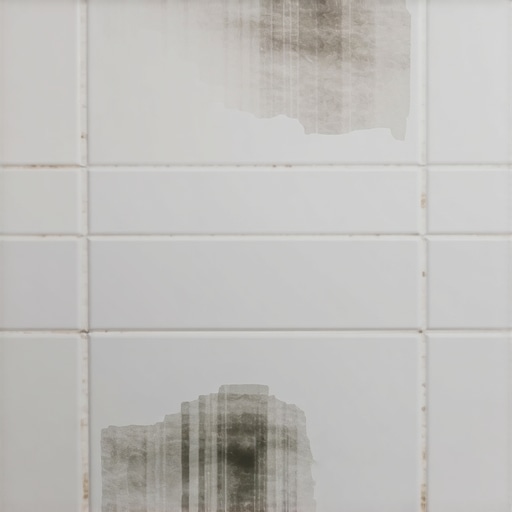
Failing shower seals manifest through capillary action in hairline grout cracks or degraded silicone at the change of plane. Early detection involves identifying discolored grout, damp baseboards, or efflorescence on tile surfaces which indicate a breach in the waterproofing membrane or failed sealant joints that lead to subfloor saturation. The reality of a shower is that it is never truly dry. Grout is naturally porous. It is a cementitious product that, on a molecular level, looks like a sponge. When you see a crack as thin as a human hair, you aren’t just looking at an aesthetic flaw. You are looking at a straw that is sucking water into the wall cavity. This water hits the thin set, which is also porous, and begins to saturate the substrate. If the installer did not use a topical waterproofing membrane like Kerdi or a liquid applied guard, that water is now sitting on your plywood or cement board. Plywood acts like a wick. It will pull that moisture three feet away from the shower, rotting out the floor under your vanity or your chic baseboard designs before you ever notice a smell. You have to be proactive. You have to look at the transitions where the floor meets the wall. If the caulk is peeling or has black spots behind it, the seal is already gone. That black is not just dirt. It is mold living on the organic matter trapped behind the silicone.
“A floor is only as good as the subfloor beneath it; deflection is the enemy of every joint.” – Master Flooring Axiom
Why your subfloor is lying to you
Subfloor deflection creates mechanical stress on grout lines and shower seals, causing structural fatigue in the waterproofing bond. When a subfloor flexes beyond the L/360 industry standard, the tile assembly shifts, resulting in shearing forces that break the sealant beads and allow moisture infiltration into the joist system. I have seen floors that looked perfectly level but had so much bounce that every step someone took near the shower was pulling the wall tile away from the base. This is the structural engineering side of flooring that people ignore. If your joists are undersized or if the subfloor is only a single layer of five eighths plywood, the floor is going to move. Tile and grout do not move. They are rigid. When the floor moves and the tile does not, something has to give. Usually, it is the bond at the corner. Once that bond breaks, you have a direct injection site for water. This is why I always check for deflection before I even think about thin set. If the subfloor is lying to you about its stability, your shower seal does not stand a chance. You can apply the best sealer in the world, but if the house is breathing, the seal will snap. This is especially true in regions with high seasonal humidity where the wood expands and contracts. You need to understand the grout restoration secrets that involve flexible epoxy or high grade silicones that can handle this movement.
| Sealant Type | Elasticity Rate | Chemical Resistance | Typical Lifespan |
|---|---|---|---|
| Standard Caulk | Low | Low | 1 to 2 Years |
| 100% Silicone | High | High | 5 to 10 Years |
| Urethane Sealant | Medium | Very High | 8 to 12 Years |
| Epoxy Grout | None | Maximum | 20+ Years |
Chemical warfare in the grout lines
Grout chemistry determines the permeability of your shower enclosure and its resistance to hydrostatic pressure and biofilm accumulation. Using epoxy grout or high performance cementitious grout reduces water absorption rates, protecting the internal shower structure from efflorescence and mineral leaching that occurs when alkali moisture migrates through the tile assembly. Most people think grout is just colored sand. It is actually a complex chemical matrix. In the old days, we used basic Portland cement grout. It worked, but it was thirsty. Today, we have polymers that wrap around the sand grains to create a more hydrophobic surface. But even the best grout can be defeated by harsh cleaners. If you are using acidic
Comments
One response to “How to Spot a Failing Shower Seal Before the Ceiling Drips”
I’ve encountered situations where seemingly minor cracks in grout or silicone turned out to be early signs of deeper moisture issues. The post rightly emphasizes how even tiny hairline cracks can serve as capillary pathways, pulling water into places we can’t see initially. I especially appreciate the reminder that grout isn’t just a decorative element; it’s a crucial part of the barrier. When I do inspections, I look closely at transition points and check for black spots behind caulk, as those often signal mold lurking behind what looks like a simple repair job. From personal experience, upgrading to epoxy grout and flexible sealants like high-grade silicone has made a noticeable difference in preventing water infiltration, especially in high-humidity regions. It makes me wonder—what are some effective ways homeowners can regularly monitor these tiny but impactful cracks without professional tools? Are there some simple, affordable methods to catch early signs of failure before significant damage occurs? I believe proactive maintenance combined with awareness can save a lot of cost and trouble down the line.