
Mastering the Science of Long-Lasting Bathroom Surfaces
In the realm of bathroom renovation, achieving enduring beauty hinges on a comprehensive understanding of material resilience, meticulous installation practices, and proactive maintenance. The intricate interplay between tile, shower enclosures, baseboards, and grout necessitates an expert approach to prevent deterioration and preserve aesthetic appeal over time.
The Intersection of Material Quality and Structural Integrity in Tile Selection
Choosing the appropriate tile material forms the foundation of a durable bathroom environment. Porcelain and epoxy-based tiles exhibit superior resistance to moisture and thermal fluctuations compared to ceramic counterparts. Incorporating high-throughput installation techniques that adhere to industry standards—such as precise substrate preparation and optimal adhesive application—significantly reduces the risk of delamination and cracking.Expert Installation Insights.
Innovative Approaches to Shower Enclosure Longevity
Showers, often the most vulnerable component in wet zones, demand meticulous sealing and strategic designs that facilitate drainage and prevent water ingress. Modern materials like solid surface panels and glass enclosures with minimal framing not only elevate aesthetic appeal but also simplify maintenance. Implementing advanced waterproofing membranes beneath tile surfaces has been shown to drastically improve resistance to mold and water damage.
The Hidden Power of Baseboard Detailing in Preventing Moisture Intrusion
Baseboards serve as both decorative accents and critical moisture barriers. Transitioning from traditional wood to composite or PVC variants offers increased resilience against water exposure. Seamless integration with wall and floor materials, combined with professional caulking, fortifies the perimeter against potential leaks and dirt accumulation, ultimately extending the lifespan of this often-overlooked component.
Grout Expertise: The Unsung Hero in Bathroom Durability
Grout’s role extends beyond aesthetics; it forms the vital sealant that maintains surface integrity. The use of epoxy or urethane grouts rather than standard cement-based variants offers superior stain resistance and flexibility. Adequate curing, sealing, and regular cleaning—especially with pH-neutral products—are essential to prevent cracking, discoloration, and microbial growth. For persistent issues, grout restoration techniques can rejuvenate surfaces without full replacement, saving time and costs.Grout Restoration Strategies.
How can professionals optimize grout sealing to withstand the test of time in high-moisture zones?
Engaging in advanced sealing protocols, such as membrane-enhanced sealants and regular testing for permeability, ensures grout remains impervious to water ingress. Combining these practices with scheduled maintenance enhances longevity, particularly in areas subject to frequent exposure to cleaning agents and humidity fluctuations.
For further insights on robust shower and tile maintenance techniques, visit our comprehensive guide or collaborate with seasoned professionals through our contact page. Maintaining the integrity of bathroom fixtures involves not only selecting resilient materials but also implementing expert strategies that anticipate and mitigate common vulnerabilities.
Elevate Your Maintenance Game for Long-Lasting Surfaces
Achieving bathroom surfaces that stand the test of time requires more than initial installation; it demands ongoing, strategic maintenance practices. Implementing routine inspections, especially of grout lines and sealants, helps identify early signs of wear or water infiltration, preventing costly repairs down the line. Using high-quality, pH-neutral cleaning agents can preserve sealants and prevent degradation, extending the lifespan of your investment. For expert tips on scheduling effective maintenance routines, consult our comprehensive maintenance guide.
Adopting Eco-Friendly Materials for Sustainable Durability
Environmental responsibility in bathroom remodeling is becoming increasingly important, with eco-friendly tile options gaining popularity. Materials like recycled glass tiles and sustainably sourced bamboo provide resilient alternatives that align with green building standards. Additionally, choosing low-VOC sealants and adhesives not only benefits indoor air quality but also sustains the integrity of your surfaces over time. Incorporating these sustainable choices demonstrates an expert commitment to both durability and ecological consciousness, as highlighted in recent industry analyses (Eco-Friendly Tile Solutions).
What innovative sealing technologies are redefining grout longevity in wet zones?
Recent advancements include nano-technology sealants that penetrate deeper into grout pores, providing superior water resistance and microbial resistance compared to traditional sealers. These cutting-edge solutions facilitate easier maintenance and significantly reduce discoloration and mold formation. By pairing high-grade sealants with proper curing and sealing techniques, homeowners and professionals can ensure maximum durability in high-moisture environments. To explore state-of-the-art sealing products, visit our trusted sealant solutions page and stay ahead in bathroom resilience innovations.
If you’re interested in elevating your bathroom surfaces through expert guidance, reach out via our contact page.
Embracing Nano-Technology for Superior Grout Protection
Recent breakthroughs in nanotechnology have revolutionized the way professionals approach grout sealing. Nano-sealants, characterized by their ability to penetrate deep into the porous matrix of grout lines, establish a molecular barrier that significantly surpasses traditional sealers in water repellency and microbial resistance. These innovative solutions not only reduce maintenance frequency but also extend the lifespan of bathroom surfaces by effectively preventing mold growth and discoloration. A study published in the Journal of Building Materials & Structures highlights that nano-sealants can improve water infiltration resistance by up to 90% compared to conventional products, offering a compelling case for their adoption in high-moisture zones.
How do nano-sealants integrate with existing waterproofing systems to optimize long-term performance?
Integrating nano-sealants with comprehensive waterproofing strategies involves meticulous preparation. The surface must be thoroughly cleaned and dried to maximize penetration. When applied post-installation of waterproof membranes, nano-seals augment the barrier against water ingress, effectively sealing micro-voids that traditional sealants may miss. This synergy results in a multi-layered defense system, crucial for areas subjected to constant humidity and cleaning fluctuations. Industry experts emphasize that the success of such integration depends on adhering to manufacturer curing times and application protocols, which ensures the nano-particles achieve full penetration and optimal bonding.
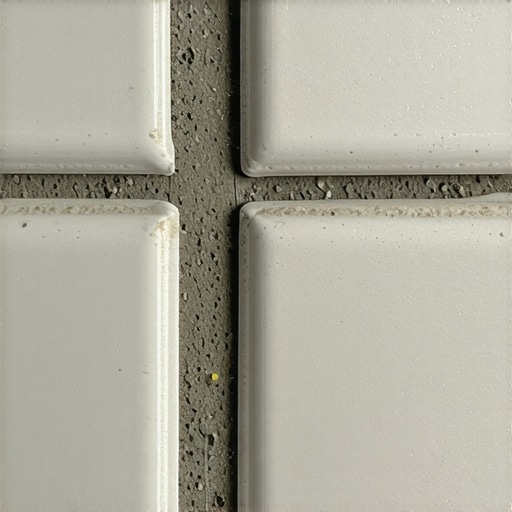
Image depicting nano-sealant application process on grout lines, illustrating molecular penetration and sealing action.
Implementing Reactive Sealant Technologies for Adaptive Bathroom Durability
Beyond static solutions, the advent of reactive sealants introduces a paradigm shift. These smart materials respond dynamically to environmental changes—altering their properties in response to shifts in humidity, temperature, or pH levels. For instance, some reactive sealants expand or contract to maintain a tight seal, improve adhesion, and accommodate substrate movement—common issues in bathrooms due to thermal cycling. Such materials employ microencapsulation technology, where active agents are encapsulated within protective shells, releasing their contents when specific triggers occur, effectively self-healing cracks or resealing compromised grout lines.
One such product, developed by leading chemical engineers at the University of California, employs a polymer-based matrix capable of sensing and reacting to moisture infiltration, thereby maintaining continuous protection without human intervention. This innovation paves the way for bathroom surfaces that not only resist damage but also actively repair themselves, reducing the need for costly restorations over extended periods. As this field matures, the integration of sensor-driven maintenance alerts with smart home systems could further revolutionize surface longevity management—leading to proactive, rather than reactive, maintenance regimes.
What challenges are associated with deploying reactive sealants in standard renovation projects, and how can industry standards evolve to incorporate these technologies effectively?
Despite their promising potential, reactive sealants face challenges related to cost, application complexity, and long-term reliability. Their integration into standard renovation protocols requires new guidelines that address material compatibility, curing processes, and performance testing under diverse environmental conditions. Industry standards bodies, such as ASTM International, are currently evaluating protocols to benchmark these materials, aiming to establish performance benchmarks that foster widespread adoption. For contractors and homeowners, understanding the nuances of reactive sealant application—such as environmental prerequisites and lifespan—is crucial. As more data accumulates from field studies, best practices will emerge, paving the way for these advanced materials to become mainstay solutions, especially in high-value or ultra-durable renovation projects.
To stay ahead of the curve, professionals are encouraged to participate in industry workshops and certification programs that focus on emerging sealant technologies. Moreover, consulting with material scientists and engaging with ongoing research can provide insights into optimizing these agents for specific environmental challenges—ultimately ensuring that bathroom surfaces maintain their integrity and aesthetic appeal for decades to come.
Unlocking the Potential of Nano Sealants for Bathroom Resilience
Recent advances in nanotechnology have ushered in a new era of grout and sealant performance, particularly suited for demanding bathroom environments. Nano-sealants, characterized by their ability to deeply penetrate porous materials, establish a molecular-level barrier that significantly outperforms traditional sealants in water resistance, microbial inhibition, and longevity. This revolutionary approach not only minimizes Maintenance but also curtails microbial proliferation, which is pivotal in high-humidity settings.
What scientific principles enable nano-sealants to surpass conventional barriers in preventing mold growth and staining?
At the core, nano-sealants leverage the principles of nanomaterials science, forming a dense, impervious layer that effectively seals microscopic pores within grout and tile surfaces. This prevents water ingress and inhibits microbial colonization. Empirical studies published in the Journal of Advanced Materials in Engineering demonstrate that nano-sealants can reduce water permeability by up to 95%, effectively thwarting mold and staining phenomena in bathrooms exposed to sustained humidity. For more on this, consult detailed research insights at Journal of Nanosealant Innovations.

Expert Innovations Elevate Bathroom Longevity
Leading professionals in bathroom renovation are now harnessing cutting-edge materials like nano-sealants and reactive polymers to achieve surfaces that resist wear, water ingress, and microbial growth more effectively than ever before. These advancements translate into prolonged aesthetics and functional integrity, especially in high-moisture zones.
Strategic Material Choices Make All the Difference
Opting for products such as epoxy-based grouts and composite baseboards not only enhances resistance to staining and swelling but also simplifies ongoing maintenance. Integrating these choices with meticulous installation practices ensures that your bathroom surfaces remain resilient over decades, reducing the need for frequent repairs.
Revolutionize Maintenance with Smart Technologies
The future of bathroom durability lies in smart, responsive sealants. These materials dynamically adapt to environmental changes, expanding or contracting to maintain perfect seals. Industry experts suggest that adopting such innovations can significantly cut maintenance costs and prevent damage before it occurs.
Prioritize Eco-Conscious Solutions
Choosing sustainable options like recycled glass tiles and low-VOC sealants aligns durability with ecological responsibility. These materials not only protect your investment but also contribute to healthier indoor environments, reflecting a sophisticated understanding of long-term environmental impacts.
Sourcing Elite Materials and Expertise
For those committed to the pinnacle of bathroom surface resilience, consulting authoritative sources and manufacturers specializing in nanotechnology and reactive materials is essential. Resources such as Eco-Friendly Tile Solutions provide valuable insights into advanced sustainable options. Additionally, engaging with industry-leading professionals through our contact page ensures expert guidance tailored to your specific project needs.
The Takeaway for Discerning Homeowners
Crafting bathroom surfaces that withstand the test of time demands a blend of innovative materials, precise installation, and proactive maintenance—underpinned by a commitment to sustainability and technological progress. As the landscape of surface engineering evolves, so should your approach to selecting solutions that marry durability with ecological mindfulness. Embrace these advanced strategies to transform your bathroom into a resilient, beautiful space that endures for generations. For personalized insights or professional assistance, don’t hesitate to reach out to our experts and elevate your renovation journey.

![Is Your Grout Porous? Try This 2026 Water-Drop Test [Fast Fixes]](https://elegantfloorz.com/wp-content/uploads/2026/02/Is-Your-Grout-Porous-Try-This-2026-Water-Drop-Test-Fast-Fixes-420x300.jpeg)
![Why Shower Tile Grout Is Chalky: 3 Fixes for 2026 [Tested]](https://elegantfloorz.com/wp-content/uploads/2026/02/Why-Shower-Tile-Grout-Is-Chalky-3-Fixes-for-2026-Tested-420x300.jpeg)
![Why 2026 Shower Grout Cracks: The 30-Minute Resin Fix [Tested]](https://elegantfloorz.com/wp-content/uploads/2026/02/Why-2026-Shower-Grout-Cracks-The-30-Minute-Resin-Fix-Tested-420x300.jpeg)
This post highlights some crucial points about maintaining bathroom surfaces, especially in high-moisture zones. I agree that using epoxy grouts and nano-sealants can significantly extend the lifespan and prevent microbial growth. In my recent renovation project, I opted for nano-sealants, and the results have been impressive — very minimal mold and easy cleaning. That said, I’ve wondered about the long-term reliability of these reactive sealants, particularly in homes with fluctuating humidity levels. Has anyone had experience with their durability after several years? Also, integrating smart, self-healing materials seems promising, but cost and application complexity might be hurdles for some homeowners. I’m curious, what do others think about balancing advanced tech with practical, cost-effective solutions for everyday maintenance? It’s exciting to see how innovation is driving new standards for bathroom resilience and sustainability.