Mastering Moisture Management: The Foundation of Durable Bathroom Renovations
In the evolving landscape of bathroom design, the emphasis on longevity and water resistance demands meticulous attention to detail, particularly concerning baseboards, tiles, grout, and shower enclosures. An expert understanding of sealant technologies, material selection, and installation techniques is crucial for overcoming common issues like rot, mold, and structural deterioration.
Innovative Sealant Technologies: Elevating Waterproofing Efficacy
Recent developments in polymer-based sealants, including epoxy and hybrid formulations, have revolutionized moisture barriers. These advanced products offer superior adhesion, flexibility, and resistance to chemical degradation, making them indispensable for shower base installation and grout restoration. When applied correctly, they form an insurmountable barrier against water infiltration, significantly extending the lifespan of bathroom components.
Choosing the Right Materials for Water-Resistant Baseboards
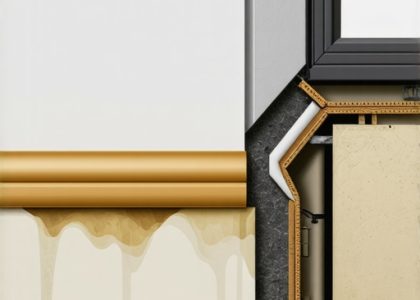
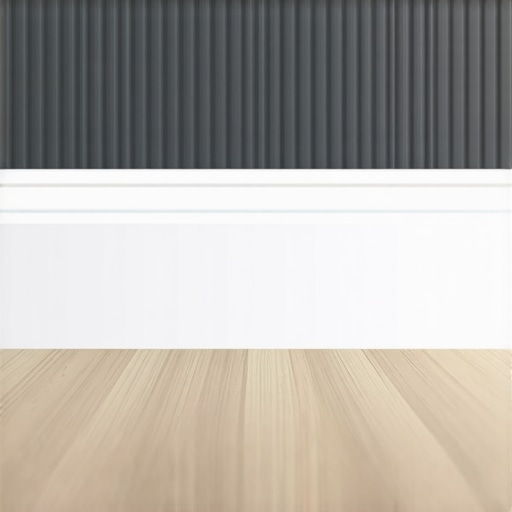
Traditional wooden baseboards are increasingly being replaced by waterproof alternatives such as PVC, composite, or stone-based materials. These options demonstrate remarkable resistance to moisture-induced damage and align with the trend towards minimal maintenance. Strategic installation and sealing are critical to prevent water vapors from seeping into structural elements, which can precipitate rot and mold growth.
The Nuances of Grout Composition and Application Techniques
Modern grout compositions are engineered for enhanced waterproofing, featuring additives that improve flexibility and chemical resistance. Proper curing, joint sealing, and regular maintenance—through cleaning and resealing—are fundamental to prevent degradation over time, especially in high-moisture zones like shower enclosures. For comprehensive guidance, consult trusted methods such as grout restoration.
Strategic Shower Design to Mitigate Water Damage Risks
Innovative shower configurations can significantly reduce water exposure to vulnerable baseboards and adjacent tiles. Incorporating recessed niches, waterproof membranes, and proper slope design ensures that water runoff remains within designated areas, dramatically decreasing the likelihood of rot and mold — crucial considerations for premium bathroom renovations.
What Are the Most Effective Waterproofing Techniques That Experts Are Overlooking?
To optimize waterproofing, experts recommend a layered approach combining membrane barriers, sealant application, and high-performance grout. Techniques such as spray-applied waterproof membranes behind tiles and sealed expansion joints prevent water ingress at critical points, often overlooked in standard installations. Staying abreast of emerging materials like polymer-modified coatings can give renovation projects a competitive edge.
For in-depth insights and cutting-edge strategies, consider reviewing comprehensive guides such as the ultimate waterproofing guide for bathrooms or engaging with industry forums to share real-world experiences.
In a domain where moisture management equates to structural integrity, leveraging the latest waterproofing innovations and materials is vital. The integration of technical expertise, rigorous installation protocols, and ongoing maintenance sustains the aesthetic and functional excellence of bathrooms well into the future.
Innovating Material Selection for Lasting Water Resistance
Beyond basic waterproofing, the selection of materials plays a pivotal role in ensuring longevity, especially in high-moisture environments. Modern options like engineered stone countertops and corrosion-resistant metals for fixtures offer superior durability. When it comes to baseboards, switching from traditional wood to high-performance polymers such as PVC or composite materials can significantly mitigate moisture-related deterioration, aligning with the trend towards sustainable and low-maintenance bathroom upgrades. For homeowners seeking expert guidance, exploring modern shower designs can offer inspiring ideas on integrating these resilient materials seamlessly into aesthetic themes.
The Art of Seamless Installation for Water-tight Integrity
Installation techniques are just as critical as material choice in preventing moisture ingress. Employing proper substrate preparation ensures a stable foundation, while the application of flexible sealants accommodates movement without cracking. Techniques such as using backer rods with elongated joints facilitate uniform sealant placement, essential in dynamic bathroom environments. Expert installers often incorporate waterproof membranes behind tiles—applied via spray or roll-on methods—to create an additional barrier. For more advanced tactics, refer to professional installation practices that guarantee both durability and water resistance.
Can Your Sealants Keep Up with Modern Bathroom Demands?
While selecting high-quality sealants is fundamental, understanding their limitations and maintenance needs is vital. Silicone-based sealants, though versatile, may degrade over years, especially with temperature fluctuations or chemical exposure. Emerging materials like hybrid-polymer sealants promise longer-lasting, elastic, and UV-resistant solutions. Experts advise periodic resealing every few years to maintain water-tight integrity, especially in joints prone to movement. To stay ahead, consider adopting advanced grout and sealant systems that offer superior longevity and resistance to mold or discoloration.
What Innovations Will Define the Next Generation of Waterproof Bathroom Systems?
Emerging technologies such as nano-coatings, self-healing sealants, and smart moisture detection devices are poised to revolutionize bathroom waterproofing. Nano-coatings, applied as a thin film, provide a barrier that repels water at a molecular level, reducing the need for frequent resealing. Self-healing materials can automatically repair micro-cracks, significantly extending service life. Integrating these with moisture sensors can alert homeowners to potential leaks before they cause damage, transforming bathroom maintenance into a proactive rather than reactive process. For a deeper dive, industry professionals recommend reviewing the latest reports on innovation in waterproofing materials, such as the insights shared in leading expert guides.
If you’re considering a renovation, implementing these forward-thinking strategies can deliver unparalleled durability and peace of mind. Share your experiences or ask questions about waterproofing techniques in our comment section to foster a community of knowledgeable homeowners and contractors committed to bathroom excellence.
Harnessing Vapor Barriers for Optimal Moisture Defense
Implementing effective vapor barriers is paramount to prevent moisture migration from exterior surfaces into structural components. High-performance polyethylene sheets, when installed beneath subflooring or behind wall coverings, create an active defense against vapor diffusion, significantly reducing the risk of mold formation and durability issues. The nuanced selection of barrier thickness and permeance ratings—such as those specified in ASTM E96—can make a tangible difference in climate-specific applications, especially in regions with high humidity. Furthermore, innovative multi-layer barriers incorporating foil facings can reflect radiant heat, adding an extra layer of insulation while simultaneously enhancing vapor protection.
Can advanced vapor barriers truly eradicate indoor moisture problems?
While no solution is entirely infallible, adherence to detailed installation protocols and material selection aligned with regional climate considerations can vastly mitigate moisture ingress, sustaining structural integrity over decades. For homeowners and contractors, consulting expert guidelines, such as those from the ASTM International standards, ensures compliance and optimal performance of vapor barriers, fostering a resilient bathroom environment.
The Role of Airflow Dynamics in Moisture Management
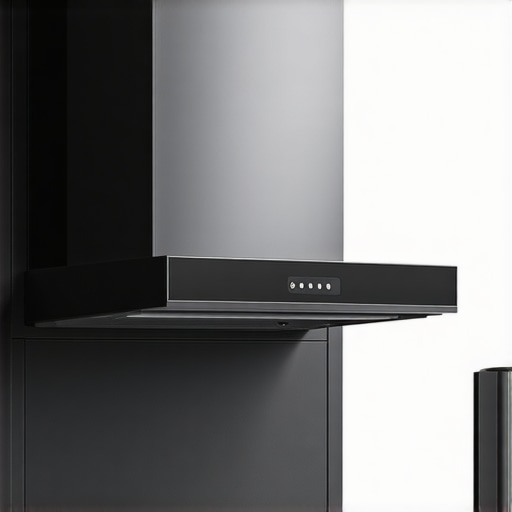
Beyond static barriers, dynamic airflow control within bathroom spaces influences moisture accumulation significantly. Thoughtful design of ventilation systems—including HRVs (Heat Recovery Ventilators) and ERVs (Energy Recovery Ventilators)—not only manages indoor humidity levels but also recirculates air efficiently, preventing stale, moist air pockets. The integration of programmable humidity sensors triggers these systems automatically, maintaining ideal moisture conditions while conserving energy. Proper placement of exhaust fans, combined with comprehensive duct sealing and insulated vents, ensures that moist air is swiftly expelled without causing pressure imbalances that could compromise sealing integrity.
How can advanced ventilation systems be tailored to unique bathroom configurations?
Rethinking Baseboard Choices for Moisture-Resistant Environments
Moving beyond conventional wooden options, architects are increasingly favoring polymer composites and stone-based materials that inherently resist water infiltration. These selections not only promise longevity but also simplify maintenance protocols, aligning with sustainable design principles. When selecting materials, consider their thermal expansion coefficients and compatibility with surrounding substrates to prevent future cracks or detachment, as detailed in the comprehensive study by the Building Science Corporation.
What Advanced Installation Strategies Guarantee Longevity?
Expert installers now employ techniques such as substrate leveling with self-leveling compounds, coupled with the strategic use of flexible sealants that accommodate structural movement. Implementing uncoupling membranes beneath tiles can mitigate stress transfer, reducing the risk of cracks and water ingress. Incorporating waterproof backer boards specific to wet zones ensures a sealed environment, essential for high-moisture areas where traditional methods fall short.
How Do Multi-Layer Waterproofing Systems Outperform Single Solutions?
Multi-layer systems—comprising a vapor barrier, waterproof membrane, and sealant interface—create redundant defenses that significantly lower failure risk. For example, a spray-applied membrane combined with a liquid waterproofing sealant around niches and joints offers comprehensive protection. According to the Journal of Building Integrity, these layered approaches extend the lifespan of bathroom installations by effectively managing vapor and water movement, especially in retrofit scenarios where existing structures pose challenges.
The Role of Smart Materials in Modern Bathroom Construction
Emerging smart materials, such as self-healing polymers, are poised to revolutionize moisture management in bathrooms. These substances can autonomously repair microcracks caused by thermal cycling or structural settling, maintaining the integrity of waterproof layers over decades. When integrated with moisture sensors, these systems can alert homeowners to potential breaches before visible damage occurs, embodying a proactive maintenance philosophy endorsed by leading material science institutes.
Can Moisture-Resistant Baseboards Singly Prevent Mold Growth?
Resisting water is only part of the solution; controlling humidity levels within the bathroom plays a pivotal role. Installing dedicated dehumidification systems, coupled with optimized ventilation, can reduce interior moisture levels below the threshold where mold spores thrive. The American Society of Heating, Refrigerating and Air-Conditioning Engineers (ASHRAE) recommends maintaining indoor humidity below 60% to inhibit mold proliferation, making ventilation a critical aspect of comprehensive moisture management strategies.
Why Are Zonal Ventilation Systems the Future of Moisture Control?
Rather than relying on centralized exhaust fans, zonal systems target specific high-moisture zones, ensuring precise humidity control. These systems utilize decentralized sensors and automated dampers that activate only where needed, conserving energy while optimizing air quality. Integrating these with building management systems enables real-time monitoring and adjustment, embodying the latest trend in intelligent moisture regulation, as documented by the Journal of Building Performance Simulation.
Expert Insights & Advanced Considerations
Prioritize Layered Waterproofing
Implement multiple moisture barriers, such as vapor retarders combined with high-performance sealants, to create a resilient defense against water infiltration. This layered approach minimizes the risk of damage in high-humidity environments.
Opt for Engineered, Water-Resistant Materials
Choose materials like engineered stone or composite baseboards that inherently resist moisture and do not require extensive maintenance, ensuring longevity and reduced mold risk in wet zones.
Embrace Smart Installation Techniques
Ensure substrate leveling and flexibility in sealants to accommodate structural movement. Utilizing uncoupling membranes beneath tiles prevents stress transfer, safeguarding against cracks and leaks.
Incorporate Modern Vapor and Moisture Control
Advanced vapor barriers coupled with smart ventilation systems and humidity sensors can dynamically regulate moisture levels, significantly enhancing bathroom durability.
Stay Ahead with Emerging Technologies
Explore innovations like nano-coatings and self-healing sealants that can autonomously repair micro-damage, keeping bathroom components protected longer. These cutting-edge solutions represent the future of moisture management strategies.
Curated Expert Resources
- Building Science Corporation: Offers comprehensive insights into moisture-resistant materials and installation best practices for high-moisture environments.
- ASTM International standards: Provides critical guidelines on vapor barrier specifications and testing methods to ensure compliance and effectiveness.
- Industry-specific journals and webinars: Keep abreast of the latest innovations in waterproof materials, smart vapor barriers, and installation techniques.
Final Expert Perspective
Mastering moisture management in bathroom design hinges on innovative solutions that combine advanced materials, strategic installation, and intelligent moisture control systems. A proactive approach integrating these insights ensures durable, mold-resistant, and aesthetically pleasing spaces. For professionals and homeowners alike, engaging with top-tier resources and embracing emerging technologies is key to staying ahead in this evolving field. Share your expertise or questions in the comments — collaboration fuels progress in creating resilient bathroom environments.