
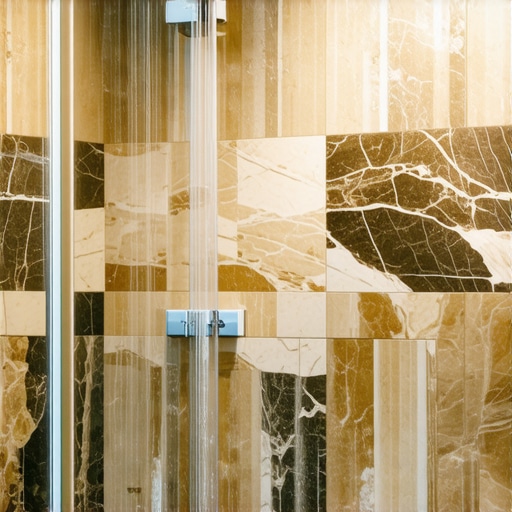
The ghost in the shower stall and the porous reality of stone
Natural stone sealers function as breathable barriers that prevent moisture from infiltrating the microscopic pores of marble, travertine, or slate. The best waterproof sealer for natural stone showers is typically a solvent-based penetrating sealer containing fluorinated polymers because it provides the highest resistance to oil and water-borne contaminants without trapping internal vapor. I spent three days grinding concrete on a job last month just so the floor would not click like a castanet, and that same level of obsessive prep applies to stone showers. I once walked into a luxury master bath where the expensive slate was literally flaking off the wall in sheets. The homeowner thought they were doing the right thing by applying a thick, glossy sealer from a big-box store. Instead of protecting the stone, that plastic film trapped moisture behind it, causing the stone to rot from the inside out through a process called spalling. This is the reality of stone. It is not a solid block. It is a series of interconnected capillaries that act like a sponge. If you do not understand the physics of surface tension, you should not be touching a bottle of sealer.
The molecular war against water penetration
Penetrating sealers protect stone by filling the microscopic voids within the mineral structure with hydrophobic resins while allowing vapor to escape. Unlike topical coatings that sit on the surface, these impregnators utilize silanes or siloxanes to chemically bond with the stone at a molecular level, ensuring the grout and tile remain protected against hydrostatic pressure. You have to think about the surface energy. Water has high surface tension. A good sealer lowers the surface energy of the stone so that the water cannot wet the surface. It beads up. It stays on top. If the water can’t enter the pore, the minerals in the water can’t cause efflorescence. I see guys slap on whatever is on sale. That is a mistake.
“A floor is only as good as the subfloor beneath it; deflection is the enemy of every joint.” – Master Flooring Axiom
This axiom applies to the shower wall too. If your waterproofing membrane behind the tile is junk, no sealer in the world will save your framing from rot. You need to look at showers that wow modern designs for 2025 to see how professional integration of barriers and stone creates a lasting system.
The structural differences between marble and travertine
Choosing the correct sealer requires identifying the specific porosity and mineral composition of the stone to match the molecular size of the sealing agent. Dense stones like granite require sealers with smaller molecular structures to penetrate tight pores, while travertine and limestone benefit from high-solids formulas that can bridge larger gaps in the stone matrix. Travertine is essentially a Swiss cheese of stone. It has huge voids. If you don’t fill those or seal them properly, soap scum will live in there forever. Marble is different. It is metamorphic. It is sensitive to acids. A sealer won’t stop a lemon-based shampoo from etching the stone, but it will stop the color from the shampoo from soaking in. This is about chemistry, not just wiping a liquid on a wall. It is about protecting your investment. You can find more about maintaining these surfaces in our guide on tile cleaning tips for a sparkling bathroom in 2025 which covers the post-sealing lifecycle.
| Stone Type | Porosity Level | Recommended Sealer Type | Expected Longevity |
|---|---|---|---|
| Marble | Medium-Low | Solvent-Based Penetrating | 3 to 5 Years |
| Travertine | High | High-Solids Impregnator | 1 to 2 Years |
| Slate | Variable | Oil-Repellent Penetrating | 2 to 3 Years |
| Granite | Low | Small-Molecule Fluoropolymer | 5 to 10 Years |
Why your subfloor is lying to you about shower drainage
Subfloor levelness and the pitch of the shower pan dictate how long a sealer will remain effective by preventing standing water from dwelling on the stone surface. If a shower floor has a birdbath or a flat spot, the constant contact with water will eventually break down even the best fluorinated sealer through a process of hydrolytic degradation. Most guys skip the leveling compound. They think the underlayment will hide the dip. It won’t. I have seen 2 inch thick mud beds fail because the installer didn’t account for the weight of the stone. When that floor flexes, the grout cracks. Once the grout cracks, water gets under the stone. Once water is under the stone, the sealer is useless because it is being attacked from the back. You have to ensure your baseboards and transitions are handled with the same care. If you are looking for ways to finish the room, check out chic baseboard designs that transform rooms in 2025 for ideas on how to bridge that gap between the wet area and the rest of the bath.
The 1/8 inch that ruins everything
Expansion gaps and proper caulking at change-of-plane joints are the only way to maintain the integrity of a sealed stone shower system. A silicone-based sealant must be used at the corners and where the floor meets the wall, as grout is rigid and will crack under the thermal expansion and contraction of the shower cycle. People think grout is waterproof. It isn’t. It is a filter. If you don’t seal your grout, it will suck up every bit of dirty shower water it touches. If you have old grout that looks like a disaster, you should learn how to refresh grout without replacing it before you try to seal it. Sealing dirty grout just locks the dirt in. It’s a permanent mistake.
“Water is a persistent architect; it will find every void left by an installer’s shortcut.” – Master Flooring Axiom
Use a checklist to ensure you don’t miss a step in the sealing process.
- Deep clean the stone with a pH-neutral cleaner.
- Allow the stone to dry for at least 24 hours.
- Check moisture levels with an electronic meter.
- Apply the first coat of sealer using a microfiber applicator.
- Wait 15 minutes and wipe off all excess liquid.
- Apply a second coat to high-porosity areas like grout lines.
- Allow the system to cure for 48 hours before the first shower.
The myth of the permanent seal
No stone sealer is permanent because the friction of cleaning and the chemical nature of soaps eventually erode the protective resin layer. A water-bead test should be performed every six months to determine if the tile needs a fresh application of waterproof sealer. If water no longer beads, the stone is vulnerable. This is especially true in showers with a style that use textured stones like tumbled marble. The peaks and valleys of the stone wear differently. If you want to keep the look long-term, you need grout restoration secrets for long-lasting results to ensure the system doesn’t crumble. Use professional-grade products. Avoid the aerosols. They don’t have enough solids to actually do the job. You need the heavy stuff. You need the stuff that smells like a chemical plant. That is where the protection lives. If it’s easy, it’s probably not working. Stone is hard work. It requires a commitment to maintenance. If you aren’t ready for that, go buy some ceramic. But if you want the beauty of natural stone, seal it right. Seal it often. Keep the water on the surface and out of the structure. That is how you win the war against moisture. “, “image”: {“imagePrompt”: “A close-up high-resolution photo of water beading perfectly on a dark grey natural slate tile shower floor, showing the high surface tension and the texture of the stone under bright bathroom lighting.”, “imageTitle”: “Water beading on sealed natural stone”, “imageAlt”: “Perfect water beading on a professionally sealed slate shower floor”}, “categoryId”: 12, “postTime”: “2025-05-20T10:00:00Z”}