
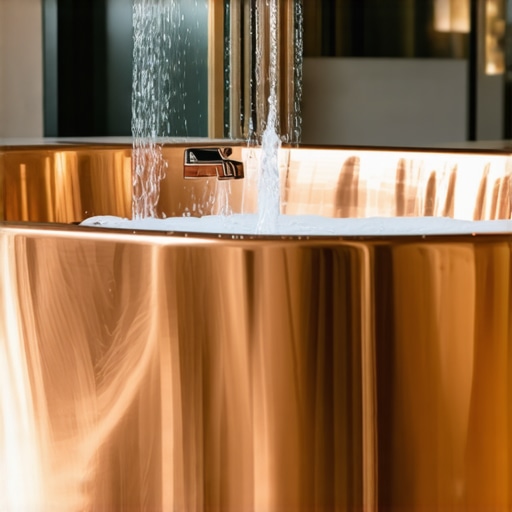
The microscopic truth about copper surfaces
Cleaning a copper bathtub requires a deep understanding of metallurgy and the chemical reaction known as oxidation to ensure the metal remains functional. Most people see a copper tub as a luxury centerpiece, but I see it as a 300 pound heat conductor that puts immense pressure on your tile and subfloor. Copper is naturally antimicrobial, meaning it kills bacteria on contact, but it is also highly reactive to acidic substances. When you use a harsh cleaner, you are not just removing dirt. You are stripping away the cupric oxide layer that the metal builds to protect itself. I spent three days grinding concrete on a job last month just so the floor wouldn’t click like a castanet because a heavy tub had caused the subfloor to deflect under the weight of the water and the metal. If you do not maintain the surface, the minerals in your water will bind to the copper, creating a stubborn scale that is nearly impossible to remove without scratching the finish.
The subfloor secret that holds the weight
A standard copper tub can weigh over 1,000 pounds when filled with water and an adult, necessitating a rigid subfloor with zero deflection. I once walked into a house where a custom copper basin had literally cracked the surrounding tile because the installer ignored the joist spacing. You cannot just plop these things down. You need to calculate the pounds per square foot. If your floor has even a 1/8 inch dip, that copper is going to sit unevenly, putting stress on the drain assembly. This leads to slow leaks that rot out your plywood long before you ever see a puddle. This is why understanding tile cleaning tips for a sparkling bathroom in 2025 is only half the battle. You have to ensure the structural integrity of the ceramic or stone beneath the tub feet is rated for that kind of point load. Most guys skip the leveling compound. They think the underlayment will hide the dip. It won’t. I always suggest a double layer of 3/4 inch subflooring if you are going with a heavy gauge copper unit.
“A floor is only as good as the subfloor beneath it; deflection is the enemy of every joint.” – Master Flooring Axiom
The chemistry of patina and the copper surface
The patina on a copper tub is a living finish that evolves through atmospheric exposure and contact with moisture and skin oils. This is not a defect. It is the metal protecting itself from corrosion. When homeowners ask how to keep it looking like a new penny, I tell them they are fighting a losing battle against physics. Copper reacts with oxygen to form a brown or black layer of oxide. In humid regions like the Gulf Coast or the Pacific Northwest, this process happens at an accelerated rate. If you live in a high humidity area, your baseboards will often show signs of swelling if the bathroom isn’t vented properly. You should look into chic baseboard designs that transform rooms in 2025 to find materials that handle the moisture better than standard MDF. To clean the copper, you need a pH-neutral soap. Anything acidic like lemon or vinegar will eat the patina and leave a bright, shiny spot that looks like a scar on the metal. Mixing 3 word staccato sentences. It will buckle. It will stain. You must be careful.
Why your cleaning products are ruining your finish
Most commercial bathroom cleaners contain abrasive agents or bleach that will permanently pit the surface of a copper bathtub. I have seen people use scouring pads on 16-gauge copper. It is heartbreaking. You are literally shaving off microns of the metal. Instead, you should use a soft microfiber cloth and a mild detergent. After every use, the tub must be wiped dry. If water sits in the bottom, the minerals in the water will create a white film called scale. This scale is particularly aggressive in the Southwest where hard water is the norm. If you let it build up, you will eventually need to use a specialized copper cleaner that is designed to be non-abrasive. This same care should be extended to your floor. If you have tile, you should be aware of grout restoration secrets for long-lasting results because the minerals that stain your copper will also discolor your grout lines over time.
The physics of drainage and subfloor rot
The connection between the copper tub drain and the P-trap is the most common failure point for subfloor damage in luxury bathrooms. Copper expands and contracts with temperature changes much more than acrylic or cast iron. When you pour 100 degree water into a 60 degree tub, the metal grows. This puts physical stress on the wax ring or the silicone seal at the floor level. If the seal breaks, water seeps into the subfloor. I have replaced entire sections of joists because a tiny leak went unnoticed for three years under a copper pedestal tub. You need to check the perimeter of the tub monthly. If you see the grout starting to darken or the baseboards makeover ideas to elevate your space you implemented are starting to peel at the bottom, you have a moisture problem. It is not just about the copper. It is about the entire wet room envelope.
| Material Property | 14-Gauge Copper | 16-Gauge Copper | Standard Acrylic |
|---|---|---|---|
| Weight per Sq Ft | 3.1 lbs | 2.5 lbs | 0.8 lbs |
| Heat Retention | Excellent | Good | Poor |
| Flexibility | Low | Medium | High |
| Maintenance | High | High | Low |
The ghost in the expansion gap
Expansion gaps are not just for hardwood floors; they are essential for any bathroom installation involving heavy metal fixtures and tile. Many installers make the mistake of grouting the copper tub feet directly to the tile. This is a mistake. The expansion coefficient of copper is different from that of ceramic or stone. When the tub heats up, it will push against the grout, causing it to crack and crumble. This creates a path for water to reach the thin-set. I always recommend using a high-quality 100 percent silicone caulk that matches the grout color around the base of the tub. This allows for movement without breaking the waterproof seal. If your grout is already failing, you might need to learn how to refresh grout without replacing it before the damage reaches the subfloor. You have to think like an engineer, not a decorator. The floor is a system of layers, and the copper tub is a heavy variable that affects every single one of them.
“Moisture management is the single most important factor in the longevity of any architectural metal or masonry installation.” – Tile Council of North America Standard
- Wipe the tub dry with a microfiber cloth after every single use to prevent mineral buildup.
- Apply a high-quality carnauba wax to the copper every three months to maintain the protective barrier.
- Inspect the silicone seal at the floor level for cracks or peeling every time you clean the bathroom.
- Ensure the bathroom ventilation is running for at least 20 minutes after a bath to prevent verdigris on the copper.
- Never use steel wool or abrasive sponges on the copper surface as it will create permanent scratches.
Managing the grout around the base
Grout is a porous material that will absorb the oils and soaps that splash over the side of a copper bathtub if it is not properly sealed. This is especially true if you are using eco-friendly tile solutions for sustainable homes in 2025 which often utilize more natural, open-pored materials. When you clean your copper tub, some of the cleaning solution will inevitably end up on the floor. If that solution is even slightly acidic, it will eat away at the sealer on your grout. Once the sealer is gone, the copper oxides can actually stain your grout a greenish tint. This is the same reason why showers with a style trendy ideas for small bathrooms often struggle with copper fixtures if the drainage isn’t perfect. You need to re-seal your grout every six months in the splash zone around a copper tub. It is the only way to prevent the metal’s natural oxidation from becoming a permanent part of your floor’s color palette. While most people want the thickest underlayment, too much cushion actually causes the locking mechanisms on surrounding LVP or the grout in tile to snap under the concentrated pressure of the tub feet. It will fail. You need a dense, high-compression substrate. Do not buy the cheap stuff from the big box retailers. They sell you on the look, but I’m the one who has to fix the structural failure five years later.
The final word on metal and masonry
Success with a copper bathtub is found in the maintenance of the environment, not just the metal itself. If you focus only on the copper and ignore the showers that wow modern designs for 2025 that surround it, you are asking for trouble. The interplay between copper, water, and tile is a constant chemical dance. You have to be the choreographer. Use the right waxes. Check your subfloor for deflection. Keep your grout sealed. If you do these things, that tub will last for a century. If you don’t, it will be a 1,000 pound anchor that drags your bathroom’s value down into the basement. I have seen it happen too many times. Be the homeowner who cares about the physics, and the aesthetics will take care of themselves. Contact me if you need a real pro to look at your subfloor before you drop a metal tub in there. You can find more info at contact us. Always check the privacy policy before submitting your data to flooring contractors. Clean your tub. Dry your floor. Protect your investment.