
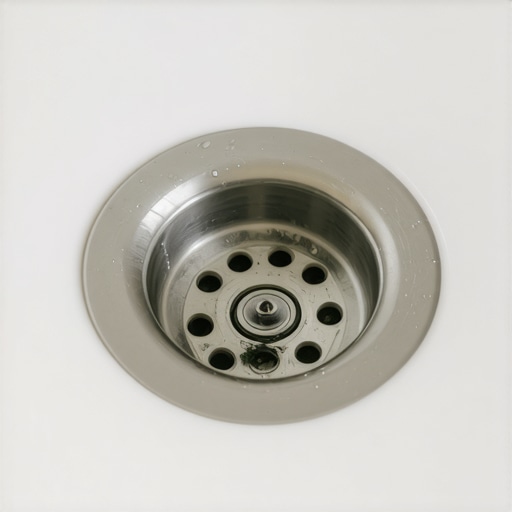
I spent three days grinding concrete on a job last month just so the floor would not click like a castanet. Most guys skip the leveling compound. They think the underlayment will hide the dip. It won’t. I have seen the same laziness in plumbing. A clogged bathtub overflow is not just a nuisance. It is a slow motion flood waiting to destroy your subfloor. When that overflow pipe backs up, water does not stay in the tub. It finds the path of least resistance. Usually, that path leads behind the tile, under the baseboards, and straight into the plywood or concrete slab. I have pulled up enough moldy carpet and buckled hardwood to know that a drainage issue is actually a flooring issue in disguise.
The hidden anatomy of your bathtub drainage
Fixing a clogged bathtub overflow involves accessing the overflow plate, removing hair or debris from the internal linkage, and using a plumbing snake or zip-tie through the overflow pipe rather than the main drain to bypass the trap and clear the secondary blockage effectively. You have to understand that the overflow is a secondary vent and safety system. It consists of a faceplate, a trip lever or a simple cover, and a vertical pipe that joins the main drain pipe below the tub. This junction is where the physics of water flow gets complicated. If hair and soap scum accumulate at the tee where the overflow meets the drain, the water has nowhere to go. This creates hydrostatic pressure. That pressure forces moisture through the gasket behind the tub wall. From my perspective as an installer, that moisture is a predator. It attacks the thin-set holding your tiles and causes the grout to soften. You can see the long term effects of this by reviewing grout restoration secrets for long lasting results to understand how water saturation ruins installations.
The physics of water migration under baseboards
Water migration occurs when an overflow leak travels through the wall cavity and settles at the lowest point, which is the intersection of your subfloor and the wall plate. This is where the damage becomes invisible. Capillary action pulls the water into the porous edges of your subfloor material. If you have an OSB or plywood subfloor, the edges swell. This creates a hump in your flooring that no amount of sanding can fix. I have seen chic baseboard designs that transform rooms in 2025 get completely warped because a simple overflow gasket was leaking for six months. The baseboards act like a sponge. They suck up the water and hold it against the drywall. This leads to rot and a failure of the adhesive bond. In my shop, we call this the silent killer of renovations. You might think you just have a slow drain, but you actually have a structural integrity problem developing behind the scenes.
“A floor is only as good as the subfloor beneath it; deflection is the enemy of every joint.” – Master Flooring Axiom
Mechanical steps to clear the overflow blockage
To clear a blockage in the overflow, you must first remove the screws from the overflow plate and carefully pull out the linkage assembly to inspect for hair clogs and mechanical failure of the brass components. Most people reach for a plunger, but that often forces water into the overflow vent and out the back of the gasket. Instead, use a manual snake. Insert the steel cable into the overflow opening. You are bypassing the P-trap of the main drain. This allows you to hit the clog from the top side. You will feel a soft resistance. That is usually a mix of hair and body oils. Rotate the snake clockwise. Do not force it. If you snap a cable inside the pipe, you are looking at a three thousand dollar plumbing bill and a ripped up floor. Once you pull the clog out, flush the system with hot water. Check for leaks around the perimeter of the tub. If you see water on the floor, it means your gasket is shot. This is a good time to look at tile cleaning tips for a sparkling bathroom in 2025 because the overflow area is usually a breeding ground for mildew that spreads to your grout lines.
The 1/8 inch that ruins everything
A mere 1/8 inch gap in the overflow gasket or a 1/8 inch dip in the subfloor can result in catastrophic failure of the bathroom floor system over a five year period. Precision matters. When you reinstall the overflow plate, the gasket must be perfectly seated. If it is off by a hair, the next time the kids splash water, it will drip down the back of the tub. This water hits the subfloor and begins the expansion process. I always tell my clients that a dry subfloor is a happy subfloor. If you are worried about moisture, consider eco-friendly tile solutions for sustainable homes in 2025 that utilize advanced waterproof membranes. These membranes act as a secondary defense. Even if the plumbing fails, the membrane protects the wood below. However, no membrane can save you from a massive overflow leak that bypasses the tile surface entirely.
Comparison of common drainage fix methods
| Method | Tool Used | Risk to Tile | Effectiveness |
|---|---|---|---|
| Manual Linkage Removal | Screwdriver | Low | High |
| Zip Tie Probe | Nylon Strips | Zero | Moderate |
| Chemical Dissolver | Sulfuric Acid | Extreme | Low |
| Plumbing Snake | Steel Coil | High | Maximum |
Preventive maintenance for showers and drains
- Inspect the overflow gasket for dry rot every twelve months.
- Test the trip lever for mechanical resistance to ensure the seal is opening fully.
- Check the baseboard line for swelling or discoloration after heavy tub use.
- Examine grout lines for moisture darkening which indicates a leak below the surface.
- Use a mesh strainer in the tub to catch hair before it enters the overflow tee.
The maintenance of your drain is directly linked to the lifespan of your bathroom floor and the stability of your tile installation. If you ignore a slow drain, you are inviting moisture to live in your joists. I have seen joists rot through because a homeowner thought a clogged overflow was just a minor inconvenience. They ended up needing a full tear out. If you are planning a renovation, look into showers that wow modern designs for 2025 but make sure your plumber uses high quality schedule 40 PVC for the overflow instead of the thin, cheap kits found at big box stores. The thickness of the pipe walls matters for long term durability. Thicker pipes handle thermal expansion better, which prevents the joints from cracking over time.
The contrarian view on chemical cleaners
While most people reach for liquid drain cleaners, these chemicals are often too heavy for the thin walls of an overflow pipe and can cause the metal to corrode from the inside out. The heat generated by the chemical reaction can also warp plastic gaskets. This leads to the very leaks we are trying to avoid. I prefer mechanical cleaning every time. If you have already used chemicals and notice the grout around your tub is starting to crumble, you should learn how to refresh grout without replacing it before the water damage gets worse. A solid, intact grout line is your first line of defense, but it cannot stop a leak that starts behind the wall. Keep your pipes clear with a snake and keep your subfloor dry. That is the only way to ensure your floor lasts as long as the house. If you see any signs of floor movement, check the drain. It is almost always the culprit. For more information on maintaining your space, you can contact us for expert advice on flooring stability.
“Water is a persistent architect; it will redesign your home whether you want it to or not if the drainage fails.” – Master Flooring Axiom