
The hidden cost of cheap bathroom renovations
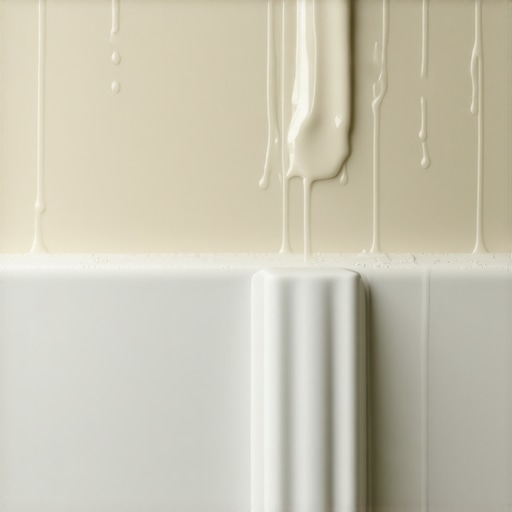
I have spent three decades with my knees on the subfloor and my nose in the sawdust. I have seen every shortcut in the book. I have watched homeowners try to save fifty dollars on a project only to spend five thousand dollars fixing the rot later. Last year I walked into a rental property where the owner had installed peel and stick baseboards. The bathroom looked like a crime scene. The vinyl was curling like sunburnt skin because the installer failed to account for the vapor pressure from the shower. It was a classic mistake. Homeowners think waterproof means indestructible. It does not. A floor is a structural system. The baseboard is the critical transition that protects the wall cavity. When that transition fails the entire structure is at risk.
The truth about pressure sensitive adhesives in humid environments
Peel and stick baseboards fail in damp bathrooms because the pressure sensitive adhesive cannot withstand constant humidity and thermal expansion. Moisture penetrates the gap between the wall and the vinyl, emulsifying the glue and leading to immediate delamination from the substrate surface which compromises the aesthetic and structural integrity.
When we talk about peel and stick products we are talking about Pressure Sensitive Adhesives or PSAs. These are polymers that stay permanently tacky. They do not undergo a chemical cure like a polyurethane construction adhesive or a modified thin-set. Instead they rely on van der Waals forces to grip the surface. In a dry bedroom this works fine. In a bathroom it is a disaster. The steam from a hot shower increases the ambient humidity. This moisture finds the microscopic gaps at the top of the baseboard. Once the water molecules get behind that plastic strip they start to break the bond. It is a slow motion train wreck. The vinyl begins to expand and contract at a different rate than the drywall. Because the glue never hardens it cannot resist these forces. The result is a buckled mess that traps mold behind it.
The molecular struggle of vinyl on drywall
Drywall is essentially a giant sponge made of gypsum and paper. It is a hydrophilic material. Vinyl is a hydrophobic polymer. Trying to stick them together with a cheap acrylic glue in a wet room is an exercise in futility. The paper backing of the drywall will actually wick moisture away from the air and pull it behind the adhesive layer. This creates a thin film of water at the bond line. At that point the baseboard is no longer attached to the wall. It is floating on a microscopic layer of liquid. This is why you see the edges lifting within months of installation. Professional installers know that bathrooms require mechanical fasteners or high grade moisture-curing adhesives. If you want to see better options you should look into baseboards makeover ideas to elevate your space which focus on longevity rather than temporary fixes.
“A floor is only as good as the subfloor beneath it; deflection is the enemy of every joint.” – Master Flooring Axiom
The Janka scale tells us about wood density but it does not tell us about the volatility of cheap PVC. Cheap peel and stick baseboards have a high plasticizer content. These chemicals make the vinyl flexible but they also make it unstable. Over time these plasticizers migrate out of the material. The baseboard becomes brittle. In a bathroom where the temperature swings twenty degrees in ten minutes during a shower the material is constantly under stress. It wants to return to its original shape. If it was rolled up in a box it will always want to curl. Without a rigid bond the internal tension of the plastic wins every time.
The environmental impact of short term flooring choices
We live in a world of disposable renovations. Peel and stick products are the height of this trend. They are marketed as easy but they are environmental nightmares. They cannot be recycled once they are covered in adhesive. Most end up in a landfill within two years. If you are interested in a better path consider eco-friendly tile solutions for sustainable homes in 2025. A real tile baseboard set in thin-set will last fifty years. It does not off-gas. It does not peel. It provides a true water barrier for your wall studs.
| Material Type | Moisture Resistance | Bond Strength | Installation Difficulty |
|---|---|---|---|
| Peel and Stick Vinyl | Very Low | Low | Easy |
| PVC with Polyurethane Glue | High | High | Moderate |
| Solid Ceramic Tile | Absolute | Very High | Difficult |
| Primed MDF | None | Moderate | Moderate |
The relationship between grout and wall transitions
Many people forget that the baseboard is the partner of the floor. If you have a tile floor the grout joint at the wall is a major point of failure. Water can seep under the baseboard and into the subfloor. This is why I always suggest keeping your grout in top shape. You can learn about grout restoration secrets for long-lasting results to ensure the entire system remains watertight. A peel and stick baseboard provides zero protection here. It is a cosmetic band-aid over a functional wound. Real flooring professionals use a bead of 100 percent silicone at the floor-to-wall transition. This allows for movement without breaking the seal. Peel and stick glue is not a sealant. It is a dust magnet.
- Always check the moisture content of your walls before installation.
- Never install vinyl products over existing wallpaper or flaking paint.
- Ensure the room is acclimated to a constant temperature for 72 hours.
- Use a heavy roller to activate the pressure sensitive bond if you must use stickers.
- Seal the top edge with a high grade bathroom caulk.
The 1/8 inch that ruins everything
In the world of flooring we measure in sixteenths. A gap of one eighth of an inch is enough to let enough steam behind a baseboard to ruin the drywall. Most people do not realize that showers create a pressurized environment. The warm air expands and forces moisture into every crevice. If your baseboard is not perfectly flat against the wall it acts as a funnel. I have seen bathrooms where the homeowners used tile cleaning tips for a sparkling bathroom in 2025 but forgot the walls. The tile was clean but the wall studs were rotting because of a cheap baseboard choice. It is a tragedy of priorities. If you are designing for a small space check showers with a style trendy ideas for small bathrooms and focus on solid materials like porcelain or stone for the base.
“Impermeability is not a suggestion in a wet room; it is the law of survival for the structure.” – TCNA Technical Manual
The chemistry of the bathroom is aggressive. Soap scum, alkaline cleaners, and acidic shampoos all take a toll on adhesives. Traditional construction relies on mechanical interlocking or chemical cures. Peel and stick relies on hope. Hope is not a construction strategy. If you must use a quick fix at least use a secondary bead of quality adhesive. But even then you are just delaying the inevitable. The truth is that peel and stick baseboards have no business being in a bathroom that actually gets used. They are for stage sets and temporary displays. They are not for homes where people live and breathe. Take the time to do it right. Use a solid PVC or a ceramic base. Your walls will thank you in ten years.