Elevating Bathroom Resilience Through Expert Tile and Grout Care
In the realm of bathroom architecture, the longevity of tile, showers, and grout hinges on meticulous maintenance and innovative solutions. As industry standards evolve in 2025, understanding the nuanced interplay of materials and environmental factors becomes paramount for professionals committed to excellence.
Unveiling the Complexity of Grout Degradation and Restoration
Grout, often underestimated, serves as the backbone of aesthetic and structural integrity in tiled surfaces. Advanced techniques such as grout rejuvenation leverage chemical and physical methods to extend service life without invasive removal. Recognizing how moisture infiltration and chemical exposure accelerate deterioration informs targeted interventions, ensuring enduring beauty and functionality.
Designing Showers That Blend Style and Durability
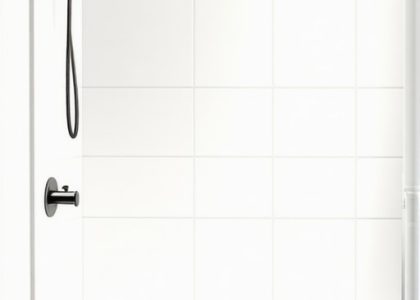
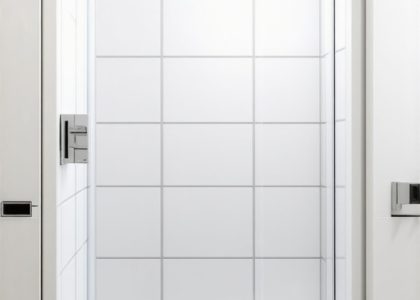
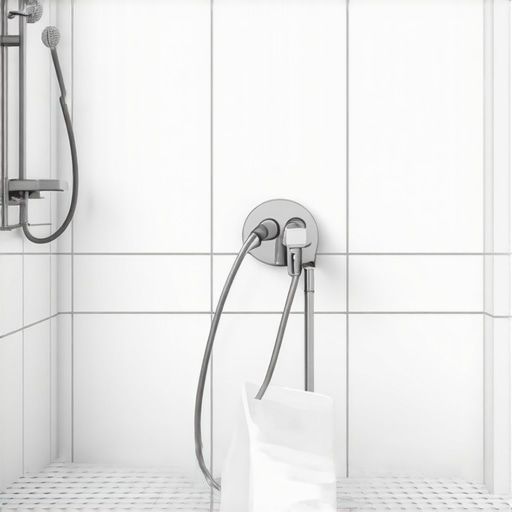
Modern showers in 2025 emphasize seamless integration of durability and design. Features like innovative shower designs incorporate corrosion-resistant materials and smart sealing techniques. These advancements minimize maintenance while maximizing aesthetic impact, particularly in compact spaces where every detail counts.
Strategic Approaches to Baseboard Longevity and Aesthetic Refinement
Baseboards, often overlooked, contribute significantly to overall room durability and style. Expert recommendations suggest selecting moisture-resistant materials and employing precise installation techniques to prevent warping and mold growth. Explore baseboard renovation ideas that elevate both form and function, aligning with sustainable practices and contemporary aesthetics.
What Are the Key Factors in Ensuring Long-Lasting Tile and Grout Installations?
This question reflects a common concern among professionals who aim for aesthetic longevity and structural resilience. Critical factors include proper surface preparation, high-quality sealants, and regular maintenance protocols. Incorporating expert recommendations from sources like the Journal of Building Engineering enhances understanding of material behaviors under diverse conditions.
For those seeking to deepen their expertise, visiting our contact page allows interaction with seasoned specialists. Sharing insights and experiences fosters a community dedicated to pushing the boundaries of bathroom durability and design innovation.
Innovating with Advanced Grout Sealing Techniques
One of the most overlooked aspects of bathroom longevity is the proper sealing of grout joints. Modern sealants, such as epoxy-based options, offer superior resistance to moisture, stains, and chemical damage, significantly extending the lifespan of tiled surfaces. Professionals should consider implementing grout sealing strategies that are tailored to high-moisture environments, ensuring maintenance-free durability and ease of cleaning.
Customizing Shower Designs for Ultimate Resilience
In 2025, shower architecture leans toward customized solutions that blend aesthetics with function. Features like trendsetting shower designs incorporate corrosion-resistant materials, innovative drainage systems, and smart water management. These elements not only elevate visual appeal but also reduce wear and tear, making maintenance more manageable and extending the life of the installation.
What Are the Hidden Challenges to Creating Lasting Bathroom Surfaces?
This question strikes at the core of expert knowledge, prompting a closer look at environmental and material interactions. Factors such as humidity levels, temperature fluctuations, and chemical exposure can subtly undermine structural integrity if not properly managed. Adopting a comprehensive maintenance plan that includes regular tile and grout cleaning alongside periodic inspections, is crucial for long-term durability. Consulting authoritative sources like the Journal of Building Engineering provides insights into innovative material science breakthroughs that support resilient bathroom environments.
If you’re eager to explore more expert strategies, consider reaching out through our contact page. Sharing your challenges and successes fosters a community committed to elevating bathroom performance and design standards.
Advanced Material Science Behind Resilient Bathroom Surfaces
In the quest for bathroom surfaces that withstand the test of time, the integration of cutting-edge material science is pivotal. Modern advancements focus on nanotechnology-infused tiles and grout composites that offer unprecedented resistance to moisture, chemicals, and mechanical wear. For instance, researchers at the National Institute of Standards and Technology (NIST) have developed nanoparticle coatings that repel water and stains, effectively creating a barrier that prevents infiltration and deterioration.
How Do Nano-Coatings Transform Grout Longevity?
Nano-coatings applied to grout joints create a hydrophobic surface that minimizes the absorption of water and chemical contaminants. This technology not only extends the lifespan of grout but also simplifies maintenance by reducing mold and mildew growth. The application process involves spray or brush-on techniques that integrate seamlessly into existing installation workflows, making them accessible for both new constructions and renovations.
Furthermore, the environmental benefits of these innovations are notable; nanomaterials can reduce the need for harsh chemical cleaners, aligning with sustainable building practices. For professionals aiming to push the boundaries of bathroom durability, leveraging nanotechnology represents a strategic advantage—an investment in future-proofing surfaces.
Smart Sealing Solutions for Dynamic Environments
Sealing techniques are evolving from traditional silicone and epoxy options to smart, adaptive sealants capable of responding to environmental shifts. These sealants incorporate microencapsulated agents that release repair compounds when exposed to stress or damage, effectively self-healing minor cracks and ensuring continuous protection.
One remarkable innovation is the development of moisture-sensitive sealants that expand upon contact with water, sealing gaps proactively before moisture penetrates. Such solutions are particularly advantageous in high-moisture zones like showers and around bathtubs, where dynamic conditions demand adaptable sealing strategies.
Addressing Nuanced Challenges with Expert Precision
One sophisticated question often posed by seasoned professionals is, “How can we reliably predict the long-term behavior of new grout formulations under variable environmental conditions?” This inquiry underscores the importance of comprehensive testing protocols, including accelerated aging, chemical exposure simulations, and real-world field trials. The Journal of Construction and Building Materials reports on recent breakthroughs in predictive modeling, utilizing machine learning algorithms to forecast material performance based on compositional data and environmental parameters.
Engaging with such advanced research not only informs better product selection but also influences formulation innovations, guiding manufacturers toward more durable, adaptive solutions.
To deepen your expertise in resilient bathroom design, consider consulting specialized publications or collaborating with material scientists who can provide tailored insights into emerging technologies.
Embracing Sustainable Practices Without Compromising Durability
Sustainability remains a core concern, especially when integrating new materials. The challenge lies in balancing eco-friendly options with the rigorous demands of bathroom environments. Innovators are now developing biodegradable grout additives and recycled-content tiles that meet or exceed durability standards.
For example, recycled glass tiles infused with antimicrobial properties not only reduce environmental impact but also enhance hygienic performance, reducing the need for aggressive cleaning agents. Such innovations showcase how sustainability and resilience can coexist, provided that materials are selected and applied with an expert understanding of environmental interactions.
Interested professionals should stay informed about certifications like the Green Building Council’s LEED standards, which recognize sustainable material use, ensuring that their projects meet both environmental and performance benchmarks.
By integrating these advanced technologies and sustainability principles, you can elevate bathroom design to new heights of durability, aesthetic appeal, and environmental responsibility. For further insights, engaging with industry conferences and peer-reviewed research is highly recommended—continuous learning is key to mastery in this evolving field.

Harnessing Cutting-Edge Material Innovations to Elevate Bathroom Durability
In 2025, the integration of nanotechnology and advanced composite materials is revolutionizing bathroom surface resilience. Researchers have developed nanostructured coatings that impart hydrophobic and anti-microbial properties to tiles and grout, significantly reducing moisture absorption and biological growth. These innovations not only enhance longevity but also simplify maintenance, offering a future-proof approach for discerning professionals seeking excellence in bathroom design.
What Role Do Predictive Analytics Play in Extending Grout Lifespan?
Emerging predictive modeling leveraging machine learning algorithms enables experts to forecast the long-term performance of new grout formulations under diverse environmental conditions. By analyzing compositional data and real-world stress factors, these models guide material selection and application techniques, minimizing failure risks and optimizing durability. This data-driven approach aligns with the latest standards outlined in authoritative publications like the Journal of Construction and Building Materials.
How Can Industry Professionals Implement Smart Sealing Technologies for Dynamic Environments?
Adopting smart, self-healing sealants that respond to environmental stressors marks a significant leap forward. These revolutionary materials incorporate microencapsulated agents capable of releasing repair compounds upon crack formation or moisture intrusion, effectively maintaining water-tight seals in high-moisture zones. Their application reduces maintenance needs and enhances overall surface integrity, especially when integrated with IoT-enabled moisture sensors for proactive monitoring.
Innovative Approaches in Eco-Friendly Bathroom Surface Design
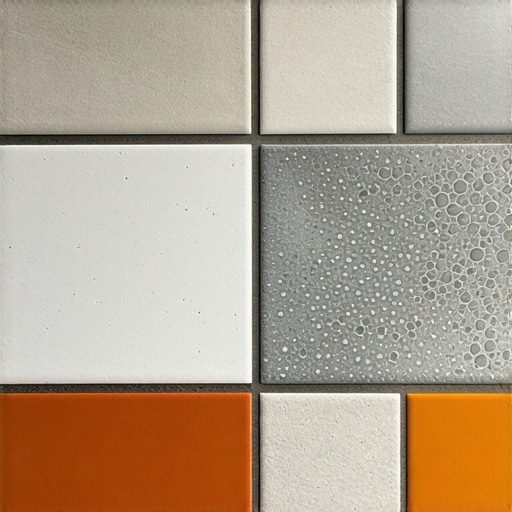
The pursuit of sustainability in bathroom architecture has led to the development of biodegradable grout additives and recycled-content tiles infused with antimicrobial agents. Such solutions meet rigorous durability standards while minimizing environmental impact. Professionals should explore certifications like LEED and WELL to ensure compliance with green building criteria, reinforcing their commitment to eco-conscious excellence and durability.
What Are the Critical Factors in Achieving Seamless Integration of Style and Resilience?
Blending aesthetic appeal with structural integrity requires meticulous material selection and installation precision. Advanced corrosion-resistant coatings, coupled with innovative sealing techniques, create seamless surfaces capable of withstanding chemical exposure, temperature fluctuations, and mechanical wear. Embracing these technologies ensures that bathroom surfaces remain pristine and functional over decades, elevating project standards to new heights of sophistication.
Expert Insights & Advanced Considerations
Innovative Nanocoatings Boost Longevity
Recent advancements in nanotechnology have introduced nano-coatings that repel water, stains, and mold, dramatically extending the life of bathroom surfaces. Applying these coatings to grout and tiles creates an invisible barrier that prevents infiltration, reducing maintenance and repair needs over time.
Predictive Analytics Optimize Material Choices
Leveraging machine learning models allows professionals to forecast how new grout formulations will perform under varying environmental conditions, minimizing failure risks. This proactive approach ensures installations are resilient, even in challenging environments.
Smart Sealing Materials Transform Maintenance
Emerging self-healing sealants incorporate microcapsules that release repair agents upon crack formation or moisture exposure, maintaining water-tightness and reducing routine repairs. These materials adapt dynamically, enhancing overall bathroom surface durability.
Eco-Friendly Materials Meet High Standards
Innovations in biodegradable grout additives and recycled tiles with antimicrobial properties demonstrate that sustainability can align with durability. These eco-conscious solutions meet or surpass industry standards, supporting environmentally responsible projects without compromising resilience.
Advanced Installation Techniques Elevate Results
Precision in installation, including proper surface preparation and the use of high-performance sealants, remains critical. Incorporating expert methods ensures long-lasting bonds and seals, safeguarding surfaces against moisture and wear.
Curated Expert Resources
- National Institute of Standards and Technology (NIST): Provides research on nanomaterials and coatings that enhance tile and grout resistance, offering scientific insights into material science breakthroughs.
- Journal of Construction and Building Materials: Publishes cutting-edge studies on predictive modeling and innovative materials, guiding professionals in making informed, durable choices.
- Green Building Council Certifications (LEED, WELL): Sets standards for sustainable materials that do not compromise on resilience, supporting eco-friendly and durable bathroom design.
Final Expert Perspective
Achieving bathroom durability in tile, grout, and baseboards requires not only meticulous installation but also embracing the latest innovations in nanotechnology, predictive analytics, and smart materials. These advanced strategies, combined with sustainable practices, position professionals to deliver surfaces that stand the test of time, combining resilience with environmental responsibility. For those committed to elevating their expertise, engaging with authoritative sources and continuous learning remains essential. Explore further by connecting with industry specialists and staying abreast of emerging technologies—your next project’s success depends on it.