
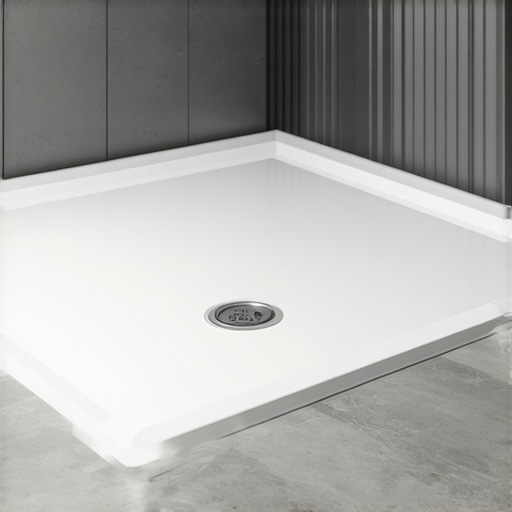
The structural shift in Nevada bathrooms
Acrylic shower bases are dominating the Reno market because they offer a zero-permeability solution that survives the high-desert thermal expansion cycles. Homeowners choose them to avoid grout failure, subfloor rot, and the high labor costs associated with traditional multi-layer mortar bed waterproofing systems used in custom tile work. Most guys skip the leveling compound. They think the underlayment will hide the dip. It won’t. I spent three days grinding concrete on a job last month just so the floor wouldn’t click like a castanet. That same level of precision is exactly why people are ditching tile pans. I once walked into a house in Reno where the custom tile pan had failed because the house settled slightly in the sandy soil. The grout cracked, water seeped into the plywood, and the owner was looking at a five-figure mold remediation bill. A single-piece acrylic base would have flexed instead of fracturing. That is the reality of building in the high desert.
Why your subfloor is lying to you
Subfloors in Reno often suffer from extreme dry rot or warping due to the massive swings in humidity between the winter snows and summer heat. A level subfloor is a myth until a professional makes it one using high-compression self-leveling underlayment. When you install a traditional tile pan, you are at the mercy of the house’s bones. If those bones move, the tile snaps. Acrylic bases are engineered with a slight structural give. They are manufactured using cross-linked acrylic sheets reinforced with fiberglass and often a wood or steel core. This composite construction handles the structural load better than a rigid mortar bed. For those looking for showers that wow modern designs for 2025, the shift is toward these seamless systems. You cannot ignore the physics of deflection. Deflection is the enemy of every joint in a bathroom. If your joists have more than L/360 of flex, your tile is a ticking time bomb.
“A floor is only as good as the subfloor beneath it; deflection is the enemy of every joint.” – Master Flooring Axiom
The chemical reality of non-porous surfaces
Modern acrylic is a non-porous polymer that prevents the colonization of serratia marcescens and other common bathroom bacteria. Unlike tile and grout, which require periodic sealing to maintain water resistance, acrylic remains chemically inert and waterproof throughout its entire lifespan. Grout is essentially a hard sponge. Even if you use high-end epoxy grout, the interface between the grout and the tile is a point of potential failure. In Reno, where the water is hard and full of minerals, those minerals find a home in the microscopic pores of your shower floor. This leads to permanent staining and structural degradation. If you are struggling with existing installations, you might need grout restoration secrets for long-lasting results. Acrylic removes the variable of human error in the sealing process. It is a manufactured certainty in an uncertain environment.
Performance metrics of shower materials
The choice between acrylic and tile often comes down to the durability of the wear layer and the maintenance requirements over a ten year period. While tile offers high scratch resistance, acrylic provides superior impact resistance and thermal retention. Below is a comparison of how these materials handle the stresses of a modern home.
| Metric | Acrylic Base | Custom Tile Pan | Cast Iron |
|---|---|---|---|
| Water Permeability | 0% | 3% to 5% (Grout) | 0% |
| Installation Time | 2 Hours | 3 to 5 Days | 4 Hours |
| Flexibility | Moderate | None | None |
| Thermal Comfort | Warm to touch | Cold | Cold |
| Maintenance | Low | High | Moderate |
The 1/8 inch that ruins everything
Precision in shower installation is measured in eighths of an inch, specifically regarding the slope toward the drain and the levelness of the alcove walls. Acrylic bases come with a pre-engineered pitch that guarantees drainage, whereas manual mud beds often suffer from pooling. I have seen too many tile jobs where the installer didn’t get the pre-slope right. They put the liner on a flat subfloor and then sloped the mud on top. The water hits the liner and just sits there, stinking and rotting the framing. Acrylic eliminates this. It is a factory-calibrated slope. You set it, level it in the mortar bed, and it drains perfectly every time. This precision extends to the perimeter as well. When you integrate chic baseboard designs that transform rooms in 2025, you need the floor to be dead level at the transition. A wonky shower pan ruins the line of your baseboards and makes the whole room look like a DIY disaster.
The moisture barrier and the Reno climate
Reno’s high-altitude climate causes rapid evaporation on the surface but can trap moisture within wall cavities if the shower system is not breathable or perfectly sealed. Acrylic acts as a definitive vapor barrier at the most critical junction of the bathroom. Traditional tile requires a complex sandwich of thin-set, waterproofing membranes, and mesh. Every layer is a chance for a mistake. In our dry air, thin-set can sometimes cure too fast, losing its structural bond before it fully hydrates. This is why we see tile popping off floors in the Truckee Meadows. Acrylic does not care about the humidity during installation. It is a dry-fit system for the most part. This reliability is why professionals are leaning toward eco-friendly tile solutions for sustainable homes in 2025 for the walls while keeping the base acrylic. It is about choosing the right tool for the specific stress point.
Strategic maintenance for the modern homeowner
Maintaining a bathroom in Reno requires a strategy that accounts for heavy mineral deposits and low ambient humidity. Acrylic surfaces only require a neutral pH cleaner, whereas tile demands aggressive scrubbing and chemical resealing. If you find yourself stuck with old tile, you should look into how to refresh grout without replacing it. But for new builds, the ease of acrylic is the selling point. You are not just buying a shower; you are buying back your Saturdays. No more toothbrushes in the grout lines. No more worrying if the sealer has worn off. The long-term cost of ownership for tile is nearly triple that of acrylic when you factor in professional cleanings and repairs. For a high-traffic master bath, that math is undeniable.
- Check the subfloor for level within 1/8 inch over 10 feet.
- Always set the acrylic base in a 1-inch bed of mortar to prevent flexing.
- Verify that the drain assembly uses a mechanical gasket and high-grade silicone.
- Ensure the wall flanges are screwed into studs, not just glued to drywall.
- Acclimate all materials to the room’s temperature for 48 hours before starting.
Aesthetic integration with modern finishes
The myth that acrylic looks cheap is dying as manufacturers introduce matte finishes and stone-composite textures that mimic the look of high-end slate or marble. These bases now integrate seamlessly with luxury wall tile and designer hardware. You can have showers with a style trendy ideas for small bathrooms without the headache of a custom pan. The transition from the shower base to the rest of the floor is where the magic happens. If you choose the right base, you can avoid those ugly transition strips. You want a zero-threshold look. That requires a deep understanding of the joist structure. Sometimes you have to notch the joists or sister them to drop the floor height. It is a structural engineering challenge. When you pair this with baseboards makeover ideas to elevate your space, you create a cohesive, architectural look that feels intentional rather than assembled from a clearance rack.
“Consistency is the hallmark of a master; a factory-edge will always beat a hand-cut tile in a high-stress water environment.” – Structural Flooring Journal
The chemistry of the bond
The adhesion between the shower base and the plumbing assembly is the most frequent point of failure in Nevada homes. Using the wrong solvent or a cheap plumber’s putty will lead to leaks as the materials expand and contract at different rates. You need 100% silicone. Putty dries out in the Reno air and cracks. Silicone stays flexible. The same logic applies to your tile cleaning tips for a sparkling bathroom in 2025. You have to understand the chemistry of what you are putting on your floors. Harsh acids will eat your grout and dull your acrylic. Stick to the basics. If you do the prep work right, the maintenance is an afterthought. If you have questions about specific material compatibility, you can always contact us for a technical breakdown of your specific project needs.
The final word on durability
Acrylic is not a compromise. It is an evolution. In a world where labor is expensive and the climate is harsh, we need systems that work every time. Tile is beautiful, but it is a artisanal product in a world that needs industrial reliability. When you are standing in your shower on a Tuesday morning, you don’t want to be looking at a cracked grout line and wondering if there is water hitting your subfloor. You want to know that the engineering beneath your feet is solid. That is why acrylic is winning. It is about peace of mind. It is about a floor that performs as well as it looks. The industry is changing, and the smart money is on materials that can handle the pressure. Just make sure your installer doesn’t skip the mortar bed. That is the 1/8 inch that ruins everything.