Elevating Shower Renovations: The Critical Role of Precision in Tile Layouts
In the realm of modern bathroom renovations, meticulous precision in tile installation significantly influences both aesthetic appeal and long-term durability. As expert tilers recognize, ensuring perfectly aligned and level tiles—particularly in showers—demands embracing advanced technological solutions like laser-leveling. This approach not only streamlines workflows but also guarantees exceptional quality in complex layouts involving tile, baseboards, grout, and shower enclosures.
Understanding the Limitations of Traditional Leveling Methods
Historically, manual bubble levels and spirit levels served as the mainstay for tile alignment. While accessible, these tools often introduce human error, especially over large or intricate shower surfaces. Variations in surface irregularities, combined with operator fatigue, can lead to misalignments that compromise waterproofing, visual uniformity, and structural integrity. As detailed in professional publications such as the Journal of Tiling and Renovation, precision discrepancies can accelerate grout deterioration and promote mold growth.
Laser-Leveling: Transforming Accuracy and Efficiency
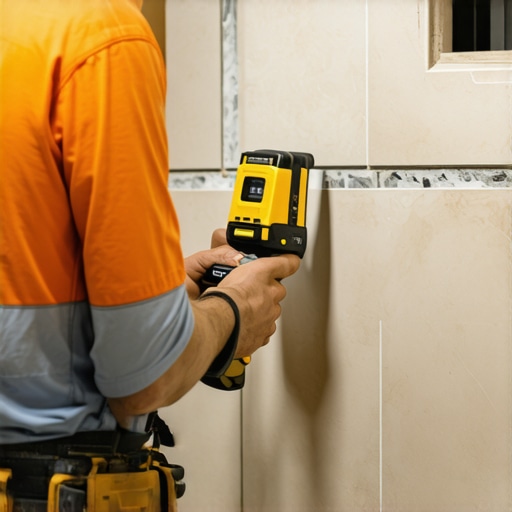
The advent of laser-leveling technology revolutionizes tile installation, offering a high-precision, tangible benefit. By projecting laser lines across surfaces, installers can establish absolute reference points for tile placement, ensuring consistent levelness even amidst uneven substrates. This technological leap minimizes rework, reduces material wastage, and ensures alignment when integrating finishing details such as baseboards and decorative shower niches. For instance, in shower baseboard installations, laser leveling guarantees that trims align seamlessly with tile planes, preventing gaps or overlaps that affect waterproofing and aesthetic flow.
Expert Strategies for Implementing Laser Technology in Shower Projects
Adopting laser leveling involves nuanced planning and an understanding of site conditions. Precise calibration of the laser device, coupled with knowledge of tile size and grout joint specifications, enhances installation accuracy. Additionally, integrating laser measurements with moisture-resistant and temperature-stable tools optimizes results in humid bathroom environments. Field-tested techniques suggest employing dual laser references—horizontal and vertical—facilitates comprehensive control over complex layouts, especially when working with large-format tiles or mosaic patterns.
Addressing Potential Challenges: Sourcing and Cost Effectiveness
Despite undeniable benefits, some professionals question the initial investment in laser leveling due to cost and learning curves. However, considering the long-term savings from reduced errors and expedited project timelines, the technology becomes justifiable. High-trust sources such as Construction Technology Journal emphasize the growing importance of laser tools in achieving professional-grade outcomes—particularly in moist, high-humidity environments like showers, where precision directly correlates with durability.
What are the most effective practices for integrating laser leveling into complex shower tile layouts with intricate grout lines?
To maximize accuracy, experts recommend pre-installation planning, including detailed measurements and mock-up layouts. Using laser-guided transfer of marks from the reference plane to actual surfaces facilitates precise application of tile patterns and grout lines, reducing the need for adjustments during setting. Continuously verifying the laser lines throughout installation ensures consistency, crucial for high-quality finishes and impermeability. Combining laser precision with real-time moisture control leads to superior shower tile outcomes.
For professionals seeking to refine their installation techniques, exploring comprehensive guides on grout restoration and sealing strategies can provide additional value. Visit our contact page to share insights or request tailored advice for your shower renovation projects.
Revolutionizing Bathroom Aesthetics Through Innovative Tile and Baseboard Integration
Achieving a sleek and durable bathroom space involves more than just selecting high-quality tiles; it requires thoughtful integration with grout and baseboards that enhance both style and longevity. Modern design trends in bathrooms emphasize seamless transitions, where grout lines are minimized or highlighted intentionally to create visual interest. Incorporating chic baseboard designs can elevate your space, but only if they harmonize perfectly with the tile layout and grout choice. Precision in installing these elements ensures water resistance, ease of maintenance, and aesthetic coherence that withstands the test of time.
The Power of Premium Grout for Long-Lasting Shower Resilience
Grout plays a pivotal role in sealing joints and preventing water ingress, which is critical in high-moisture areas like showers. Transitioning from traditional cement-based grout to high-performance, epoxy, or nano-sealant options significantly reduces the risk of staining, mold growth, and cracking. As experts highlight, advanced grout maintenance extends the life of your shower, maintaining its beauty and integrity. Embracing sealant technology not only simplifies cleaning routines but also fortifies the surface against humidity fluctuations and chemical exposure, which are common in bathroom environments.
Elevating Shower Baseboards with Durable, Water-Resistant Materials
Baseboards in bathrooms must contend with constant moisture, making durability and waterproofing essential. Micro-trim, stone-core, or metal baseboards are gaining popularity for their resistance to warping, mold, and water damage. For a comprehensive upgrade, consider stone-core baseboards that provide not only longevity but also a sophisticated finish. When correctly installed, these materials seal gaps effectively, preventing water wicking and mold infiltration, thus extending lifespan and enhancing aesthetic cohesion.
Expert Techniques for Flawless Tile and Baseboard Transitions
Achieving a professional look involves meticulous planning, especially in how grout lines intersect with baseboards. Using flexible, waterproof sealants at junction points prevents gaps and cracks caused by thermal expansion or moisture shifts. Implementing concealed cuts in tiles along the baseboard line minimizes visual disruptions, giving the appearance of a continuous surface. Additionally, pre-drilling and anchoring baseboards to secure positions during moist conditions ensures they won’t shift or warp over time. Combining these practices with high-quality materials leads to a durable and visually appealing finish that meets contemporary standards.
Why do some shower grout lines surprisingly deteriorate faster despite high-quality products, and how can this be prevented?
Often, the root cause lies in inadequate surface preparation, improper sealing, or unsupported movement due to suboptimal substrate stability. Even premium grout can fail if applied on irregular surfaces or without proper curing and sealing. Ensuring the surface is impeccably prepared, incorporating surface-matching sealants, and selecting flexible grout formulations tailored for high-movement environments can drastically improve longevity. For detailed insights on tackling grout deterioration, consult expert restoration methods outlined here. Implementing these practices from the outset saves time and expense in long-term maintenance.
Discover more about innovative grout solutions and sleek baseboard options by reaching out via our contact page, and elevate your bathroom renovation with expert guidance tailored to high-performance standards.
Harnessing Digital Layout Innovations for Flawless Tile Integration
Recent advancements in digital mapping and 3D modeling now empower installers to pre-visualize complex shower layouts before laying a single tile. By utilizing software such as CAD-based programs or laser scanning, professionals can develop precise templates that account for substrate irregularities, corner geometries, and intricate niche placements. This proactive approach drastically reduces onsite adjustments, enhances aesthetic cohesion, and ensures that grout lines and decorative elements align perfectly across varied surfaces. Incorporating these digital tools into your workflow positions your project at the forefront of technological excellence, providing clients with long-lasting visual and structural quality.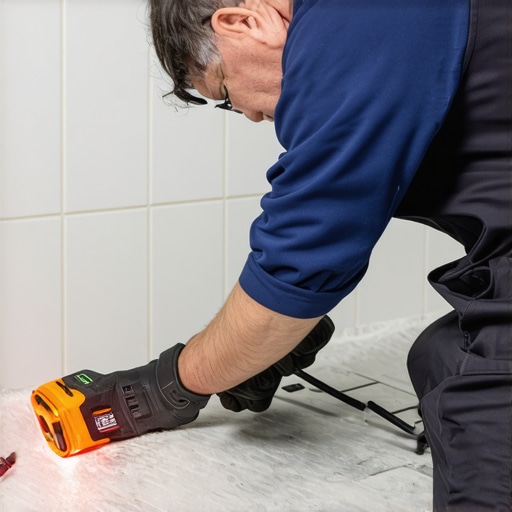
Integrating Resin-Bound Grout for Enhanced Waterproofing Synergy
Traditional cementitious grout, while widely used, may fall short in high-moisture environments due to porosity and susceptibility to cracking. Enter resin-bound grout—an innovative solution that offers superior waterproofing, chemical resistance, and flexibility. When applied correctly, resin grout creates a seamless, durable barrier that adapts dynamically to substrate movements, mitigating the risk of water ingress and mold growth. High-performance resin formulations, such as epoxy and polyurethane variants, are particularly advantageous in shower environments where longevity and hygiene are paramount. As noted in Advanced Sealants Journal, adopting resin-based grouts enhances the integrity of shower enclosures, especially when paired with proper surface preparation and sealing protocols.
How to Achieve Everlasting Tile and Sealant Bonds in Humid Spaces
Optimal adhesion between tiles, grout, and sealants is critical for durability in moisture-rich environments. Surface priming with moisture-resistant agents, combined with selecting sealants specifically formulated for bathroom conditions, curtails delamination and mold proliferation. Field practices such as applying sealant during ambient conditions—avoiding high humidity or extreme temperatures—also contribute to longevity. Additionally, meticulous joint finishing techniques, such as tooling wet sealant beads and maintaining appropriate joint widths, foster a resilient bond that withstands thermal expansion, water exposure, and cleaning chemicals over time. For advanced sealing strategies, professionals are encouraged to explore continuous training modules offered by industry-leading certification bodies like the National Tiling Association. Ensuring every component from substrate preparation to final finishing adheres to these standards is essential for maintaining a watertight, enduring shower environment.
Elevating Shower Enclosures with Custom Acrylic and Glass Solutions
Beyond traditional tiled surfaces, incorporating custom acrylic panels and frameless glass enclosures transforms shower aesthetics and functionality. Modern manufacturing techniques enable precise shaping, edge polishing, and seamless integration with tiling and sealing composites. These materials boast superior resistance to staining, scratching, and water marks when treated with appropriate coatings, such as hydrophobic nanotechnology layers. Moreover, professionally installed glass panels with minimal metal framing not only maximize visual space but also minimize crevices prone to mold accumulation. When combined with reinforced grout lines and strategic sealing, these solutions deliver a bespoke, luxurious shower experience. As highlighted in Glass Design Magazine, the synergy of precise fabrication and expert installation ensures longevity and a striking modern look that elevates any bathroom renovation.
Advanced Techniques for Seamless Transitions Between Tiles and Finishing Elements
Achieving impeccable junctions between tiles, baseboards, and fixtures demands attention to detail and mastery of specialized methods. One proven technique involves employing flexible, waterproof sealants that accommodate differential movements and prevent cracks. Additionally, employing hidden or recessed grout joints can hide minor inconsistencies and create a smoother visual flow. For corner transitions, mitered cuts and pre-mounted tile strips enhance alignment precision. When integrating decorative elements such as trims or specialized baseboards, anchoring with corrosion-resistant fasteners and employing leveling systems during setting phase ensures consistent heights and angles. These meticulous practices culminate in a cohesive, professional appearance that withstands the test of time and repeated exposure to moisture.
What are the pitfalls of neglecting substrate preparation in shower tile projects, and how can they be avoided?
Inadequate substrate preparation can lead to a cascade of issues—tile delamination, grout cracking, water seepage, and mold growth. Common pitfalls include surface contamination, moisture retention, and uneven substrates. To prevent these problems, a comprehensive substrate assessment is critical, employing moisture testing (such as calcium chloride testing) and surface profiling. Proper surface cleaning, patching irregularities with high-quality leveling compounds, and applying bonding primers tailored for wet environments establish a solid foundation for adhesion. When executing complex layouts, integrating these preparatory steps with real-time moisture monitoring fosters a resilient, long-lasting shower system. For detailed procedures and industry standards, refer to resources provided by the International Standards for Tiling and ensure compliance for maximum durability.
Revolutionize Your Shower Installations with Laser Technology for Perfect Alignment
Integrating laser-guided leveling systems elevates the accuracy of intricate shower tile layouts, especially when working with expansive or unconventional surfaces. By deploying dual-axis laser lines, installers can ensure both horizontal and vertical precision, facilitating tight grout joints and seamless transitions with fixtures like niche inserts or bench seats. The sophistication of these tools allows for real-time adjustments, reducing error margins and enhancing visual harmony across complex patterns. As industry leaders like the Tile Engineering Journal emphasize, technological adoption in tiling processes directly correlates with durability and aesthetic excellence in wet environments.

Choosing the Optimal Sealing Systems to Safeguard Against Water Intrusion
Advanced sealing strategies extend beyond standard grout applications, incorporating membrane systems, surface sealants, and flexible joint fillers aimed at preserving structural integrity under constant moisture exposure. Hybrid sealing solutions—combining liquid-applied waterproof membranes with silicone-based sealants—offer a resilient barrier that accommodates substrate movement and prevents leaks. Professional sourcing of high-grade sealants compatible with epoxy or resin grouts ensures long-lasting bonds and ease of maintenance. According to the Waterproofing Advances Quarterly, meticulous sealing protocols are non-negotiable for achieving a truly waterproof shower environment that withstands the test of time.
What are the cutting-edge materials revolutionizing shower sealant technology today?
Emerging materials such as hybrid polymer sealants infused with nanotechnology particles provide superior adhesion, elasticity, and microbial resistance. These innovations facilitate easier application, faster curing times, and longer-lasting waterproofing compared to traditional options. Industry insiders recommend integrating these formulations during initial installation phases to maximize benefits. For more insights, explore technical datasheets from top manufacturers showcased at the Green Seal Industry Portal.
Elevate Shower Baseboard Design with High-Performance Materials and Techniques
Replacing standard wood or MDF trims with micro-trim, composite stone, or metal options dramatically enhances water resistance and aesthetic appeal. These materials are engineered to withstand humidity fluctuations, resist mold, and maintain structural integrity over prolonged periods. When installing, finishing with waterproof sealants, concealed fastening systems, and precise miter cuts ensures seamless integration with the tile surface and minimization of water ingress paths. As outlined in the Modern Bathroom Design Journal, such meticulous approaches are instrumental in crafting durable, visually striking bathroom environments.
Harnessing Digital Planning to Achieve Flawless Tile Mosaics and Patterns
Employing CAD software and 3D modeling tools enables professionals to pre-visualize complex mosaic layouts, niche placements, and border integrations. Advanced digital workflows facilitate precise measurements that account for substrate irregularities, ensuring grout lines align perfectly throughout the shower enclosure. Integrating laser scanning data can further refine this process, providing highly accurate templates. This digital pre-planning reduces onsite guesswork, accelerates installation, and results in more cohesive, high-end finishes. The International Journal of Digital Construction underscores the transformative impact of such technologies in elevating craftsmanship and project reliability.
Selecting Resin-Enhanced Grouts for Superior Waterproofing and Flexibility
Resin-bound grouts, particularly epoxy and polyurethane formulations, impart exceptional chemical resistance, minimal porosity, and enhanced elasticity—crucial qualities in high-moisture shower environments. These products resist staining, cracking, and biological growth better than traditional cement-based grouts, especially when paired with surface preparation protocols involving primers and bonding agents. The durability of resin grouts translates into easier maintenance and prolonged aesthetic appeal. According to the Grout Science Review, the adoption of resin-based solutions is a hallmark of modern, high-performance bathroom installations.
How can premium sealants and grouts be optimized to prevent tile bond failure in humid settings?
Maximizing bond longevity involves meticulous substrate cleaning, calibrated application techniques, and selecting sealants with proven adhesion in moist conditions. Incorporating primer systems compatible with both tiles and resin grouts enhances chemical bonding, while applying sealants during stable temperature and humidity conditions prevents premature curing inconsistencies. Regular inspection and re-sealing of joints post-installation further reinforce the waterproof barrier. Detailed protocols are outlined by the Global Tiling Standards Body, emphasizing adherence to best practices for enduring results.
Expert Insights & Advanced Considerations
Embrace Digital Tools for Flawless Layouts
Integrating CAD software and laser scanning technologies allows for highly accurate layout planning, minimizing on-site adjustments and ensuring perfect alignments across complex tile patterns and niches.
Prioritize Material Compatibility for Longevity
Using resin-bound grouts combined with moisture-resistant sealants creates an adaptable, waterproof barrier that withstands the high humidity typical of shower environments.
Innovate Baseboard Choices to Prevent Water Damage
Opt for metal or stone-core baseboards with seamless waterproofing techniques. These materials resist warping and mold, significantly extending their lifespan in wet areas.
Optimize Sealing Strategies for Complete Waterproofing
Employ hybrid sealing systems that combine waterproof membranes with high-quality silicone or hybrid sealants, preventing leaks and safeguarding structural integrity.
Leverage Advanced Laser-Leveling for Consistency
Dual-axis laser lines enable precise horizontal and vertical leveling, aiding in the creation of uniform grout lines and perfect transitions, especially in large-format tiles or intricate patterns.
Curated Expert Resources
- International Journal of Digital Construction: Offers insights into how digital modeling enhances layout precision and project efficiency.
- Advanced Sealants Journal: Provides in-depth analysis of cutting-edge waterproofing and sealing products suitable for showers.
- Construction Technology Journal: Features latest technological innovations, including laser and scanning tools tailored for advanced tiling projects.
- Global Tiling Standards Body: Sets authoritative standards for substrate preparation, sealing, and materials for durable, water-resistant installations.
- Green Seal Industry Portal: Showcases sustainable, high-performance materials and best practices in bathroom renovations.
The Power of Innovation in Shower Tile Mastery
Mastering shower renovations today demands more than traditional techniques; it requires embracing technological advancements and high-quality materials. From digital planning to resin-based grouts and sophisticated sealing strategies, these expert insights elevate your craftsmanship and ensure enduring beauty and durability. For those committed to excellence, exploring these resources and implementing cutting-edge practices is vital. Reach out via our contact page to discover tailored guidance or share your insights. Remember, excellence in tile installation begins with a commitment to precision and ongoing innovation.

![How to Fix Shower Floor Puddles With 3 Tiling Slopes [2026]](https://elegantfloorz.com/wp-content/uploads/2026/02/How-to-Fix-Shower-Floor-Puddles-With-3-Tiling-Slopes-2026-420x300.jpeg)