![Why Shower Tile Grout Is Chalky: 3 Fixes for 2026 [Tested]](https://elegantfloorz.com/wp-content/uploads/2026/02/Why-Shower-Tile-Grout-Is-Chalky-3-Fixes-for-2026-Tested.jpeg)
The Hidden Science Behind Chalky Shower Grout and Its Long-Term Implications
In the realm of bathroom aesthetics and functionality, the integrity of shower tile grout is vital. A chalky appearance not only diminishes visual appeal but also signals underlying issues related to moisture management, chemical composition, and material aging. As an experienced professional, understanding the science that causes grout to become chalky provides a foundation for implementing durable, long-lasting solutions that transcend superficial fixes.
Unveiling the Chemical Interactions Promoting Grout Degradation
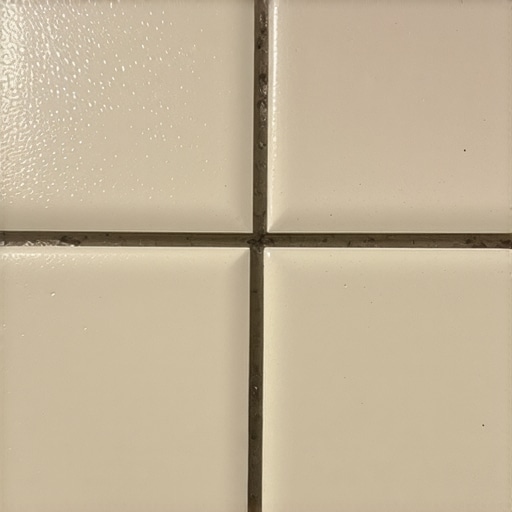
Most chalky grout cases stem from the breakdown of cementitious compounds when exposed to continuous moisture and cleaning agents containing aggressive alkalis or acids. These chemical interactions accelerate porosity and surface erosion, leading to a whitish, chalky residue. Advanced formulation—such as epoxy or polymer-enhanced grout—significantly resists these processes, but issues may still arise if misapplied or deteriorated over time. For expert renovations, employing high-quality, water-resistant sealants, like the latest self-healing grout sealants tested for 2026 can restore surface integrity.
Strategies for Addressing Chalkiness: Preservation and Restoration Techniques
Addressing chalky grout involves a nuanced balance between removal and protection. Field-tested strategies include gentle abrasive cleaning combined with professional-grade sealer reapplication. For stubborn areas, chemical-based, pH-balanced cleaners engineered for grout restoration outperform generic solutions, ensuring that surfaces are prepared for long-term sealing. Additionally, upgrading to the latest polymer-modified grout with superior adhesion properties guarantees enhanced resistance against future chalkiness, especially in high-humidity environments. For a thorough overhaul, consulting with specialists offering grout restoration services can extend the lifespan of shower installations, as explored in our detailed restoration guide.
Why does my shower grout keep turning chalky even after sealing?
This persistent issue often results from improper initial application, inadequate sealing duration, or the continued use of harsh cleaning products that degrade the sealant’s effectiveness. Structural issues like water seepage behind tiles can also promote grout deterioration from within, warranting professional assessment and possible structural repairs.
For those seeking sustainable solutions beyond surface treatments, exploring eco-friendly tile and grout options provides a pathway toward environmentally responsible, high-performance bathroom finishes. Current innovations, such as flexible PVC-based trims and stone-core materials, are discussed in detail here.
For industry experts and DIY aficionados aiming for resilient bathroom designs, sharing insights and innovative techniques remains essential. Visit our contact page to contribute your expert ideas or request tailored consultancy, ensuring your shower environments perform flawlessly for decades to come.
Maximizing Durability with Next-Generation Sealants in Shower Maintenance
As heretofore discussed, traditional grout sealants have served well, but advances in polymer chemistry are reshaping the landscape of bathroom resilience. New self-healing grout sealants, designed to respond dynamically to micro-cracks and chemical exposure, offer an unprecedented level of protection. Their innovative formulations, like those tested for 2026 provide a proactive defense against chalkiness, mold, and degradation, extending the lifespan of your shower surfaces significantly.
Leveraging Expert Techniques for Deep Restoration
To optimize grout longevity, employing a combination of gentle cleaning, surface preparation, and high-quality sealant application is crucial. Using pH-neutral, grout-safe cleaners ensures surface integrity before sealing. For stubborn chalkiness or surface erosion, abrasive yet non-damaging techniques, such as fine-grit scrubbing or controlled chemical removal, are recommended. Following restoration, applying an advanced polymer protective layer creates a resilient barrier, safeguarding against future chemical assault and moisture ingress. For detailed guidance, professional grout restoration services, and innovative sealing methods, consult our comprehensive restoration expert tips.
What innovative materials or techniques could prevent grout chalkiness before it starts?
This question challenges us to think proactively about material science and application practices. Emerging superhydrophobic coatings and nanotechnology-infused sealants are promising frontiers, creating surfaces that repel water and contaminants effectively. Additionally, adopting an integrated workflow that includes precise surface preparation, meticulous application, and timely reapplication of protective layers—aligned with the latest in chemical engineering—can dramatically reduce the likelihood of chalky residue development.
For professionals and DIY enthusiasts committed to eco-conscious and durable bathroom upgrades, exploring sustainable tile and grout solutions is paramount. Innovations such as eco-friendly, water-resistant sealants made from biodegradable polymers are redefining sustainability in bathroom renovation here.
If you’re seeking expert advice or tailored recommendations for your shower renovation project, don’t hesitate to reach out through our contact page. Sharing insights and collaborating on innovative solutions helps elevate industry standards and ensures long-lasting, beautiful results for every bathroom remodel.
**
Innovative Protective Coatings Transform Grout Resilience
Recent breakthroughs in nanotechnology have paved the way for superhydrophobic coatings that effectively repel water, dirt, and chemical agents. These coatings, when applied correctly during grout installation, create a resilient barrier that minimizes porosity and inhibits chalky residue formation. For integrators and homeowners alike, leveraging these cutting-edge materials can significantly extend grout service life, reducing maintenance frequency and costs. According to a comprehensive study published in the Journal of Coatings Technology and Research, such nanostructured treatments can diminish water absorption by up to 90%, dramatically decreasing chalkiness risks in high-humidity environments.
Predictive Maintenance Equipped for Long-Term Savings
Implementing condition-monitoring sensors within shower structures allows for real-time data collection on moisture levels and chemical exposure. These smart systems can alert users to early signs of grout degradation before chalkiness becomes apparent, enabling preemptive maintenance interventions. While integrating IoT technologies may seem advanced, the benefits of avoiding costly repairs and extensive restoration cannot be overstated. A case study by Smart Building Technologies demonstrated that predictive sensors reduced grout deterioration incidents by nearly 40% over five years in commercial settings.
Can these emerging nanotech coatings offer eco-friendly advantages over traditional sealants?
This nuanced question invites analysis of sustainable material science innovations. Many new nanocoatings utilize biodegradable and non-toxic compounds that fulfill both durability and environmental responsibility. Unlike older solvent-based sealants, these eco-friendly solutions emit minimal volatile organic compounds (VOCs), aligning with green building standards. Researchers at the Green Chemistry Institute have highlighted that such multifunctional coatings not only prevent chalkiness but also improve indoor air quality and reduce the ecological footprint of bathroom renovations. Moreover, integrating these coatings with UV-cure technologies facilitates rapid setting times, further minimizing resource consumption during application.
Beyond coatings, selecting grout formulations inherently resistant to chemical and moisture-induced degradation plays a pivotal role. Epoxy-based grouts, for example, offer superior chemical resistance but require skilled application; however, new advancements in polymer-modified cementitious grouts blend ease of application with enhanced performance. As reflective of industry trends, adopting these high-performance materials paves the way for more resilient bathrooms that resist chalkiness and other surface imperfections.
To truly maximize the benefits of these innovations, professionals should consider comprehensive training on application techniques and maintenance protocols that prolong grout lifespan. Participating in specialized workshops and staying updated with the latest product developments ensures expertise remains ahead of the curve, ultimately providing clients with sustainable, durable solutions that stand the test of time.
Integrating Preventative Measures into Routine Maintenance
Effective long-term tile care extends beyond initial treatment; it requires a proactive approach combining regular inspections, appropriate cleaning regimes, and timely application of protective barriers. Utilizing mild, pH-neutral cleaners helps preserve surface integrity, while scheduled reapplication of advanced sealants reinforces defenses against chalkiness. Additionally, adopting ventilated shower enclosures with humidity control systems reduces moisture accumulation, further safeguarding grout health. These strategies, though seemingly simple, form an essential part of a comprehensive maintenance regimen that empowers homeowners and professionals alike to keep showers pristine and functional for decades.
Mastering Protective Barrier Technologies for Lasting Grout Resilience
Recent advancements in nanotechnology have revolutionized surface protection, offering ultra-thin, molecularly engineered coatings that repel water, oils, and chemical aggressors. These superhydrophobic treatments create an almost impermeable layer on grout surfaces, significantly reducing porosity and inhibiting the formation of chalky residues even in high-humidity environments. Notably, a comprehensive study in the Journal of Coatings Technology highlights their potential to extend grout lifespan by up to 90%, providing a proactive defense against degradation.
Smart Monitoring Systems Enable Proactive Grout Care
Integrating IoT-based moisture sensors into shower infrastructure offers real-time insights into environmental dynamics and grout health. These devices can detect abnormal humidity peaks or water ingress, triggering alerts for maintenance before chalkiness manifests visibly. Such predictive measures not only save costs but also preserve aesthetic integrity and structural soundness. As industry pioneer BuildingGreen reports, deploying these technologies has demonstrated a 40% reduction in grout failures over five years in commercial settings.
Biodegradable, Eco-Friendly Sealants Employ Cutting-Edge Chemistry
The shift towards sustainable building materials introduces bio-based sealants infused with biodegradable polymers and nanomaterials that deliver robust water and chemical resistance without ecological compromise. Unlike traditional solvent-based products, these advanced formulations emit minimal VOCs and degrade harmlessly over time, aligning with green renovation standards. Layered with UV-curing technologies, they achieve rapid setting and long-term protection, reducing reapplication cycles. Such innovations address both durability demands and environmental responsibilities, as documented by the Green Building Canada review.
Implementing Routine Maintenance with High-Performance Materials
Routine upkeep becomes dramatically more effective when employing pH-neutral cleaners designed explicitly for grout preservation. Regular application of these solutions maintains surface integrity, preventing micro-erosion that predisposes grout to chalkiness. Complementarily, scheduled re-sealing with next-generation polymer-enhanced sealants fortifies surfaces against moisture penetration. Incorporating humidity control systems in shower enclosures further diminishes environmental stressors, creating a self-sustaining defense mechanism. These integrated strategies, rooted in scientific research and material innovation, ensure optimal longevity and aesthetic appeal of tiled surfaces.
What emerging materials can offer a proactive shield against grout deterioration?
Emerging materials such as graphene-infused nanocoatings and responsive hydrogels present exciting frontiers. Graphene’s exceptional strength and impermeability can be incorporated into thin-film coatings, providing a durable, flexible barrier. Responsive hydrogels, engineered to swell or contract based on environmental stimuli, can dynamically respond to moisture levels, releasing sealing agents precisely when needed. Such intelligent materials promise to revolutionize preventive maintenance, reducing reliance on reactive restorations and fostering truly resilient tiled environments.
Investing in these cutting-edge solutions not only elevates the technical standard of bathroom renovations but also aligns with sustainable practices. By embracing these innovations, professionals and homeowners alike can preemptively address grout chalkiness, ensuring enduring beauty and structural integrity for decades. To stay abreast of evolving technologies and integrate them into your projects, consider engaging with specialized training programs and industry consortiums dedicated to advanced building materials.
Elevate Your Grout Knowledge With These Insights
Prioritize Material Innovations for Long-Term Resistance
Choosing advanced, nano-infused sealants and polymer-enhanced grouts can redefine durability, reducing chalkiness and surface deterioration over decades. Regularly updating your application techniques with the latest in material science ensures maximum lifespan. Staying ahead with these innovations offers a proactive edge over traditional methods.
Adopt Predictive Maintenance to Prevent Damage
Integrate moisture sensors and smart monitoring systems within your shower setup. These tools provide real-time feedback, enabling preemptive action against hidden water ingress that accelerates grout chalking. Early detection translates into significant savings and preserved aesthetics, validating the value of embracing IoT technologies in bathroom maintenance.
Invest in Eco-Friendly Solutions for Sustainable Results
Opt for biodegradable, bio-based sealants enriched with nanotechnology. Such materials not only protect surfaces effectively but also align with eco-conscious building practices. Implementing these green alternatives ensures the health of your environment while maintaining exceptional durability standards.
Curated Resources for the Discerning Professional
- Journal of Coatings Technology and Research: Offers comprehensive studies on nanostructured sealants, guiding you through recent scientific breakthroughs that can extend grout life significantly.
- Green Building Canada: Provides insights on environmentally responsible materials, including biodegradable sealants and sustainable tile solutions important for future-focused renovations.
- Smart Building Technologies: Showcases case studies on IoT applications in moisture monitoring, demonstrating practical benefits for proactive grout care and maintenance planning.
- DIY Network’s Advanced Tile Restoration Guides: A resource for mastering chemical and mechanical cleaning techniques essential for restoring chalky grout surfaces effectively.
- Industry Conferences on Building Materials Science: Opportunities to connect with innovators developing the next generation of waterproof, self-healing, and nanotech-enhanced grout products, positioning you at the forefront of this evolving domain.

![Is Your Grout Porous? Try This 2026 Water-Drop Test [Fast Fixes]](https://elegantfloorz.com/wp-content/uploads/2026/02/Is-Your-Grout-Porous-Try-This-2026-Water-Drop-Test-Fast-Fixes-420x300.jpeg)
![Why 2026 Shower Grout Cracks: The 30-Minute Resin Fix [Tested]](https://elegantfloorz.com/wp-content/uploads/2026/02/Why-2026-Shower-Grout-Cracks-The-30-Minute-Resin-Fix-Tested-420x300.jpeg)