
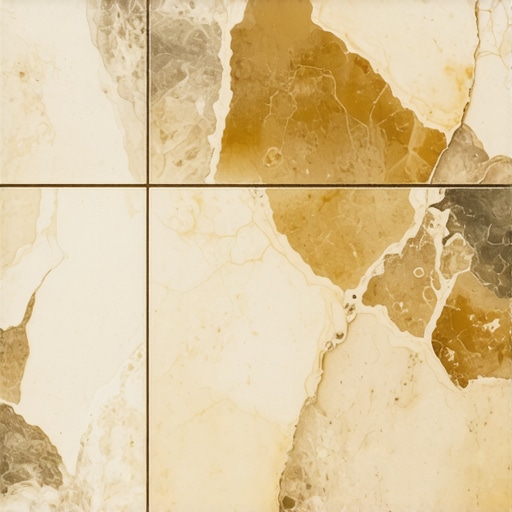
The microscopic death of a marble floor
Vinegar ruins natural stone because the acetic acid reacts chemically with calcium carbonate, creating an immediate etching effect that dissolves the surface of the tile and leaves it permanently dull. Most homeowners believe they are using a safe, green alternative, but they are actually performing a controlled chemical burn on their expensive bathroom surfaces. I once walked into a luxury master suite where the homeowner had used a heavy vinegar solution on her Carrara marble floor for three months. The stone was no longer smooth. It felt like fine-grit sandpaper because the acid had eaten away the polished finish, exposing the raw, porous structure of the stone underneath. This is not a stain that you can scrub away. It is structural damage at the molecular level. When you apply an acid to a base, you get a reaction. Marble, travertine, and limestone are essentially solid blocks of calcium. Vinegar is a diluted acid. The result is a chemical divorce where the top layer of your floor simply ceases to exist. This type of damage requires professional diamond-honing to repair, often costing thousands of dollars more than the original installation. If you want to keep your surfaces intact, you need to understand the chemistry of the products you bring into your home. This is especially true in showers where humidity accelerates chemical reactions and allows acidic vapors to linger on every surface. For better alternatives, you should look into tile cleaning tips for a sparkling bathroom in 2025 that focus on pH-neutral solutions.
The chemical reality of acetic acid on calcium carbonate
Acetic acid in vinegar targets the calcium bonds within natural stone, breaking them down into water and carbon dioxide while leaving behind a rough texture known as etching. This is the same reason geologists use acid to identify minerals. If it fizzes, it is reacting. While the fizzing on your bathroom floor might be microscopic, the impact is massive. Natural stone is a collection of minerals bound together by time and pressure. When you introduce a low-pH substance like vinegar, you are essentially reversing the geological process.
“A floor is only as good as the subfloor beneath it; deflection is the enemy of every joint.” – Master Flooring Axiom
This axiom applies to the surface as well. If the surface is compromised, the entire structural integrity of the tile is at risk. Acidic cleaners also attack the grout, which is often cement-based and equally susceptible to acid erosion. Once the grout lines are softened, moisture can penetrate the subfloor, leading to wood rot or mold growth that stays hidden for years. You might think you are cleaning, but you are actually opening the door for structural failure. This is why grout restoration secrets for long lasting results always emphasize the use of alkaline or neutral cleaners rather than pantry staples. The physics of the bond between the tile and the thin-set also relies on the stone remaining stable. If the stone begins to dissolve at the edges, the bond fails, and you end up with clicking tiles and cracked joints.
The hidden damage behind your baseboards
Acidic runoff from vinegar cleaning often seeps into the expansion gaps behind baseboards, where it can rot the wood and degrade the adhesive holding the stone in place. In every proper installation, we leave a small gap at the perimeter for expansion. If you are saturating your floor with vinegar and water, that liquid is gravitating toward those gaps. Over time, this moisture causes your baseboards to swell and pull away from the wall. I have seen countless jobs where the floor looked okay but the base of the walls was crumbling because of acidic moisture wicking. You should consider baseboards makeover ideas to elevate your space if you notice any discoloration or softening at the bottom of your trim. It is likely a sign that your cleaning routine is killing your woodwork. The chemistry of the wood finish is also not designed to withstand constant acid exposure. The finish will cloud and peel, leaving the raw wood vulnerable to the high humidity typical of a bathroom environment. In a high-end shower, this problem is even worse. The transition between the tile and the wall is a critical failure point. If your cleaner is eating the sealant at that transition, you are looking at a full tear-out in less than five years.
Why the internet is wrong about green cleaning
Most green cleaning blogs ignore the Mohs scale of mineral hardness and the porous nature of sedimentary stone, leading to advice that destroys marble and limestone. They treat all surfaces as if they were glass or ceramic. Ceramic tile is fired at incredibly high temperatures and coated in a glaze that is practically impenetrable. Natural stone is different. It is a breathing, porous material with a network of tiny capillaries. When you pour vinegar on it, the acid does not just sit on top. It sinks in. This causes internal structural stress. For those interested in sustainable living without the destruction, eco-friendly tile solutions for sustainable homes in 2025 offer materials that can handle different cleaning profiles. But if you have already committed to natural stone, you must respect its physical properties. A stone floor is a 100-year product if treated correctly, but a 5-year product if you follow the wrong advice. The obsession with vinegar as a universal solvent is a plague in the flooring industry. It is great for pickling cucumbers, but it is a disaster for a travertine floor.
| Cleaning Agent | pH Level | Effect on Natural Stone | Risk Level |
|---|---|---|---|
| White Vinegar | 2.5 | Severe Etching | Extreme |
| Lemon Juice | 2.0 | Instant Dissolution | Extreme |
| Neutral Cleaner | 7.0 | Safe Cleaning | None |
| Baking Soda | 9.0 | Mild Abrasive | Moderate |
| Ammonia | 11.0 | Strips Sealant | High |
The failure of the protective sealant barrier
Sealers are not a suit of armor; they are breathable membranes that can be stripped away by the high acidity of vinegar in a single application. People think that because they sealed their stone, they can use whatever they want. That is a dangerous myth. Sealers are designed to repel oils and water long enough for you to wipe them up. They are not designed to withstand a chemical attack from acetic acid. Once the sealer is stripped, the stone is completely naked. Every drop of water, every bit of soap scum, and every spill will sink directly into the heart of the tile. This is particularly problematic in modern showers where the stone is constantly bombarded by water. If you want to see what a properly designed space looks like, check out showers that wow modern designs for 2025, but remember that even the best design fails without proper maintenance. You can tell a sealer has failed when the stone turns dark immediately after getting wet. That is the stone absorbing water like a sponge. In a bathroom, that leads to efflorescence, which is that white, crusty salt that grows out of your grout lines. It looks like a fungus, but it is actually the minerals in your subfloor being pulled to the surface by moisture.
The checklist for stone survival
- Always use a pH-neutral cleaner specifically labeled for natural stone.
- Blot spills immediately rather than wiping them to prevent spreading the liquid.
- Ensure your bathroom has adequate ventilation to prevent acidic vapors from condensing.
- Re-seal your stone every 6 to 12 months depending on the foot traffic and water exposure.
- Dust mop your floors daily to prevent grit from scratching the soft surface.
- Inspect the interface between tiles and baseboards for signs of moisture intrusion.
The relationship between stone and humidity
High humidity in bathrooms acts as a catalyst for chemical etching, making vinegar even more destructive on stone surfaces than in dry areas. When the air is saturated with water, the acetic acid does not evaporate quickly. It stays in a liquid state on the surface longer, giving it more time to eat the calcium bonds. Furthermore, the heat from a hot shower opens the pores of the stone, allowing the acid to penetrate deeper than it would on a hallway floor. This deep penetration can cause the stone to flake or spall. I have seen limestone tiles where the entire top millimeter simply delaminated because of improper cleaning in a high-steam environment. If you are working with a small space, you might find showers with a style trendy ideas for small bathrooms useful, but regardless of size, the material science remains the same. You cannot fight chemistry.
“A stone surface is a living history of the earth; treating it with acid is an act of historical erasure.” – Stone Masonry Digest
If your grout is starting to look dingy, don’t reach for the vinegar. Learn how to refresh grout without replacing it using methods that don’t involve dissolving your floor. If you have any specific questions about your installation, you can always contact us for professional guidance before you make a mistake you can’t undo. Your floor is a structural engineering achievement. Treat it like one. Avoid the kitchen cupboard solutions and stick to the science of stone care. Your baseboards, your tile, and your wallet will thank you for the restraint.