
Why Your Kansas City Hardwood Floor Inspection Caught a Hidden Moisture Problem
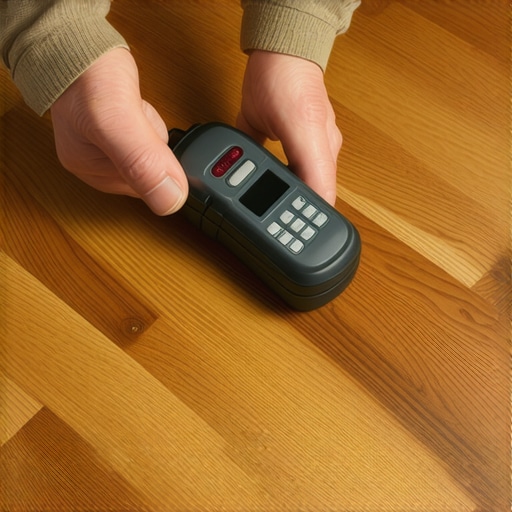
You’ve finally decided to pull the trigger on that hardwood floor refinishing kansas city project you’ve been dreaming about for years. You can already see the shimmering satin finish and the way the natural grain of the oak will pop under your living room lights. But then, the specialist arrives for the initial hardwood floor inspection kansas city, pulls out a device that looks like a stud finder, and delivers the news: “We have a moisture problem.”
To the naked eye, your floors look fine. Maybe there’s a slight creak you’ve attributed to the house “settling,” or perhaps a tiny gap that’s been there since you moved in. However, in the world of professional flooring, these are the early warning signs of an invisible enemy. My name is Justin Kelley, and at Elegant Floorz, I’ve spent decades navigating the unique environmental challenges of the Kansas City metro area. From the historic homes in Brookside to the sprawling estates in Overland Park, I’ve seen how our local climate can turn a beautiful floor into a warped, expensive headache if moisture isn’t addressed upfront.
Kansas City is notorious for its dramatic humidity swings. We oscillate from a bone-dry 10% humidity in the dead of a Missouri winter to a sweltering, tropical 90% in the middle of July. This volatility makes wood stability a unique local challenge. Wood is not a static material; it is a living, breathing organic substance that reacts to its environment. When we perform an inspection, we aren’t just looking at the surface – we are diagnosing the health of your home’s ecosystem.
The Science of “Hidden” Moisture: Why Wood Breathes
To understand why your floor failed a moisture test, you have to understand the science of wood. Wood is hygroscopic, meaning it has a natural affinity for water. It constantly exchanges moisture with the surrounding air to reach a state of balance known as Equilibrium Moisture Content (EMC).
In Kansas City, the EMC changes with the seasons. During our humid summers, the wood fibers absorb moisture from the air and expand. In the winter, when your furnace is running and the air is dry, the wood releases that moisture and shrinks. This is why you might notice your baseboards are pulling away from the floor during certain times of the year. While a certain amount of movement is normal, excessive moisture trapped beneath the surface or within the wood cells leads to structural failure.
When we talk about “hidden” moisture, we are often referring to moisture that has migrated into the wood from the subfloor or the crawl space, or moisture that was trapped during a previous, improper installation. Even if the surface feels dry to the touch, the internal moisture content could be well above the safety threshold. As I always tell my clients, “A floor is only as stable as the environment it lives in; ignoring a 2% variance in moisture today leads to a $10,000 failure tomorrow.”
How Professionals “See” the Invisible: The Technical Inspection
A professional hardwood floor inspection kansas city is far more than a visual walkthrough. It involves a suite of diagnostic tools designed to peer beneath the finish. One of the most critical tools in my arsenal is the Delmhorst J-2000 moisture meter. This device allows us to get accurate readings of the wood’s internal moisture content.
There are two primary types of meters we use:
- Pin-Type Meters: These use two pins that are driven into the wood. They measure electrical resistance between the pins to determine the moisture content at a specific depth. These are essential for identifying if the moisture is at the bottom of the plank (indicating a subfloor issue) or the top (indicating an environmental humidity issue).
- Pinless Meters: These use electromagnetic signals to scan the wood without leaving holes. They are excellent for a non-invasive broad survey of the room to find “hot spots.”
In addition to moisture meters, we often utilize thermal imaging cameras. These cameras detect temperature differentials. Because water-saturated areas retain heat differently than dry areas, thermal imaging can reveal “cool spots” behind walls or under floors that indicate slow leaks or condensation that a standard meter might miss. This is especially vital for hardwood floor installers lee’s summit residents trust, as many homes in that area are built over crawl spaces or high-water-table zones where moisture migration is a constant threat.
Before any wood is even delivered to a job site, we must ensure the ambient humidity and the subfloor moisture levels are within a strict range – typically within 2% to 4% of each other. If we ignore these readings, the wood will eventually “protest” through cupping or crowning.
The Essential Role of Hardwood Floor Refinishing Kansas City Homeowners Often Overlook
Many homeowners believe that hardwood floor refinishing kansas city is a purely aesthetic process. They think we just sand off the old stain and put on a new one. However, the sanding process actually opens up the pores of the wood. If there is high moisture content in the wood when we apply a new finish, that moisture becomes trapped.
Think of it like painting a damp piece of paper. The finish won’t bond correctly, leading to peeling, cloudiness (blushing), or a “soft” finish that scratches easily. Furthermore, if the wood is swollen with moisture when it is sanded flat, it will shrink as it dries out, leaving you with massive gaps between your freshly finished planks. This is why the inspection phase is the most critical part of the refinishing process. We aren’t just checking for beauty; we are checking for “finish-readiness.”
Common Culprits in Kansas City Homes
Why does Kansas City have such a high incidence of hidden moisture? It comes down to our geography and construction styles. Here are the most common culprits we find during an inspection:
1. Crawl Space Dampness
Many older homes in the KC metro area have dirt crawl spaces. Even if there isn’t standing water, the earth naturally releases moisture vapor. This vapor rises and is absorbed by the wooden joists and the underside of your hardwood flooring. Without a proper vapor barrier, your floor is essentially sitting on a sponge.
2. Concrete Slab “Sweating”
For homes built on concrete slabs, moisture is a constant concern. Concrete is porous. If the slab was poured without a proper moisture barrier underneath, or if the local water table rises due to heavy spring rains, moisture will wick up through the slab. This is a primary concern during luxury vinyl plank installation kansas city. While LVP is waterproof, the moisture trapped beneath it can lead to mold, mildew, and the hidden cause of damp smells under your bathroom sink.
3. HVAC and The “Stack Effect”
Kansas City homes often suffer from the “stack effect,” where warm air rises and escapes through the attic, pulling cool, moist air up from the basement or crawl space. If your HVAC system doesn’t have adequate dehumidification capabilities, your indoor relative humidity can skyrocket, causing the wood to expand beyond its limits.
Moisture Challenges During Luxury Vinyl Plank Installation Kansas City
It’s a common misconception that choosing a “waterproof” floor like Luxury Vinyl Plank (LVP) means you don’t need a moisture inspection. In reality, luxury vinyl plank installation kansas city requires even more diligence regarding subfloor moisture. Because LVP acts as a vapor retarder, any moisture coming up from a concrete slab gets trapped between the slab and the vinyl. This can lead to a “hydrostatic pressure” situation where the moisture has nowhere to go, potentially causing the adhesive to fail or mold to grow in the ridges of the locking mechanism. This is similar to why your bathroom floor tiles are starting to pop up or tent – the pressure from below has to be released somewhere.
The Consequences of Ignoring the Inspection
What happens if you ignore the warnings and proceed with hardwood floor repair Kansas City or installation anyway? The results are usually catastrophic and expensive.
- Cupping: This occurs when the bottom of the wood plank is wetter than the top. The edges of the board lift up, creating a “U” shape. You’ll feel the ridges under your feet as you walk.
- Crowning: This is the opposite of cupping. The center of the board arches upward. This often happens when a floor was sanded while it was cupped, and then it dried out later.
- Buckling: This is the most extreme reaction. The wood expands so much that it actually pulls away from the subfloor, sometimes lifting several inches into the air.
Attempting a hardwood floor repair Kansas City without addressing the moisture source is a waste of resources. You can replace the damaged boards, but if the subfloor is still wet, the new boards will simply warp to match the old ones. This is often why your Kansas City hardwood floor patch never quite matches – the moisture levels in the new wood are different from the existing floor, causing them to take stain and finish differently.
When Moisture Damage Demands Hardwood Floor Repair Kansas City
If the moisture issue is caught early, we can often save the floor. This might involve bringing in industrial dehumidifiers and high-velocity fans to “dry out” the structure before we begin the repair. However, if the wood fibers have been crushed due to extreme expansion (a condition called compression set), the wood will never return to its original shape. In these cases, localized repair is the only way to restore the floor’s integrity without a full replacement.
Solutions & Prevention: The Path Forward
A “failed” moisture inspection isn’t a death sentence for your flooring project; it’s a roadmap for doing the job correctly. Here is how we address these issues:
Acclimation is Non-Negotiable
Before any hardwood floor installation kansas city begins, the wood must acclimate. This means sitting in the room where it will be installed for 5 to 10 days (sometimes longer depending on the species). We use our moisture meters to verify that the wood has reached the “sweet spot” of the home’s environment before the first nail is driven.
Subfloor Barriers
We utilize high-quality moisture retarders like Aquabar or 6-mil polyethylene film. These barriers slow down the migration of moisture from the subfloor into the hardwood, giving the wood time to adjust to seasonal changes without dramatic movement.
Humidity Control
For Kansas City homeowners, I highly recommend whole-home humidifiers for the winter and dedicated dehumidifiers for the summer. Maintaining a consistent relative humidity between 30% and 50% will extend the life of your floors by decades.
Replacement vs. Refinishing
Sometimes, the damage is too great. If the wood has suffered from rot or extreme compression set, hardwood floor replacement kansas city becomes the more cost-effective long-term solution. However, if the moisture is controlled and the wood is structurally sound, hardwood floor refinishing overland park can often restore even the most tired-looking floors to their former glory.
Conclusion: Protect Your Investment
Your hardwood floors are one of the most valuable assets in your home. While it can be frustrating to hear that your project needs to be delayed due to a moisture problem, a professional hardwood floor inspection kansas city is the only thing standing between a beautiful renovation and a costly disaster. At Elegant Floorz, we pride ourselves on our technical expertise and our commitment to doing the job right the first time.
Don’t leave your floors to chance. If you’re planning a project or noticing changes in your wood floors, Contact Us today to schedule a comprehensive inspection with Justin Kelley. Let’s ensure your floors stay beautiful, stable, and dry for generations to come.