
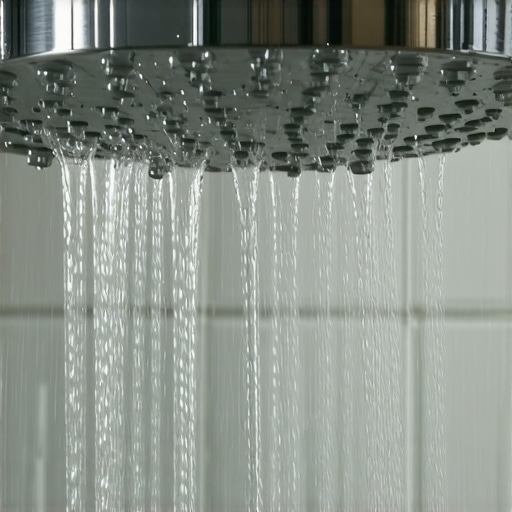
The hidden physics of failed shower pressure
I spent three days grinding concrete on a job last month just so the floor wouldn’t click like a castanet. While I was there, the homeowner asked me to look at their brand new master bath. They had just installed a high end rain head. It was a beautiful piece of hardware, but the water was barely a dribble. They thought the plumbing was broken. I knew better. I have seen this a hundred times. It was not a pipe issue. It was a construction debris issue. When the tile guys were cutting backer board and mixing thin-set right in the bathroom, they let the dust fly. That microscopic silica dust and grout residue found its way into the open plumbing lines before the trim was installed. It clogged the internal filters of a five hundred dollar fixture. It happens more than you think. This is why I treat every shower as a structural engineering challenge. If you do not protect the core, the finish will fail every single time.
The phantom restriction in your plumbing lines
A new shower head often lacks water flow because of the factory installed flow restrictor or construction debris trapped in the internal mesh filter. Local water pressure issues or a faulty thermostatic mixing valve can also starve the fixture of the necessary gallons per minute required for a satisfying spray. Most modern fixtures are designed to meet federal standards of 2.5 gallons per minute or less. When you add a tiny bit of mineral buildup or tile dust to that restricted path, the pressure vanishes. It is a simple matter of physics. You are trying to push a high volume of fluid through a bottleneck that is physically smaller than the diameter of a pencil lead. If the path is not perfectly clear, the velocity drops and you are left with a sad trickle instead of a therapeutic blast.
Why sediment is the enemy of modern valves
When we talk about water flow, we are really talking about the chemistry of your local supply and the mechanics of the valve. Hard water areas are prone to calcium carbonate buildup. This mineral does not just sit on the surface. It bonds to the internal plastic components of the shower cartridge. I have seen cartridges from houses only two years old that were completely calcified. This is especially true if the water heater is set too high. High temperatures accelerate the precipitation of minerals. If you just finished a renovation, the problem is likely grout. Grout is an abrasive. If it gets into the valve, it will score the ceramic discs. Once those discs are scratched, the valve cannot open fully. You lose pressure. You lose control. You end up with a lukewarm mess. You might need grout restoration secrets for long-lasting results to ensure your surfaces are sealed properly, but the internal plumbing requires a different kind of surgery.
“A floor is only as good as the subfloor beneath it; deflection is the enemy of every joint.” – Master Flooring Axiom
The same logic applies to your shower. The performance of the head is only as good as the pressure at the stub out. If the plumber used half inch PEX but the rain head requires a three quarter inch supply line to function at peak capacity, you are fighting a losing battle. You cannot cheat the math of fluid dynamics. People want showers that wow modern designs for 2025 but they forget to upgrade the infrastructure behind the tile. If you are planning a remodel, check your pipe diameters first. Do not expect a high flow rain head to work on a line designed for a 1970s economy fixture.
The intersection of tile and flow
Most installers think their job ends at the edge of the tile. They are wrong. The way the tile is cut around the shower arm nipple determines if you can even tighten the shower head enough to engage the gasket. If the hole is too small, the shower arm cannot sit deep enough. You get a leak behind the wall. That leak robs pressure from the head. It also rots your studs. I always tell my guys to leave enough room for the escutcheon to cover, but keep the nipple clear. Precision matters. If you are looking for showers with a style trendy ideas for small bathrooms, remember that every millimeter of space is an opportunity for a mistake. The geometry of the room dictates the plumbing layout. If you have a sharp 90 degree turn right before the shower head, you are introducing turbulence. Turbulence kills pressure.
Comparing flow rates and pressure requirements
To understand why your shower feels weak, you need to look at the numbers. Not all heads are created equal. Here is a breakdown of what different shower types actually require to perform as advertised.
| Shower Head Type | Minimum PSI | Standard GPM | Ideal Pipe Diameter |
|---|---|---|---|
| Standard Fixed Head | 30 PSI | 2.0 GPM | 1/2 Inch |
| High Flow Rain Head | 50 PSI | 2.5 GPM | 3/4 Inch |
| Handheld Sprayer | 35 PSI | 1.8 GPM | 1/2 Inch |
| Body Jet Systems | 60 PSI | 5.0+ GPM | 3/4 Inch Loop |
As the table shows, if you have a high flow rain head but your home pressure is only 40 PSI, you will never get the experience you paid for. It is a structural mismatch. You might need a booster pump. You might need to remove the flow restrictor. But most often, you just need to clean the junk out of the line. If you have been doing tile work, check the aerator. I bet it is full of white dust. Regular maintenance is the only way to keep it clear. You can find tile cleaning tips for a sparkling bathroom in 2025 that help keep the exterior looking good, but the interior needs a vinegar soak or a manual flush.
The checklist for a high pressure shower
Before you call a plumber and spend three hundred dollars for a service call, run through this list. It is what I do on every job site when a client complains about the water. It is basic, but it works.
- Unscrew the shower head and check the mesh screen for grit or blue plastic shards.
- Run the water through the shower arm without the head attached to flush the line.
- Check the flow restrictor inside the neck of the shower head; it is usually a green or white plastic disc.
- Inspect the O-ring for any crimping that might be blocking the water passage.
- Verify that the main water shut-off valve for the house is fully open.
- Test the pressure at a different faucet to see if the issue is localized or house wide.
The ghost in the expansion gap
People often ignore how the trim interacts with the shower wall. If your baseboards are poorly installed or if the transition from the bathroom floor to the shower pan is off, it can signal a larger issue with the subfloor. I have seen houses where the floor was so unlevel that the plumbing pipes were actually under tension. When pipes are stressed, the joints can slightly deform. It is rare, but it happens. If you are doing a full makeover, look at baseboards makeover ideas to elevate your space and ensure the structural integrity of the walls matches the quality of the plumbing. A shifting wall can lead to a cracked tile, which leads to a water leak, which leads to a pressure drop. It is all connected. One small gap can ruin the whole system.
The 1/8 inch that ruins everything
In the world of professional flooring and tile, we live by the 1/8 inch rule. If a subfloor is out of level by more than an eighth of an inch over ten feet, the floor will fail. Plumbing is even more sensitive. A small piece of solder or a tiny shard of PEX can get lodged in the shower head. That tiny piece of trash acts like a dam. It creates a low pressure zone. While most people want the thickest underlayment for their floors, too much cushion actually causes the locking mechanisms on LVP to snap under pressure. In plumbing, too much restriction causes the same kind of mechanical failure. The system is designed for a specific flow. When you deviate, you get noise, you get leaks, and you get a bad shower experience. If you are struggling with grout issues that might be affecting your fixtures, you can learn how to refresh grout without replacing it to keep the dust down and the water flowing.
“Deflection is the enemy. Whether it is a joist under a tile floor or a pressure drop in a copper line, stability is the only path to longevity.” – Master Flooring Axiom
I always tell homeowners to stay away from the cheap big box store specials. Those fixtures use inferior plastic internals that are prone to clogging. If you want a floor that lasts, you buy solid material. If you want a shower that lasts, you buy brass. It is that simple. Cheap materials lead to cheap results. I have spent my career fixing the mistakes of people who tried to save a buck on the things you cannot see. Do not be that person. Invest in the infrastructure. Use eco-friendly tile solutions for sustainable homes in 2025 to ensure you are using modern, high quality materials that will not degrade and clog your systems. If you need help with a complex installation, you can always contact us for professional guidance. A good floor and a good shower are the foundations of a good home. Do not let a little bit of sediment stand in the way of that. Clean your lines, check your pressure, and respect the physics of the build.