
The ghost in the expansion gap
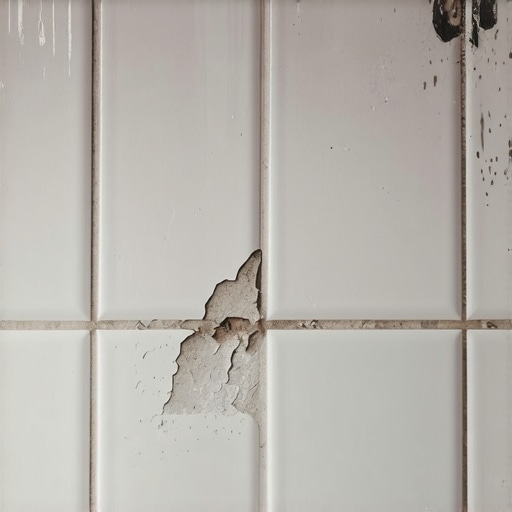
Grout cracks because of structural movement, improper substrate preparation, or a failure to account for the physics of moisture expansion. When your shower floor or walls exhibit hairline fractures, it is rarely a problem with the grout itself. It is a symptom of the framing, the subfloor, or the thin-set failing to provide a stable, rigid base for the installation. Most guys skip the leveling compound. They think the underlayment will hide the dip. It won’t. I spent three days grinding concrete on a job last month just so the floor wouldn’t click like a castanet. That same level of detail is missing in most shower builds today. If your shower was built on a subfloor with too much deflection, the grout is the first thing to snap. It is the weakest link in a rigid system that is being forced to bend. Most installers ignore the L/360 standard for floor joists. If your joists flex more than one inch over three hundred and sixty inches of span, your tile and grout are doomed from day one. This is not a matter of opinion, it is a matter of structural engineering. When you see a crack in the corner of your shower, you are looking at the house trying to breathe while being choked by a rigid ceramic shell.
Why your subfloor is lying to you
Subfloor instability and joist deflection are the primary killers of grout integrity in modern residential bathrooms. If your installer did not verify the thickness of the subflooring or the spacing of the support members, your grout will fail repeatedly. A common mistake is installing cement board directly over a single layer of plywood without a proper mortar bed. This creates air pockets. These pockets allow the board to vibrate. That vibration translates directly into the grout line, shattering the Portland cement bond at a microscopic level. I have seen million-dollar homes where the master shower grout looks like a spiderweb because the builder used half-inch OSB instead of proper exterior grade plywood. You cannot fix a structural problem with a tube of caulk. You need to understand the Young’s Modulus of the materials involved. Ceramic tile has zero flexibility. Grout has near-zero flexibility. If the wood beneath them moves even a millimeter, something has to give. In most cases, it is the grout. If you want to see what a properly planned space looks like, check out showers that wow modern designs for 2025 to understand how modern substrates are integrated. You need to ensure the substrate is flat within one-eighth of an inch over a ten-foot radius. Any more than that and you are just asking for a callback.
“A floor is only as good as the subfloor beneath it; deflection is the enemy of every joint.” – Master Flooring Axiom
The chemistry of a failed bond
Improper water ratios during the mixing process lead to soft, porous grout that lacks the compressive strength to resist cracking. When an apprentice adds too much water to the bucket to make the grout easier to spread, they are effectively ruining the polymer chains. As that excess water evaporates, it leaves behind microscopic voids. These voids make the grout brittle and prone to washing away. You want a consistency like peanut butter, not soup. If it is too wet, the pigment will also float to the top, causing splotchy colors. I have walked onto jobs where the grout was so soft I could scrape it out with a fingernail. That is a hydration failure. Furthermore, if you are not using a fortified grout with latex additives, you are relying on old technology that cannot handle the thermal expansion of a hot shower. The temperature change from a cold room to a steaming shower causes the tile to expand. If the grout cannot compress, it will crush itself. This is why many pros are moving toward high-performance epoxy or pre-mixed resins. If you are dealing with old, failing grout, you might want to look at how to refresh grout without replacing it before you decide to rip the whole thing out. But remember, refreshing the surface does not fix a rotten core. You have to address the underlying moisture levels first.
The 1/8 inch that ruins everything
Failure to include movement joints at changes of plane is the most common reason for vertical corner cracks in showers. You should never, ever put hard grout in a corner where two walls meet or where the wall meets the floor. These are called change-of-plane joints. These areas must be filled with a 100% silicone sealant that matches the grout color. Homes settle. Walls expand and contract at different rates than the floor. If you bridge that gap with rigid grout, it will crack within weeks. It is an absolute rule in the TCNA handbook. I see guys ignore this every single day because they are too lazy to carry a caulk gun. They just smear grout in the corner and hope they get paid before the first crack appears. This is especially true when dealing with baseboards makeover ideas to elevate your space near the bathroom entry. If the transition from the bathroom tile to the hallway flooring is not handled with a proper expansion gap, the pressure will transfer back into the shower pan. You need that 1/8 inch of breathing room. Without it, the entire floor system acts like a single giant plate of glass. When the house shifts, the glass breaks.
| Grout Type | Flexibility Rating | Moisture Resistance | Best Use Case |
|---|---|---|---|
| Standard Sanded | Very Low | Moderate | Large joints over 1/8 inch |
| Unsanded | Extremely Low | Low | Narrow joints, polished stone |
| High-Performance Cement | Moderate | High | Residential showers, high traffic |
| Epoxy Grout | High | Maximum | Steam showers, submerged areas |
The myth of the waterproof tile
Tile and grout are not waterproof; they are merely water-resistant surfaces that require a functional membrane underneath. Many people think that if the grout is solid, no water gets through. That is a lie. Water moves through grout via capillary action. It gets behind the tile. If your installer did not put a topical waterproofing membrane like Kerdi or Hydro Ban over the cement board, that water is soaking into the studs. Once those studs swell, they push against the back of the tile. This pressure causes the grout to pop out in chunks. I have torn out showers that looked perfect from the outside but were completely rotted behind the walls. The homeowner couldn’t understand why the grout kept cracking. It was because the wall was literally growing as the wood absorbed moisture. If you are worried about the longevity of your surfaces, you should study grout restoration secrets for long lasting results to see how to maintain a barrier. But if the membrane is missing, no amount of sealer will save you. You are just putting a band-aid on a gunshot wound. You need to ensure your installer is flood testing the pan for 24 hours before a single tile is laid. If they won’t do a flood test, fire them on the spot.
- Verify subfloor thickness meets a minimum of 1-1/8 inch total plywood.
- Check that floor joists are spaced no more than 16 inches on center.
- Ensure a movement joint is present at every change of plane.
- Use a digital moisture meter to check studs before hanging board.
- Mix grout with a low-speed drill to avoid introducing air bubbles.
- Apply a high-quality penetrative sealer every 12 months.
The regional reality of humidity
Local climate plays a massive role in how your shower materials behave during the curing process and beyond. In a place like Houston, the high ambient humidity means your thin-set and grout take twice as long to cure. If you rush to use the shower, you are trapping moisture in the mortar bed that will eventually try to escape, blowing the grout joints out. Conversely, in a dry environment like Phoenix, the grout can dry too fast. If it dries before the chemical hydration is complete, it becomes chalky and weak. I always tell people to keep the bathroom door closed and maybe even use a humidifier in dry climates to slow down the cure. You want that cement to stay wet as long as possible to reach its maximum Janka-equivalent hardness. Also, consider the impact of your home’s trim. Using chic baseboard designs that transform rooms in 2025 can help hide the necessary expansion gaps at the floor-to-wall transition outside the wet area. You have to think about the whole room as a moving organism. If you treat it like a static box, it will fail. Proper maintenance is also a factor. Using the right products, such as those mentioned in tile cleaning tips for a sparkling bathroom in 2025, ensures you aren’t eating away at the grout with harsh acids. Acidic cleaners strip the polymers out of the cement, leaving it brittle. Once it is brittle, it cracks. It is a simple cycle of neglect that leads to a full remodel. If you value your investment, look into eco friendly tile solutions for sustainable homes in 2025 for materials that handle these stresses better. Always remember that a shower is a machine for managing water. If any part of the machine is out of alignment, the whole system breaks down.
“Movement joints are not optional; they are the safety valves of a tile installation.” – TCNA Handbook Method EJ171