
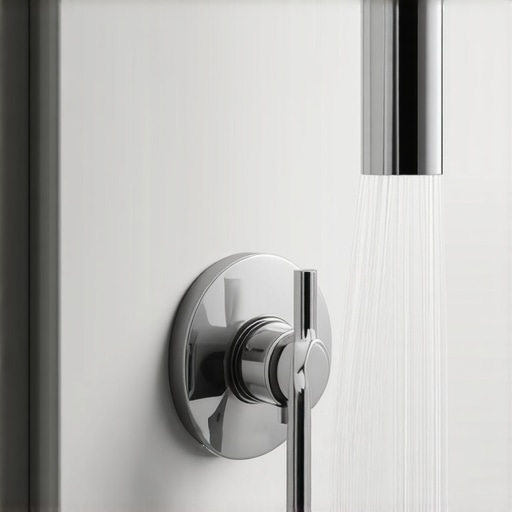
The physics of water hammer in tile showers
Shower valve hammering occurs when the kinetic energy of moving water is suddenly interrupted by a closing valve, causing a pressure surge known as water hammer. This phenomenon involves hydraulic shock waves traveling through copper or PEX pipes at high velocity, resulting in audible banging and structural vibrations within your bathroom walls.
I have spent twenty-five years on my knees, crawling through subfloors and grinding down concrete to ensure every installation is perfect. I have seen it all. Last year, I walked into a job where a homeowner complained about their grout cracking in a brand-new walk-in shower. They thought the tile guy messed up the mix. I turned on the water, shut it off, and the wall sounded like a drum kit. The plumbing was unsecured, and the water hammer was literally shaking the tiles off the thin-set. Most guys skip the leveling compound or ignore the pipes. I spent three days reinforcing that framing just so the floor and walls would not click like a castanet. A shower is a structural machine, not just a place to wash your hair. When you hear that bang, you are hearing the sound of your substrate slowly failing under mechanical stress. Most people think a little noise is just a quirk of an old house. It is not. It is a warning. That hammering is a shockwave that travels at over 4,000 feet per second through your plumbing. Every time it hits, it exerts hundreds of pounds of pressure on your pipe hangers and your tile assembly. If you ignore it, you will eventually be looking for grout restoration secrets for long lasting results because the vibration will turn your grout into powder.
The hidden mechanical cost of water velocity
Water velocity in residential plumbing should never exceed five feet per second to prevent excessive noise and pipe erosion. When a fast-acting shower valve closes, the momentum of the water must go somewhere, transforming into a pressure spike that can reach three times the normal operating pressure of sixty PSI.
The chemistry of your bathroom depends on stability. Think about the bond between your tile and the backer board. Modern modified thin-sets are designed to handle a specific amount of shear and tension. They are not designed to be a shock absorber for a vibrating copper pipe. When your shower valve slams shut, that pipe wants to jump. If it is touching the backer board, it transfers that energy directly into the tile. Over time, this leads to debonding. You might notice your tile cleaning tips for a sparkling bathroom in 2025 are not working because the dirt is actually mold growing in micro-cracks caused by this movement. I have seen entire rows of subway tile pop off the wall because of a faulty pressure-balancing spool. The spool is supposed to regulate the mix of hot and cold. When it fails, it can vibrate at a frequency that matches the resonance of the wall. It is basic physics. If you want showers that wow, you have to look past the aesthetic and look at the engineering. You need to check the pressure at the main regulator. If your home pressure is over 80 PSI, you are asking for trouble. It is like driving a truck into a brick wall at sixty miles per hour and wondering why the headlights broke. The plumbing is the truck, and your tile is the wall.
“A floor is only as good as the subfloor beneath it; deflection is the enemy of every joint.” – Master Flooring Axiom
The ghost in the expansion gap
Expansion gaps are required at every perimeter and change of plane to allow for the natural movement of building materials under thermal and mechanical load. In a shower, the gap between the tile and the baseboard or the floor and the wall must be filled with 100 percent silicone sealant rather than rigid grout.
I have seen homeowners try to save a few bucks by grouting the corners. Then they wonder why the grout is falling out in chunks. When your pipes hammer, the whole wall assembly moves. If you do not have a proper expansion joint at the base, that movement has nowhere to go. It will buckle. You need to look at chic baseboard designs that transform rooms in 2025 to see how we hide those gaps today. We use baseboards not just for looks, but to provide a mechanical cover for the space that allows the floor and wall to move independently. If your shower is hammering, it is putting extra stress on these joints. I always tell my clients that a floor is a living thing. It breathes. It shifts. If you lock it down with rigid materials and then hit it with a water hammer every morning, it will break. I smell the wet dust of a failing shower every time I walk into a house with this problem. It is the smell of money being wasted because someone did not install a ten dollar hammer arrestor. These small devices contain a bladder of air that acts as a cushion. They are the shock absorbers of the plumbing world.
The structural reality of pipe vibration
Pipe vibration occurs when the mechanical fasteners securing plumbing to the framing are loose or spaced too far apart. According to standard building codes, vertical pipes should be supported at every floor level and horizontal runs should have hangers every thirty-two to forty-eight inches depending on the pipe material.
When I am building a subfloor for a high-end tile job, I check the plumbing myself. I do not trust the guys who just throw some plastic straps on and call it a day. I want to see copper clad bells or heavy-duty plastic clamps that actually grip the pipe. If a pipe can move even a sixteenth of an inch, it will create a noise. That noise is the sound of friction. Friction leads to pinhole leaks. Pinhole leaks lead to subfloor rot. I have replaced entire plywood decks because a hammering pipe eventually wore a hole in itself, leaking water for months before it was noticed. This is why baseboards makeover ideas to elevate your space often involve more than just paint. Sometimes we have to rip the baseboards off to get to the bottom of the wall and secure the plumbing. It is a messy job, but it is the only way to do it right. While most people want the thickest underlayment, too much cushion actually causes the locking mechanisms on LVP to snap under pressure. The same logic applies to plumbing. You do not want “cushion” in your pipes. You want them rigid and secured.
| Pipe Material | Expansion Rate (per 100ft) | Typical Max Velocity | Noise Dampening Rating |
|---|---|---|---|
| Copper | 1.1 inches per 100°F | 5-8 FPS | Low |
| PEX | 9.6 inches per 100°F | 2-4 FPS | Medium |
| Cast Iron | 0.7 inches per 100°F | 10+ FPS | High |
Why your subfloor is lying to you
Subfloors may appear level to the naked eye but often contain dips and peaks that exceed the industry standard of one-eighth inch over ten feet. These imperfections are magnified when plumbing vibrations transmit through the joists, causing the flooring material to resonate or click against the high spots.
I have spent days with a straightedge and a grinder. If the subfloor is not flat, the floor will fail. When you have a hammering shower valve, the vibration travels down the wall studs and into the floor joists. If your floor is floating, like a click-lock vinyl or an engineered hardwood, that vibration can cause the planks to shift slightly. Over time, this wears down the locking profile. You might start to see gaps at the ends of your planks. You will think it is a humidity issue. It might be. But it could also be the constant micro-shocks from your plumbing. If you are looking at showers with a style trendy ideas for small bathrooms, remember that smaller spaces often mean tighter plumbing bends. Tight bends increase water turbulence. Turbulence increases noise. It is a cycle that leads to failure. I always recommend installing a water pressure regulator where the main line enters the house. Keep it at 55 PSI. That is the sweet spot for performance and longevity.
- Install water hammer arrestors directly at the shower valve inlets.
- Replace worn-out pressure balancing spools in the shower cartridge.
- Check the home water pressure with a gauge at an outdoor bib.
- Secure any accessible pipes with cushioned clamps to dampen vibration.
- Ensure all tile transitions use flexible silicone rather than hard grout.
The 1/8 inch that ruins everything
A single eighth of an inch of movement in a plumbing line can be enough to crack the bond between a tile and its substrate. This structural failure begins at the microscopic level with capillary cracks that eventually allow moisture to penetrate the wall cavity and rot the framing.
I once saw a walnut floor that was ruined because the owner ignored a hammering noise in the master bath. The vibration caused a slow leak at a compression fitting. By the time they saw the water, the subfloor was saturated and the walnut was cupping like a potato chip. They lost fifteen thousand dollars because they did not want to spend two hundred dollars on a plumber. You have to respect the chemistry of the house. The adhesives, the wood, the grout, they are all working together. If you introduce a mechanical shock, you break that harmony. If your shower is making noise, take the handle off, remove the trim plate, and look inside. If you see the pipe moving when the water turns off, you need to brace it. Use expanding foam if you have to, though a solid block of wood is better. If you want eco-friendly tile solutions for sustainable homes in 2025, the best thing you can do is make your installation last forever. Replacing a floor every ten years because of bad plumbing is not eco-friendly. It is a waste. Fix the hammer, save the floor, and keep your grout intact. If you need more help, you can always how to refresh grout without replacing it once the vibration is gone.
“Water hammer is not just a sound; it is the physical manifestation of hydraulic energy seeking a path of destruction through your framing.” – Structural Plumbing Review