
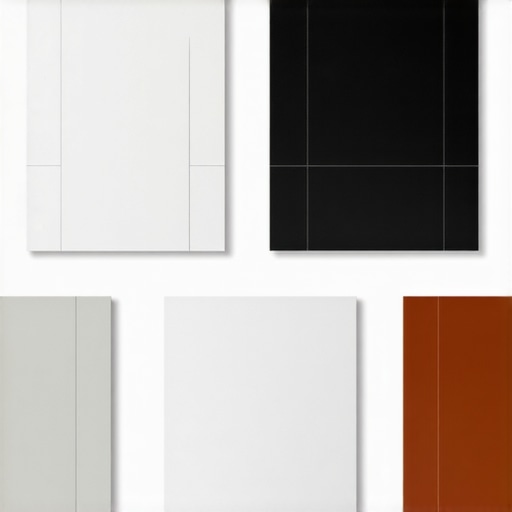
The science of hiding floor debris through strategic tile selection
Most guys skip the leveling compound. They think the underlayment will hide the dip. It won’t. I spent three days grinding concrete on a job last month just so the floor wouldn’t click like a castanet. That job taught me that homeowners care about the finish, but they suffer when the mechanics are wrong. When we talk about tile colors that hide hair and dust, we are really talking about visual camouflage and the physics of light reflection. If you pick a high-gloss jet black tile, you are essentially installing a mirror for every skin cell and pet hair that falls. You want a surface that breaks up the light and mimics the organic tones of the debris itself.
The taupe and sand color advantage
Taupe tile colors hide hair and dust by utilizing a mid-tone neutral palette that matches the organic tint of most household particulates. These shades fall in the middle of the value scale, meaning they do not provide the high contrast required for a single hair or a layer of gray dust to stand out to the human eye. Taupe is the ultimate workhorse in high traffic areas where daily sweeping is not an option. The molecular structure of the glaze on these tiles often incorporates a matte finish, which further diffuses light and prevents the sharp shadows that make dust bunnies look like small mountains. If your subfloor has a deflection rating of L/360 or better, a large format taupe porcelain is your best friend for a clean-looking home. This color range works specifically well because it mimics the natural earth tones found in tracked-in soil. When we look at the mineral composition of a porcelain tile, the pigments are fired at temperatures exceeding 2,000 degrees Fahrenheit. This creates a permanent bond that will not fade, ensuring your camouflage remains effective for decades. I often see people obsessing over the exact shade of beige, but the secret is in the movement of the color. A monochromatic sand color is fine, but a sand color with slight tonal shifts is better. These shifts replicate the natural variations of the earth and hide the inevitable buildup of household grit between deep cleanings.
“A floor is only as good as the subfloor beneath it; deflection is the enemy of every joint.” – Master Flooring Axiom
The gray area that saves your sanity
Medium gray tiles with movement provide the best balance for hiding both light-colored pet hair and dark-colored lint or debris. By choosing a gray that is neither too dark nor too light, you are operating in the sweet spot of the visual spectrum where most household dust resides. Avoid solid, flat grays that look like wet cement. Instead, look for tiles that have a salt and pepper effect or a simulated stone texture. The way light hits a textured gray surface is different from a flat surface. On a flat surface, the light reflects evenly, making any obstruction like a hair or a dust mite pop in high relief. On a textured gray tile, the light is scattered in multiple directions, effectively burying the debris in the visual noise of the tile itself. This is why I always tell my clients to look at their potential tile under the actual lighting of their home. A showroom with 5000K LED lights will make everything look different than your 2700K warm home lights. In the context of tile cleaning tips for a sparkling bathroom in 2025, starting with a medium gray base reduces the psychological pressure to scrub every single day. The chemical resistance of modern porcelain glazes also means that even if you miss a few days of cleaning, the dust won’t chemically bond or stain the surface. You are looking for a PEI rating of 4 or 5 for these high-traffic gray areas to ensure the finish doesn’t wear down and lose its refractive properties over time.
The speckled terrazzo pattern for total camouflage
Speckled or terrazzo patterned tiles are the gold standard for hiding hair and dust because they utilize a high-frequency visual pattern that confuses the eye. These tiles consist of various chips of marble, quartz, or glass embedded in a cementitious or resinous base, or a porcelain lookalike that mimics this chaotic aesthetic. When a strand of hair falls on a terrazzo floor, it simply becomes another line in the complex geometry of the pattern. It is the architectural equivalent of a ghillie suit for your kitchen floor. I have seen guys install these in commercial lobbies where thousands of people walk daily, and the floors still look pristine at the end of the shift. From a structural standpoint, many of these tiles are incredibly dense. If you are installing these in showers that wow modern designs for 2025, make sure you are using a high-quality modified thin-set. The bond strength needs to be high because terrazzo-style porcelain often has a very low absorption rate. You also need to consider the grout. If you use a dark grout with a light speckled tile, you create a grid that catches the eye. If you use a matching grout, the floor becomes a continuous field of camouflage. This is where grout restoration secrets for long lasting results come into play, keeping those lines clean so the pattern can do its job.
The weathered wood look for organic hiding
Wood-look porcelain tiles in driftwood tones hide hair and dust by using the linear grain of the wood pattern to mask long, thin debris like human or pet hair. The variegated colors within a single plank, ranging from light ash to deep charcoal, create a complex surface where dust is virtually invisible. Unlike real hardwood, which can show scratches and dust in the deep grooves of the grain, porcelain wood-look tiles have a controlled texture that mimics the look without the maintenance headache. When I install these, I make sure the subfloor is perfectly flat. If you have a hump in your slab, these long planks will lippage like crazy, and every edge will become a dust-catching shelf. You want a 1/3 offset or less to minimize this. The physics of these tiles is interesting because the digital printing technology used today allows for hundreds of unique planks. This lack of repetition is what helps hide the dust. If every tile looked the same, your eye would eventually spot the one piece of hair that breaks the pattern. With wood-look tiles, the pattern is already broken and organic. This is also a great choice for bathrooms where you want the warmth of wood but the moisture resistance of tile. When paired with chic baseboard designs that transform rooms in 2025, you create a cohesive look that masks the inevitable accumulation of floor debris along the perimeter.
| Tile Color Type | Hair Hiding Ability | Dust Hiding Ability | Recommended Texture |
|---|---|---|---|
| Sand / Taupe | High | Very High | Matte / Natural |
| Medium Gray | High | High | Speckled / Stone |
| Speckled Terrazzo | Elite | Elite | Polished or Matte |
| Weathered Wood | Very High | High | Textured Grain |
| Earthy Charcoal | Medium | High | Slate / Riven |
The charcoal slate and riven texture
Charcoal tiles with a riven or slate texture hide dust by using shadows and physical depth to mask the presence of fine particles. While very dark tiles usually show everything, a charcoal tile with a heavy texture creates micro-shadows. These shadows are darker than the dust itself, effectively swallowing the particles in the visual depth of the tile. This is a bold choice, but it requires the right lighting. If you have direct, low-angle sunlight hitting the floor, the texture will actually highlight the dust. You need diffused overhead lighting to make this work. From a technical perspective, slate-textured porcelain has a high Coefficient of Friction (COF), making it safe for wet areas. However, that same texture can be a bit more difficult to mop if you don’t have the right equipment. You want to avoid using a string mop that will snag on the riven surface. Use a microfiber flat mop that can glide over the peaks while reaching into the valleys of the tile. This color and texture combo is perfect for mudrooms where heavy dirt is tracked in. The dirt looks like part of the stone. If you are worried about the longevity of the installation, ensure your installer is using the back-buttering method to get 95 percent coverage. Air pockets under a textured tile like this are a recipe for cracks if someone drops a heavy pot or tool.
Strategic maintenance checklist for tile longevity
- Vacuum with a brush-roll-off setting to avoid scratching the tile glaze while removing abrasive grit.
- Use a pH-neutral cleaner to prevent the breakdown of grout sealers over time.
- Match your grout color to the darkest tone in your variegated tile to hide dirty grout lines.
- Install walk-off mats at all exterior entrances to capture 80 percent of dust before it hits the floor.
- Inspect expansion joints at the perimeter twice a year to ensure the tile has room to breathe.
- Steam clean grout once a year to lift deeply embedded oils that attract dust.
The ghost in the expansion gap
Expansion gaps are not a suggestion. They are a requirement of the TCNA and NWFA for a reason. Every material expands and contracts with temperature changes. If you bury your tile tight against a wall or a heavy kitchen island, you are asking for the floor to tent. When the floor tents, it creates small cracks in the grout. Those cracks then become magnets for dust and hair. You can clean the surface all day, but if the structural integrity of the installation is compromised, the floor will always look dingy because the grout lines are failing. I always leave a quarter-inch gap at the perimeter and cover it with baseboards. This allows the entire assembly to move as a single unit. The chemistry of the thin-set also matters here. A high-polymer modified mortar will have some flexibility, but it cannot overcome a lack of expansion joints in a large room. If your room is longer than 25 feet, you need an internal movement joint. People hate the look of them, but they hate cracked tile more. A professional installer knows how to hide these joints under transitions or color-match them with silicone caulk that looks like grout. This attention to detail is what separates a floor that looks good for a month from a floor that looks good for a lifetime.
“Grout is not a structural component; it is a sacrificial element designed to fill the void while allowing for microscopic movement.” – Master Flooring Axiom
Why your subfloor is lying to you
A subfloor might look flat, but a ten-foot straightedge usually tells a different story. If you have a dip of more than an eighth of an inch over ten feet, your tile is going to have issues. For large format tiles, which are the best for hiding dust because they have fewer grout lines, the tolerance is even tighter. If the subfloor is not flat, the tile will lippage. Lippage creates a physical edge that acts like a scraper, catching every piece of lint and hair that passes over it. No matter what color tile you choose, if the installation is uneven, the shadows cast by the lippage will make the floor look dirty and poorly maintained. I spend a significant portion of my budget on self-leveling underlayment because it is the only way to guarantee a surface that is truly ready for tile. We also have to talk about moisture vapor transmission. If you are on a concrete slab, moisture is coming up through that stone. If you don’t have a vapor barrier or a moisture-mitigating primer, that moisture can carry minerals to the surface, a process called efflorescence. This white, powdery substance will ruin the look of your beautiful taupe or gray tile. It looks like dust, but you can’t just sweep it away. It is a chemical deposit that requires acid cleaning to remove. Do the prep work right, or don’t do the job at all.
The 1/8 inch that ruins everything
Grout width is the final frontier of hiding dust. Most people want the thinnest grout lines possible, but if your tile isn’t rectified (meaning the edges aren’t ground to an exact size), a tiny grout line will highlight every imperfection in the tile’s dimensions. I recommend a 1/8 inch grout line for most camouflage tiles. This width is small enough to be unobtrusive but large enough to allow the grout to properly bond to the sides of the tile. Using a high-performance grout like an epoxy or a single-component resin grout is the way to go for low maintenance. These grouts are non-porous. Unlike traditional cement grout, which has microscopic holes that trap dust and skin cells, these modern grouts are smooth at a molecular level. Dust sits on top rather than getting embedded. If you find your current grout is a disaster, you can look into how to refresh grout without replacing it. Sometimes a good deep clean and a color-seal can change the entire personality of the room. It can take a floor that looks perpetually dusty and make it look brand new. Remember that the color of the grout should be slightly darker than the tile itself. Light grout with dark hair is a nightmare, but medium-toned grout with any hair is a win. It is all about managing the contrast and ensuring the eye isn’t drawn to the floor’s imperfections.