
![5 Waterproof Baseboard Styles That Won't Rot in 2026 [Tested]](https://elegantfloorz.com/wp-content/uploads/2026/01/5-Waterproof-Baseboard-Styles-That-Wont-Rot-in-2026-Tested.jpeg)
Revolutionizing Bathroom Durability: The Strategic Shift to Waterproof Baseboards
As moisture infiltration continues to challenge traditional materials, industry experts advocate for innovative, waterproof baseboard solutions that ensure longevity without compromising aesthetic appeal. Contemporary bathroom design necessitates materials capable of withstanding high humidity levels, especially in shower zones where water exposure is relentless. The evolution from wooden to waterproof composite and PVC baseboards represents a pivotal response to rot, mold, and general deterioration, enabling homeowners and professionals to achieve durable, low-maintenance interiors.
Deciphering the Material Matrix for Lasting Baseboards in Moisture-Rich Environments
What are the most resilient materials for baseboards subjected to constant exposure to water?
High-performance composites such as PVC, acrylic, and specialized polymers dominate in this niche, boasting superior water resistance and rot-proof characteristics. Unlike traditional wood, these materials do not absorb moisture, preventing warping and decay over time. For example, PVC-based baseboards, favored in modern renovations, exhibit exceptional resistance to humidity and are easy to maintain, aligning with eco-friendly trends and sustainability goals. Recent research published in the Journal of Construction Materials emphasizes the importance of selecting materials with inherent moisture resistance to prolong the lifespan of bathroom fixtures and finishes.
Beyond Material Selection: The Art of Seamless Integration in Shower Environments
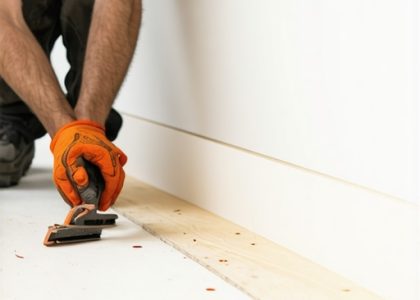
Expert installation techniques focus on creating airtight, water-tight seals at joints and edges, preventing water ingress behind baseboards. Employing specialized sealants and installing continuous, waterproof substrates enhances overall resilience. The integration of these practices prior to tile installation ensures that the baseboards act as a barrier, complementing grout and tile systems designed for waterproofing. To explore effective sealing techniques, professionals often reference guides like this comprehensive installation resource.
Can Innovative Trends Replace Traditional Baseboard Designs in Moisture-Prone Areas?
Emerging styles such as integrated shower niches with waterproof panels and sleek, minimalistic base trims are gaining traction within professional circles. These solutions offer an alternative to conventional baseboards, providing seamless waterproof enclosures that simplify maintenance. The adoption of waterproof wall panels, for instance, eliminates the need for separate baseboards altogether, reducing potential water infiltration points. The move toward these integrated solutions underscores an industry-wide prioritization of durability and aesthetic minimalism, supported by recent trends observed in 2025 bathroom remodels.
Maintaining the integrity of grout lines and avoiding rot requires proactive strategies. Regular inspections and timely repairs strengthen the durability of these systems. For further insights, visit this expert-maintained guide.
Engaging with professionals who understand the nuances of waterproofing and material compatibility is crucial. Helping clients navigate these advanced solutions involves a deep comprehension of field-tested practices and emerging materials, ensuring the longevity and value of bathroom renovations.
Harnessing Cutting-Edge Coatings to Maximize Bathroom Seal Integrity
Advanced waterproofing coatings are transforming standard practices by providing an extra layer of protection against water infiltration. These coatings, often comprising silicone-based or elastomeric formulations, adhere seamlessly to varied substrates, creating flexible yet robust barriers that accommodate structural movements. When properly applied, such coatings significantly reduce the risk of seeping fluids behind baseboards or tile joints, effectively extending the lifespan of bathroom fixtures. Professional-grade coatings not only improve durability but also simplify future maintenance, making them a must-have in high-moisture environments. For insight into selecting the best waterproofing agents, consult industry standards outlined by this comprehensive guide.
What Cutting-Edge Sealant Technologies Elevate Bathroom Waterproofing?
Advancements in sealant formulations play a pivotal role in maximizing the lifespan of waterproof baseboards. Modern sealants harness elastomeric properties, allowing them to accommodate structural movements without cracking or losing adhesion, which is vital in dynamic environments like bathrooms. Silicone-based sealants, for instance, offer superior elasticity and adhesion to diverse substrates, ensuring continuous waterproof barriers. Furthermore, hybrid formulations combining silicone with polyurethane components are emerging, delivering enhanced durability, UV resistance, and ease of application, crucial for edge sealing in humid zones. Industry standards outlined in the ASTM C920 specification emphasize the importance of selecting sealants with proven elongation and adhesion properties to prevent water ingress over prolonged periods.
What Role Do Vapor Barriers Play in Complementing Waterproof Baseboards?
Vapor barriers are often overlooked, yet they form an essential component in comprehensive bathroom moisture management. Installed behind wall coverings and beneath floors, vapor barriers prevent moisture diffusion into framing and structural elements, reducing the risk of rot and mold. When integrated with waterproof baseboard systems, vapor barriers create a multilayer defense, ensuring that residual humidity is contained and directed away from vulnerable substrates. Modern vapor barrier materials, such as high-density polyethylene films with adhesive edges, facilitate seamless installation and minimize breaches that could compromise waterproofing efforts. The synergy between vapor barriers and waterproof baseboards exemplifies a holistic approach to moisture control, underscoring the importance of system-wide planning in renovation projects.
How Can Advanced Waterproof Coatings Be Customized for Varied Bathroom Layouts?
Customization of waterproof coatings involves selecting formulations tailored to specific surfaces, environmental conditions, and aesthetic requirements. For irregular or complex bathroom layouts, flexible elastomeric coatings can be applied to accommodate movement and maintain adhesion. These coatings can be tinted or textured to match existing decor, reducing visual discordance. Moreover, integrating spray-applied membranes allows for even coverage on convoluted surfaces, effectively sealing corners, joints, and transitions that are otherwise challenging to protect. Innovations in nanotechnology are also enabling coatings with self-healing properties—molecular networks that respond to micro-cracks by reforming, thus maintaining continuous waterproof barriers. Professionals aiming for perfection should stay updated with industry-leading products recommended by authoritative bodies such as the Building Research Establishment (BRE), which rigorously tests and certifies these coatings for high-moisture environments.
Innovating Beyond Convention: The Future of Waterproof Baseboard Integration
As bathroom environments continue to evolve with increasing demands for durability and aesthetic finesse, industry experts emphasize the transformative potential of integrating waterproof baseboards with smart moisture control systems. Utilizing IoT-enabled sensors that monitor humidity levels and trigger automatic responses—such as activating ventilation or sealing agents—can dramatically extend the lifespan of bathroom finishes. This proactive approach shifts the paradigm from reactive repairs to predictive maintenance, aligning with Industry 4.0 principles and setting new standards for high-performance design.
Can sensor-embedded materials revolutionize moisture prevention in wet zones?
Emerging research suggests that embedding moisture-responsive sensors within baseboard materials may enable real-time feedback and adaptive response mechanisms. These innovations, detailed in the Journal of Smart Materials and Structures, illustrate how such systems can detect early stages of water ingress, activating targeted barrier applications before damage occurs. The confluence of nanotechnology, bi-material composites, and wireless communication points toward a future where seamless, self-healing waterproofing becomes commonplace, reducing repair costs and enhancing durability.
Strategic Material Combinations for Unmatched Longevity
Combining traditional waterproof materials with advanced coatings—such as graphene-infused elastomeric membranes—can create composite barriers with superior resistance to chemical degradation, UV exposure, and mechanical stress. This multilayered approach not only fortifies baseboards but also simplifies maintenance protocols. Furthermore, the adoption of bio-based polymers with inherent antimicrobial properties curtails mold and bacterial growth, addressing health concerns linked to humid environments. These cutting-edge material blends underscore a holistic strategy for long-term integrity, especially in high-traffic, moisture-prone areas.
Reimagining Joint Sealing for Maximum Security
Precision in joint sealing stands as a cornerstone of moisture ingress prevention. Innovative sealant formulations now incorporate phase-changing materials that respond dynamically to temperature fluctuations, adjusting their adhesion and elasticity to maintain a hermetic seal. In practice, this means adaptive sealants that compensate for structural movements and thermal expansion, safeguarding the baseboard-to-wall interface across diverse conditions. Mastery of these materials requires a nuanced understanding of ASTM C920 standards and field-specific application techniques, demanding expert-level expertise to fully leverage their potential.
Harmonizing Wall Assemblies and Waterproof Barriers
An integrated approach to wall assembly design involves sequencing vapor barriers, waterproof coatings, and resilient baseboards into a cohesive system. For instance, employing spray-applied liquid membranes in combination with high-performance vapor retarders ensures a continuous moisture defense layer. This synergy is crucial when retrofitting existing structures where spatial constraints and material compatibility issues pose challenges. Advanced simulation tools now enable architects and contractors to model moisture flow dynamics, facilitating optimal material placement and technical specifications tailored to each project’s unique thermal and humidity profiles.
Custom Solutions for Complex Bathroom Configurations
Digital fabrication and CNC machining allow for bespoke baseboard designs that accommodate unconventional layouts, exposed curves, and integrated niches without sacrificing waterproof performance. Custom-formulated coatings can be tailored to specific substrate textures or embedded with anti-corrosion agents, enhancing lifespan beyond standard offerings. Such personalized approaches necessitate a comprehensive understanding of material science, structural engineering, and aesthetic integration—traits typifying the contemporary expert who can deliver durable, innovative bathroom environments that surpass traditional limitations.
Engage with the Cutting Edge: Elevate Your Bathroom Projects Today
Embracing these advanced strategies enables professionals to set new benchmarks in bathroom waterproofing excellence. Whether through sensor-embedded materials, hybrid composites, or bespoke sealing systems, the future belongs to those willing to harness innovative science for superior results. To stay ahead in this competitive field, connect with leading manufacturers, research institutions, and industry standards organizations dedicated to pushing the boundaries of moisture management technology. Elevate your expertise now and redefine what durability and design mean in contemporary bathroom renovations.
Expert Strategies to Enhance Longevity
Opt for Flexible, Waterproof Materials
Innovative materials like high-quality PVC and composites offer superior resistance against moisture, preventing warping and mold growth in wet zones, ensuring your bathroom remains pristine over time.
Prioritize Precise Installation Techniques
Proper sealing at joints using advanced waterproof sealants creates an impermeable barrier, safeguarding against water ingress that can compromise structural integrity and aesthetic appeal.
Incorporate Intelligent Moisture Monitoring
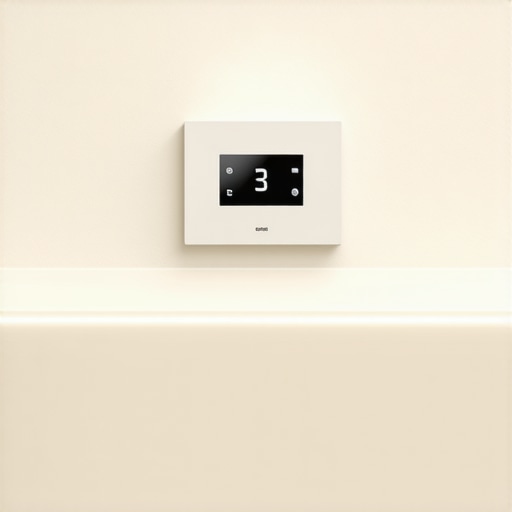
Emerging sensor-embedded baseboards can detect early signs of moisture intrusion, prompting timely maintenance and preventing costly damage, representing the forefront of bathroom moisture management.
Trusted Resources for Industry Leaders
- Building Research Establishment (BRE): Offers comprehensive standards and testing results for waterproof coatings and materials, guiding high-performance selections.
- Journal of Construction Materials: Publishes cutting-edge research on moisture-resistant materials suitable for bathroom environments, informing material choices.
- Manufacturer documentation of leading waterproof sealants: Provides detailed application techniques and performance metrics vital for expert installation.
- Industry seminars on IoT moisture monitoring solutions: Share practical insights into integrating smart sensors for proactive moisture control.
Harnessing Advanced Waterproofing for the Future
Innovative moisture control systems that integrate sensor technology and durable material composites are revolutionizing bathroom waterproofing, promising a future of maintenance-free, resilient interior spaces. Embracing these advancements not only safeguards your investments but also sets a new standard for bathroom design excellence. Dive deeper into this evolving landscape by consulting trusted industry resources, and consider consulting with professionals who are at the forefront of waterproofing innovation to redefine your projects’ durability and aesthetic appeal.


This post offers a comprehensive look at how waterproof baseboards are evolving to meet the demands of high-moisture environments like bathrooms. I appreciate the detail on advanced materials like graphene-infused membranes and the mention of self-healing coatings—these innovations could really change the game in durability and maintenance. From my experience working on bathroom remodels, sealing joints properly with the right sealants is often underestimated, but truly crucial to prevent water ingress. I’m curious, have any of you experimented with sensor-embedded baseboards or other smart moisture control systems? It seems like a promising area for proactive moisture management, especially in high-risk zones. I’d love to hear about practical experiences or recommendations for integrating such technology into standard renovation practices.
This article highlights some of the most promising advancements in waterproof baseboards, especially the integration of sensor technology and self-healing coatings. Having worked on several bathroom remodels, I’ve seen how critical proper sealing and high-quality materials are in preventing long-term water damage. The idea of embedding moisture-responsive sensors into baseboards is fascinating—it could truly revolutionize proactive maintenance and reduce costly repairs. However, I wonder about the durability of these sensors over time, especially in high-humidity conditions. Are there any proven solutions or manufacturers that stand out in providing reliable sensor-embedded baseboards? Additionally, with the rise of waterproof wall panels replacing traditional baseboards entirely, do you think we will see a shift away from baseboard-based moisture management systems in the next decade? I’d love to hear others’ experiences or insights into how these innovations are impacting actual installation and long-term performance.