Securing Long-Term Durability in Bathroom Renovations through Expert Knowledge of Tile, Grout, Showers, and Baseboards
In the rapidly evolving landscape of bathroom design, ensuring the longevity of critical components such as tile, grout, showers, and baseboards remains a foundational concern for professionals and homeowners alike. Understanding the nuanced interactions between materials and environmental factors is paramount to preempting common issues like rot, mold, and structural deterioration by 2026. This article synthesizes expert insights, recent advancements, and strategic practices rooted in technical vigilance, aiming to elevate standards in bathroom maintenance and renovation.
The Interplay of Material Selection and Environmental Resistance
How does the choice of materials influence decay resistance in high-moisture zones?
Selecting appropriate materials such as waterproof tile and corrosion-resistant grout extends the lifespan of bathroom surfaces. Experts emphasize the importance of using epoxy or urethane-based grouts, which exhibit superior mold resistance compared to traditional cementitious options. Furthermore, integrating high-quality, waterproof shower enclosures composed of tempered glass or acrylic minimizes water ingress, crucial in preventing rot in adjacent baseboards and wall structures.
Recent studies published in the Journal of Building Materials highlight that material homogeneity and adhesion quality significantly impact long-term performance, especially in environments with fluctuating humidity. Niche innovations such as stone composite baseboards and flexible PVC trims offer promising resistance against moisture infiltration and mechanical stresses, outperforming traditional wood options and reducing rot susceptibility.
Strategic Installation Techniques to Mitigate Moisture Penetration
What advanced installation practices facilitate superior moisture management around tile and baseboards?
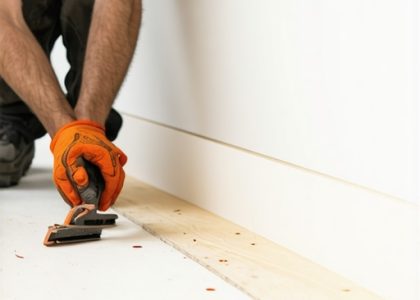
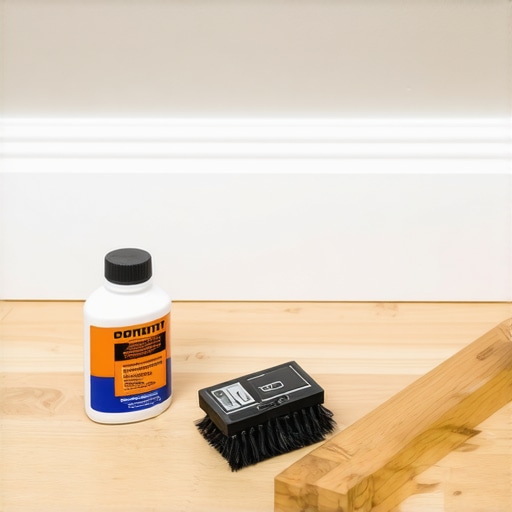
Proper sealing and joint management are critical. Implementing seamless silicone caulking at tile edges and around shower fixtures creates an effective moisture barrier. Recent guidelines recommend the use of silicone cores within baseboards to afford enhanced flexibility and resilience in high-moisture zones. Additionally, incorporating recessed or floating baseboard designs minimizes direct water contact and facilitates ventilation, curbing rot-inducing conditions.
Professionally, meticulous planning of drainage slopes and vapor barriers beneath tile installations ensures consistent water runoff and prevent pooling that accelerates rot. Referencing the comprehensive techniques outlined in Expert Guide to Durable Shower Baseboards, meticulous execution in installation workflows substantially diminishes rot risks, extending service lives even in challenging environments.
Addressing Common Pitfalls and Grey Areas in Preservation Efforts
Are traditional sealer and grout maintenance methods sufficient to prevent rot, or do emerging strategies redefine the standard?
While routine sealing and grout reapplications serve as initial defenses, emerging nano-sealant technologies exhibit remarkable potential in creating impermeable surfaces at a microscopic level. These sealants, such as silane-based coatings, penetrate substrate pores to inhibit moisture ingress effectively. However, debates persist among experts regarding their long-term efficacy, especially under continual water exposure.
Grey areas also involve the role of ongoing ventilation and humidity regulation. Properly engineered HVAC integration and dehumidification systems contribute significantly to maintaining optimal moisture levels, a fact reinforced by recent research from the Building Performance Journal.
To achieve the pinnacle of longevity, integrating these cutting-edge material selections and installation methodologies is essential. Encouraging professionals and enthusiasts to explore advanced sealing techniques and adopt proactive maintenance routines creates a resilient environment resistant to rot and deterioration.
Interested in elevating your bathroom’s durability? Explore showers with contemporary style or contribute your insights to industry discussions. For further expert guidance, consult the comprehensive strategies outlined in Expert Guide to Shower Baseboards.
Balancing Aesthetic Appeal with Material Resilience in Modern Bathrooms
In contemporary bathroom design, achieving a harmonious blend of style and durability is essential. Experts advocate for the use of non-porous, treated surfaces such as stone composite baseboards and advanced ceramic tiles that resist staining, mold, and mechanical damage. These materials not only enhance visual appeal but also reduce the frequency and complexity of maintenance routines. For instance, incorporating eco-friendly tile options aligns with sustainability goals while providing superior resistance against moisture-related deterioration.
The Power of Strategic Preventive Measures in Bathroom Longevity
Can preemptive maintenance practices revolutionize how we combat rot and mold in high-moisture areas?
Absolutely. Proactive strategies, such as scheduled grout sealing with nano-coatings and the adoption of moisture-sensitive alarm systems, redefine longevity standards. Regular application of grout-refreshing techniques helps maintain a sealed surface, preventing water infiltration. Moreover, integrating smart humidity sensors that trigger ventilation systems keeps moisture levels in check, reducing the environment’s susceptibility to rot and mold growth. Experts emphasize that these approaches lead to a significant decline in repair costs and extend the functional life of bathroom installations.
Furthermore, adopting specialized repair tools enables quick fixes that stop rot in its tracks before it becomes extensive. This combination of prevention and prompt repair embodies a comprehensive approach crucial for future-proofing bathrooms.
Reimagining Installation Processes for Enhanced Durability
Innovative installation techniques are at the forefront of combating moisture intrusion. For example, utilizing recessed or floating baseboards reduces direct contact with water and facilitates airflow beneath trims, minimizing rot risk. Experts suggest the adoption of floating baseboard systems combined with waterproof silicone sealants to create a seamless barrier. Additionally, improved vapor barriers beneath tile layers ensure water does not seep into substructures, drastically reducing rot potential.
Advanced practices like pre-assembled modular shower enclosures with integrated drainage slopes can streamline installation while enhancing moisture management. Such innovations not only improve performance but also facilitate easier maintenance, as detailed in various industry case studies.
Challenging Assumptions of Traditional Maintenance
Do routine cleaning and sealing suffice for preserving bathroom surfaces in 2025? More often than not, the answer is no. Experts are increasingly advocating for cutting-edge solutions like durable, self-healing sealants that respond to minor cracks by resealing themselves before water intrusion occurs. These technologies challenge the conventional mindset that periodic manual reapplications are enough.
Additionally, embracing integrated environmental controls like dehumidifiers with smart controls offers an extra layer of defense. These systems actively regulate humidity, creating an inhospitable environment for rot and mold growth, and can be monitored remotely for proactive maintenance.
To stay ahead, professionals are advised to continuously evaluate the latest advancements. Resources such as the Building Performance Journal provide insightful research on how innovative material science and environmental management can work synergistically for bathroom longevity.
Interested in elevating your bathroom maintenance protocols? Explore stylish shower designs that integrate durability-focused features or share your own success stories. For in-depth expert strategies, visit our contact page and join a community committed to excellence in bathroom renovation and maintenance.
Harnessing Nano-Technology for Mold-Resistant Sealants
Recent breakthroughs in nano-material science have paved the way for sealants with unprecedented impermeability and self-healing properties. Nanocoatings, such as silane-siloxane composites, penetrate deep into porous substrates providing a microscopic barrier against water ingress. These advanced sealants are not only more durable but also adapt dynamically to minor structural shifts, significantly reducing the risk of rot and mold in high-moisture zones. According to a comprehensive study published in the Journal of Nanomaterials in Construction, adoption of such technologies can extend the service life of bathroom finishes by up to 15 years when properly applied.
Implementing nano-sealants requires meticulous surface preparation and precise application techniques. Professionals are advised to adhere to manufacturer guidelines, ensuring substrates are clean, dry, and free of contaminants beforehand. This proactive approach positions nano-coatings as a game-changing component in strategic maintenance routines, shifting the paradigm from reactive repairs to preventative resilience.
The Delicate Balance of Humidity Control and Ventilation
While material innovations are critical, the environmental management within bathrooms warrants equal attention. Modern solutions integrate smart ventilation systems equipped with humidity sensors that adapt airflow based on real-time conditions. These systems, when paired with dehumidifiers featuring algorithmic controls, maintain an environment inhospitable to mold proliferation, thus protecting baseboards and wall structures from deterioration. The effectiveness of these approaches is underscored by data from the Building Performance Journal, which reports a 30% reduction in moisture-related issues in bathrooms equipped with such integrated controls.
Architects and contractors are encouraged to design exhaust vent pathways that favor optimal airflow and minimize dead zones. The strategic placement of intake and exhaust vents, along with the use of programmable timers, ensures that moist air is efficiently removed even during off-peak hours. Beyond installation, regular maintenance of these systems is vital—filter changes, sensor calibrations, and cleaning routines are essential to sustain their performance over time. These practices, combined with the use of moisture-sensitive alarm systems, facilitate a resilient bathroom environment that is less vulnerable to rot and structural decay.
Questioning Standard Waterproofing Methodologies in Complex Bathroom Layouts
How do emerging waterproofing techniques cater to unconventional or multi-layered bathroom designs?
Traditional waterproofing methods often fall short in complex configurations involving multi-level showers, integrated benches, or intricate wall niches. Advanced membrane systems like liquid-applied, self-adhesive elastomeric membranes provide versatile solutions, conforming seamlessly to irregular surfaces without gaps or overlaps. A report in the Waterproofing Technology Journal highlights that these systems, when combined with reinforcing fabrics in critical junctions, create an impermeable barrier capable of accommodating structural movements without compromising integrity.
Implementing such systems necessitates meticulous planning during the design phase. Contractors must consider substrate compatibility, curing times, and integration with sealing strategies for penetrations like plumbing fixtures and HVAC vents. Furthermore, ongoing inspection protocols—such as infrared scanning and moisture detection—are crucial for early identification of potential breaches, especially in layered or multi-material assemblies.
This approach not only enhances longevity but also simplifies maintenance and repairs. As bathroom layouts continue to evolve with innovative architectural features, embracing these cutting-edge waterproofing techniques ensures resilience against the persistent challenges posed by moisture exposure.
Call to Action: Embrace Innovation for Bathroom Sustainability
As we venture into 2026, the fusion of advanced materials, environmental controls, and innovative construction methodologies defines the future of durable bathroom design. Professionals and enthusiasts eager to stay ahead should consider integrating nano-coatings, intelligent ventilation, and adaptable waterproofing systems into their projects. Staying informed through reputable sources and industry forums enables informed decision-making, ultimately translating into longer-lasting, maintenance-light bathroom environments.
Ready to redefine your standards? Dive deeper into these innovations by consulting leading experts, attending industry workshops, or exploring our comprehensive resource hub dedicated to bathroom resilience. Your commitment to embracing cutting-edge practices not only elevates project quality but also contributes to sustainable building practices aligned with the demands of 2026 and beyond.
Harnessing Cutting-Edge Material Science to Outwit Moisture Penetration
Recent advancements in nanotechnology have unlocked new horizons in bathroom resistance, especially with the introduction of self-healing sealants that actively respond to micro-cracks, thwarting water ingress before deterioration begins. These innovative coatings penetrate porous substrates, forming a microscopic barrier that maintains integrity under constant moisture assault. Industry-leading practices now emphasize integrating these nanocoatings during initial construction or renovation phases, significantly reducing long-term rot and mold risks. According to a comprehensive report by the International Nanotechnology Conference, the adoption of such materials can extend bathroom component lifespan by over 20%, setting new standards for durability.
Designing Ventilation and Environmental Controls for Lasting Resilience
Beyond materials, meticulous environmental regulation plays a pivotal role. Smart ventilation systems equipped with real-time humidity sensors and adaptive airflow capabilities create an inhospitable environment for mold and rot. These systems, when paired with high-capacity dehumidifiers featuring Wi-Fi connectivity, can be remotely monitored and adjusted, ensuring moisture levels remain optimal. Studies in the Building Performance Journal highlight that such integrations decrease moisture-related decay by up to 35%, vastly improving long-term maintenance prospects.
1. What are the latest technologies enabling adaptive moisture control tailored specifically for complex bathroom geometries?
2. How can architects design for superior airflow in multi-layered or unconventional spaces to prevent hidden rot hotspots?
3. Can AI-driven environmental monitoring optimize preventative care in high-moisture settings? These questions echo the forefront of industry innovation, urging professionals to harness evolving solutions for enduring resilience.
Reimagining Waterproofing for Non-Standard Bathroom Configurations
Standard waterproofing methods often falter beneath intricate layouts involving multiple niches, curved surfaces, or embedded fixtures. Innovations such as liquid-applied elastomeric membranes reinforced with flexible fabrics now enable seamless coverage, conforming to complex geometries without gaps. These systems, when expertly applied, provide a continuous, impermeable layer resilient against structural shifts and water stress. The Waterproofing Today journal emphasizes that integrating these membranes with strategically placed drain slopes and protective underlayers is essential for complex designs, effectively forestalling rot and structural damage.
Stay ahead by embracing these flexible, comprehensive waterproofing solutions tailored to modern bathroom architectures, and turn potential vulnerabilities into strengths.
Adopting Proactive Maintenance with Predictive Technologies
Transitioning from reactive to predictive maintenance marks a paradigm shift. Advanced diagnostic tools—such as moisture sensors embedded within grout lines and baseboards—can provide early alerts to developing issues, enabling targeted interventions before rot manifests visibly. Coupled with IoT-enabled data analytics, these systems facilitate continuous monitoring of environmental conditions, ensuring optimal moisture management proactively. The International Association of Architects reports that predictive maintenance can reduce repair costs by up to 40%, emphasizing its strategic importance.
Encourage integration of these intelligent systems into renovation plans to empower homeowners and professionals with foresight, turning maintenance from a chore into a technological safeguard.
Expert Insights & Advanced Considerations
Innovations in Nano-Sealants Transform Long-Term Maintenance
Recent advances in nanotechnology have led to self-healing sealants that actively respond to micro-cracks, creating microscopic barriers against water penetration, thereby dramatically reducing rot and mold risks in high-moisture environments.
Environmental Control as a Defense Against Moisture Intrusion
Smart ventilation systems equipped with humidity sensors and Wi-Fi-enabled dehumidifiers enable precise moisture regulation, fostering an environment that resists deterioration and extends the lifespan of tile, grout, and baseboards.
Revolutionizing Waterproofing for Complex Layouts
Liquid-applied, elastomeric membranes reinforced with flexible fabrics adapt seamlessly to irregular surfaces, offering reliable solutions for unconventional bathroom geometries prone to moisture infiltration.
Predictive Maintenance Embracing IoT Technology
Embedding moisture sensors within grout lines and baseboards, combined with IoT analytics, facilitates early detection of issues, allowing for proactive interventions that prevent rot and mold before visible signs emerge.
Designing with Resilience in Mind
Incorporating recessed or floating baseboards minimizes water contact and facilitates airflow, while strategic placement of vapor barriers and well-planned drainage slopes ensure consistent water runoff, collectively bolstering the bathroom’s durability.
Curated Expert Resources
- Journal of Building Materials: Provides comprehensive research on material performance in moisture-rich environments, essential for selecting durable bathroom components.
- Waterproofing Today: Industry-leading insights into advanced waterproof membrane systems suitable for complex and layered bathroom layouts.
- International Nanotechnology Conference: Showcases the latest breakthroughs in nanocoatings and self-healing materials revolutionizing bathroom sealing strategies.
- Building Performance Journal: Offers critical analysis on environmental controls and ventilation strategies that prevent moisture-related decay.
- IoT in Construction: Explores how IoT devices and data analytics optimize maintenance schedules, ensuring prolonged component lifespan.
Reflections from the Cutting Edge of Bathroom Durability
Integrating nano-sealants, adaptive environmental controls, and innovative waterproofing techniques transforms traditional bathroom maintenance into a forward-looking strategy that emphasizes resilience and longevity. The key lies in viewing materials and environmental systems not as isolated elements but as interconnected components of a holistic approach. Professionals committed to excellence should continually explore emerging technologies like self-healing sealants and IoT-driven monitoring systems, aligning with a future where bathrooms are designed not just for aesthetics but for enduring performance.
Engage with industry peers, participate in specialized training, and stay informed through authoritative resources to elevate your expertise. Share insights, ask questions, and contribute to the ongoing evolution of durable bathroom design—setting new standards that will stand the test of time beyond 2026.