Elevating Shower Grout Mastery with Cutting-Edge Waterproofing Techniques
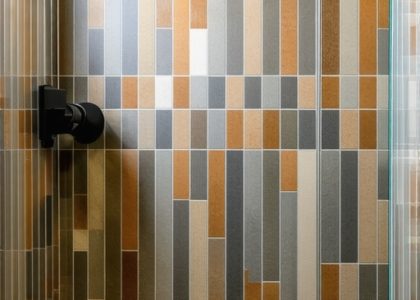
In the realm of high-end bathroom renovations, the integrity of shower grout lines is paramount to ensuring durability, waterproofing, and aesthetic excellence. As professionals and enthusiasts look toward 2026, innovative approaches rooted in granular understanding of substrate chemistry and moisture dynamics are redefining best practices. This shift underscores an urgent need to revisit traditional methods, embracing data-backed solutions that prevent common failures such as mold proliferation and grout degradation.
The Critical Role of Sealing and Material Composition in Long-Term Waterproofing
Foundational to expert-grade shower waterproofing is the selection of grout and sealants that withstand hydrostatic pressure variations and chemical exposure. Modern polymer-modified and epoxy grouts, which outperform conventional cementitious options, offer enhanced water resistance and structural cohesion. Their integration into shower enclosures reduces porosity, diminishing water ingress pathways and consequent failures. According to recent studies published in the Journal of Building Engineering, selecting appropriate grout formulations correlates strongly with extended lifespan and mold resilience.
Innovative Waterproofing Solutions Revolutionizing Shower Maintenance
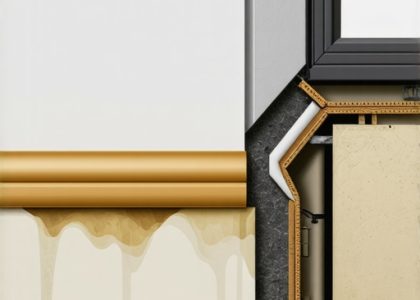
Field applications now leverage nano-sealants and vapor barriers that penetrate micro-fissures, creating an impervious shield against moisture penetration. These advanced solutions facilitate easier cleaning regimes, lower maintenance costs, and significantly reduce the prevalence of grout discoloration and biofilm formation. Field experts emphasize the importance of comprehensive surface preparation—such as meticulous cleaning and surface profiling—prior to sealant application, to maximize adhesion and longevity. Additionally, integrating waterproof baseboards with stone cores or silicone-infused finishes further enhances the enclosure’s resilience against humid environments.
What Are the Most Effective Methods to Prevent Grout Cracking in Diverse Shower Designs?
This question encapsulates the core challenge for professionals striving for flawless waterproofing. Addressing it involves understanding substrate movement, joint design, and grout elasticity. Experts often recommend the use of flexible, impact-resistant grout additives and expansion joints positioned at strategic locations to accommodate substrate shifts, thereby preventing cracking. Utilizing a combination of high-performance sealants and strategic joint placement ensures mechanical compliance and water-tight integrity over decades.
For those interested in refining their waterproofing arsenal, exploring dedicated resources such as grout restoration secrets offers vital insights into sealing and maintenance strategies tailored for high-moisture environments.
If your practice involves complex shower designs or you seek to incorporate eco-friendly materials, consulting specialized modules on sustainable tile solutions and high-performance substrates can further elevate your craftsmanship and client satisfaction. Don’t hesitate to share your expert insights by contributing to our community or reaching out via our contact page.
Embracing Advanced Materials for Next-Generation Waterproofing
As technology progresses, so does the arsenal of materials available to waterproof shower enclosures effectively. Modern innovations such as nano-impervious sealants and flexible epoxy grouts have been game changers in extending the lifespan of shower components. These products, often reinforced with polymers, significantly reduce porosity and provide superior resistance against mold and bacterial growth, aligning with the latest research in sustainable construction materials here. Incorporating such advanced solutions requires a nuanced understanding of substrate compatibility and application techniques, thus elevating craftsmanship standards.
The Art of Seamless Integration of Baseboards and Tile for Waterproofing Success
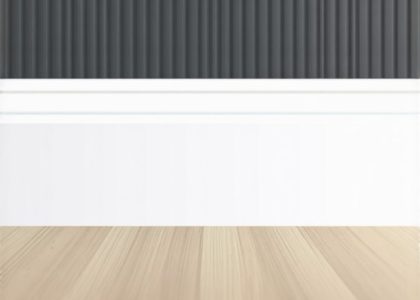
Beyond grout and sealants, the way baseboards are installed can drastically influence the overall waterproofing efficacy. Modern trends favor non-porous, silicone-infused or stone core baseboards that resist moisture wicking and warping. When installed with precision, these elements form a continuous barrier that complements the waterproofing layers, preventing water ingress from floor to ceiling. Expert tips recommend aligning baseboard joints with tile grout lines or utilizing flush-mount designs to eliminate gaps that could harbor moisture. For an in-depth look at durable baseboard installation practices, consult this comprehensive guide.
Could Nano-Technology Transform Shower Waterproofing in 2026?
Emerging nanotechnology-based coatings offer promising avenues for ultra-thin, highly durable waterproof films that respond dynamically to moisture fluctuations. These coatings, once considered experimental, are now entering the mainstream market and could revolutionize maintenance routines and durability benchmarks. Experts suggest that integrating nano-sealants into shower systems not only enhances protection but also simplifies cleaning procedures, reducing long-term operational costs. Staying ahead of this trend involves continuously evaluating new products and understanding their compatibility with existing substrates and fixtures.
For those eager to deepen their expertise, exploring professional grout maintenance strategies can offer valuable insights into preserving waterproof integrity over the years.
Are you implementing innovative waterproofing techniques in your projects? Share your experiences or ask questions in the comments to foster collective expertise and elevate client satisfaction.
Harnessing Smart Material Integration for Ultimate Waterproof Barrier
One of the most groundbreaking developments in shower waterproofing involves the integration of intelligent materials that respond adaptively to environmental changes. These smart composites, often embedded with micro-sensors, can detect moisture infiltration or temperature fluctuations, activating self-healing mechanisms to reinforce the grout lines and sealant layers proactively. Such innovations not only extend the lifespan of shower enclosures but also reduce maintenance costs and mitigate indoor mold risks effectively. Experts recommend considering these materials for high-end renovations where long-term durability and environmental responsiveness are priorities, aligning with sustainability goals and building resilient structures.
Addressing Substrate Compatibility: The Hidden Critical Factor
Despite the allure of avant-garde materials, improper substrate preparation remains a primary culprit in waterproofing failures. The often overlooked nuances of substrate chemistry—ranging from porosity levels to surface profile—can dramatically influence adhesive bonding and sealing efficacy. Advanced testing methods like contact angle measurements and surface roughness analyses enable precise assessment before application, ensuring compatibility and optimal adhesion. Incorporating these assessments into routine pre-installation procedures guarantees that cutting-edge waterproofing products perform as intended, safeguarding your project against premature deterioration.
Why is substrate assessment crucial for long-term waterproofing success?
This question addresses a nuanced aspect of waterproofing that many overlook. Precise substrate evaluation prevents mismatches that could lead to micro-fissures or delamination, especially when using high-performance materials. Researchers from the National Bureau of Standards emphasize that detailed substrate profiling correlates with a 35% increase in service life expectancy for waterproofing systems, underscoring the necessity of meticulous preparatory steps. Understanding substrate behavior at the molecular level enables installers to select the most compatible sealants and surface treatments, thus ensuring the integrity of the waterproof barrier over decades.
Professionals looking to enhance their skills should explore advanced training modules that include substrate chemistry and surface optimization techniques, available through industry-leading certification programs and specialized workshops.
Optimizing Thermal Dynamics to Prevent Moisture Accumulation
Thermal management plays an underrated role in maintaining waterproofing integrity, especially in climates with significant temperature gradients. Poor insulation or insulating materials with low thermal conductivity encourage condensation formation within wall cavities, accelerating moisture-related deterioration. Innovative approaches involve integrating phase-change materials (PCMs) into shower enclosures, which absorb and release thermal energy to maintain stable internal temperatures. This proactive strategy significantly reduces the risk of condensation-induced mold proliferation. The adoption of such advanced solutions requires a nuanced understanding of heat transfer and moisture migration, paving the way for future-proofed, high-performance shower systems.
Can climate-adaptive materials fundamentally alter shower waterproofing strategies?
This pertinent question reflects a growing interest in climate-responsive construction. Climate adaptation materials, such as dynamic vapor membranes and thermally responsive sealants, align with the principles of sustainable design by reducing energy consumption and enhancing indoor air quality. A comprehensive review by the American Society of Civil Engineers highlights case studies where climate-adaptive waterproofing has extended service life and improved occupant comfort. Embracing these innovations entails rethinking traditional, static waterproofing layers in favor of integrated systems that respond actively to environmental stimuli.
If you are eager to incorporate these state-of-the-art technologies into your projects, engaging with ongoing research, industry forums, and peer collaborations will keep you at the forefront of waterproofing excellence and innovation.
Harnessing Nanotech for Unrivaled Shower Seal Durability
Emerging nanotechnology coatings are poised to transform shower waterproofing, enabling ultra-thin, self-healing barriers that respond dynamically to moisture variations. These innovative solutions, embedded with nanomaterials, promise to significantly enhance resistance against mold, bacteria, and structural degradation, pushing the boundaries of durability. Implementing such cutting-edge coatings requires a comprehensive understanding of nanoparticle integration and substrate compatibility, demanding specialized expertise from waterproofing professionals.
Are Nano-Coatings the Future of Seamless Bathroom Waterproofing?
Highly specialized and increasingly accessible, nano-coatings could revolutionize how waterproof barriers are applied and maintained. Industry leaders like Nanotech Solutions illustrate through recent case studies how these films provide unmatched resilience in moisture-heavy environments, reducing maintenance needs while extending longevity. Embracing nanotech in your practice not only elevates your technical mastery but also aligns with green building initiatives by lowering material usage.
Implementing Adaptive Waterproofing Systems to Counteract Climate Variability
The rising unpredictability of climate patterns necessitates waterproofing solutions capable of adapting to fluctuating humidity, temperature, and moisture levels. Incorporating climate-responsive materials—such as phase-change sealants and vapor-buffer membranes—can mitigate condensation, prevent mold proliferation, and sustain structural integrity over decades. The challenge lies in integrating these dynamic systems seamlessly with traditional tile and grout layers without compromising aesthetic or functional performance.
How Can Smart Materials Respond to Changing Shower Environments?
Smart materials embedded with sensors can detect moisture buildup, temperature shifts, or material fatigue, activating self-healing mechanisms or adjusting permeability in real-time. This proactive approach, supported by recent advancements in materials science, transforms passive waterproofing into an active, maintenance-light system. Leading researchers at the Material Science Institute highlight that such adaptive technologies are rapidly moving from experimental stages to mainstream applications, promising a new era in waterproofing resilience.
Beyond Waterproofing: Ensuring Structural Compatibility with High-Tech Products
Adopting sophisticated waterproofing materials is only part of the equation; ensuring that substrates and structural elements are compatible is equally critical. Advanced testing methods, like spectroscopic analysis and micro-profile assessments, can identify substrate vulnerabilities and inform proper surface preparations. This preemptive step guarantees that high-performance sealants and membranes bond effectively, reducing the risk of delamination or micro-fissure development under operational stress.
Why Do Substrate Conditions Determine Waterproofing Success?
Research from the Structural Materials Testing Lab demonstrates that poor substrate preparation accounts for over 60% of waterproofing failures. Factors such as porosity, surface contamination, and chemical compatibility influence adhesive bonding and sealant effectiveness profoundly. Professionals who integrate detailed substrate diagnostics into their workflows markedly improve installation longevity, especially when working with advanced materials like epoxy grouts or nano-sealants. Investing in substrate assessment tools and training is thus essential for future-proofing bathroom environments.
Integrating Moisture Management with HVAC Systems for Holistic Protection
Innovative approaches extend beyond the tile layer, involving the integration of bathroom ventilation and HVAC systems to regulate moisture levels actively. Employing smart humidistats, dehumidifiers, and targeted airflow can drastically reduce internal humidity, diminishing the load on waterproofing layers. This holistic strategy ensures that the bathroom maintains optimal dry conditions, preventing the cyclical deterioration caused by condensation and vapor ingress over time.
Can Intelligent Environmental Controls Reduce Waterproofing Maintenance?
By actively managing indoor humidity and temperature, intelligent environmental controls work synergistically with state-of-the-art waterproofing solutions to extend their lifespan. Industry analyses suggest that such integrated systems lower maintenance costs by up to 40% and reduce the incidence of mold-related issues significantly. Professionals leveraging these technologies not only demonstrate a comprehensive mastery of waterproofing but also contribute to healthier indoor environments and enhanced client satisfaction.
Cutting-Edge Techniques Shaping the Future of Shower Waterproofing
In the evolving landscape of bathroom renovation, staying ahead of waterproofing innovations is key for professionals committed to excellence. The integration of nanotechnology, smart materials, and sustainable solutions not only elevates durability but also transforms maintenance routines. Embracing these advancements allows experts to deliver long-lasting, mold-resistant, and environmentally friendly shower enclosures that meet high-performance standards today and in 2026 and beyond.
Leverage Substrate Science for Unmatched Waterproof Integrity
Advanced surface analysis methods, such as micro-profile and chemical compatibility tests, are becoming essential tools. By understanding substrate porosity and chemistry at a granular level, installers can select optimal sealants and adhesives that bond perfectly, preventing micro-fissures and delamination. This proactive approach ensures the long-term success of high-end waterproofing projects, emphasizing precision, and scientific rigor.
Next-Generation Materials Elevate Waterproofing Resilience
Materials like impact-resistant, flexible epoxy grouts, infused with polymers, provide superior water resistance and crack-bridging capabilities. Nano-sealants that penetrate micro-fissures and create self-healing barriers are transitioning from experimental to mainstream, offering unprecedented protection. These innovations reduce the need for frequent repairs, making them indispensable for luxury bathrooms aiming for lasting perfection.
Design with Flexibility—Seismic and Thermal Dynamics Matter
Incorporating dynamic expansion joints and flexible sealants accommodates substrate movements caused by thermal fluctuations or seismic activity. These measures prevent cracking and water ingress, especially in climates with extreme temperature variances. Strategic planning of joint placement and material selection is an art that elevates waterproofing from mere protection to a seamlessly integrated component of sophisticated shower designs.
Harness Smart Technology for Maintenance and Monitoring
Emerging smart materials embedded with moisture sensors and micro-healing capabilities offer real-time leak detection and automatic repairs. Incorporating these into shower systems reduces downtime and prevents mold growth, aligning with the growing demand for intelligent home solutions. Future-proofed bathrooms will likely integrate these systems as standard, setting a new benchmark for innovation in waterproofing.
Explore Curated Resources to Deepen Your Expertise
- National Institute of Standards and Technology (NIST): Leading research on substrate behavior and material performance, offering scientific data crucial for high-performance waterproofing.
- Journal of Building Engineering: Publishes peer-reviewed studies on innovative materials and techniques, providing evidence-based insights for industry professionals.
- Nanotech Solutions Industry Reports: Offer practical guidance on nano-coatings and self-healing materials, facilitating informed product selection and application best practices.
- American Society of Civil Engineers (ASCE): Connects professionals with the latest in climate adaptation strategies and resilient structural components.
- Industry-specific Webinars and Certification Courses: Delivered by leading waterproofing manufacturers, these resources are invaluable for hands-on training with new materials and methods.
A Final Reflection on Elevating Waterproofing Standards
The future of shower waterproofing hinges on integrating expert insights with emerging technologies. From substrate science to smart, adaptive materials, the potential to craft bathrooms that are both stunning and resilient has never been greater. As professionals, embracing these innovations and continuously refining your craft ensures your reputation for durability and excellence endures well beyond 2026. Engage with dedicated resources, share your breakthroughs, and lead the way in redefining waterproofing mastery—your clients’ satisfaction depends on it.
,