The mistake that rot built
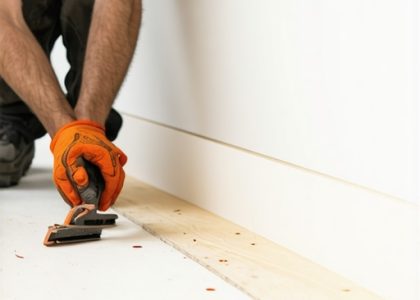
I spent three days grinding concrete on a job last month just so the floor wouldn’t click like a castanet, but what I found behind the existing trim was worse. The homeowner thought they had a waterproof bathroom because the tile looked pretty. Once I pulled back the MDF baseboards, the drywall was black with mold and the bottom plate of the wall was soft enough to push a screwdriver through. This happened because the installer used a standard wood-product baseboard and a bead of cheap caulk that failed within eighteen months. Water does not just sit on the floor, it moves through capillary action, climbing up the back of porous materials and destroying the structure of your home from the inside out. If you are planning a bathroom for 2026, you have to stop thinking about baseboards as decoration and start treating them as the final line of defense in a wet room. Every joint where a wall meets a floor is a potential failure point. I have seen fifteen thousand dollar renovations trashed in three years because of a poor tuck. We are going to look at how to stop that today by focusing on non-porous materials and the physics of the tuck.
The hidden vulnerability in your bathroom perimeter
Non-porous baseboard tucks prevent water damage by creating a hydrostatic barrier at the wall-to-floor transition. By utilizing waterproof materials like porcelain tile, PVC, or sintered stone, you eliminate the wicking effect that destroys drywall and subfloor framing in wet environments. This approach ensures long-term durability and moisture resistance. Most guys skip the leveling compound. They think the underlayment will hide the dip. It won’t. If your floor has a 1/8 inch dip over ten feet, your baseboard will not sit flush. This creates a pocket where steam turns into liquid water and sits. In the high humidity of a place like Florida or the coastal Carolinas, that moisture never evaporates. It just sits there and feeds fungal growth. You need a material that does not care about water. Wood is out. MDF is a crime. We are looking at materials that have a moisture absorption rate of less than 0.5 percent.
“A floor is only as good as the subfloor beneath it; deflection is the enemy of every joint.” – Master Flooring Axiom
The chemistry of the porcelain baseboard tuck
Porcelain tile baseboards offer the highest level of moisture protection due to their low porosity and high density. When installed with epoxy grout or modified thin-set, they create a chemical bond that is nearly impermeable to liquid water and vapor transmission. This is the gold standard for 2026 bathroom designs. I always tell my clients that if they want a floor that lasts thirty years, they need to use the same material for the baseboard as they do for the floor. When you tuck a porcelain tile baseboard over a tiled floor, you are creating a monolithic shield. You have to consider the expansion gap though. Even in a small bathroom, the house moves. If you grout that bottom joint solid, it will crack. You need a high-grade 100 percent silicone sealant that matches your grout color. This allows for movement while maintaining a watertight seal. If you are interested in keeping things clean, check out these tile cleaning tips for a sparkling bathroom to keep that porcelain looking sharp.
The physics of the zero-clearance aluminum profile
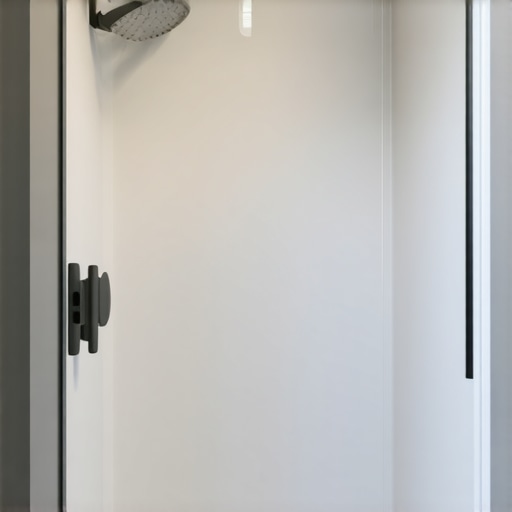
Aluminum baseboard profiles provide a minimalist aesthetic while offering absolute water resistance and structural integrity. These metal trims are anodized to prevent corrosion and are designed to integrate with modern tile installations to provide a clean transition that survives heavy moisture exposure. The Tired Architect in me loves the look of a zero-threshold shower with a matching metal profile. These aren’t just for looks. The aluminum creates a physical stop for the water. When we talk about the physics of a tuck, we are talking about directing water back toward the drain. A metal profile, when set in a bed of thin-set, leaves no room for air or moisture to collect. It is a dense, hard surface that does not expand or contract at the same rate as wood, meaning your seal stays intact longer. You can find more chic baseboard designs that use these modern materials to change the feel of the whole room.
| Material Type | Moisture Absorption | Janka Hardness/Durability | Best Application |
|---|---|---|---|
| Porcelain Tile | <0.5% | Extremely High | Full Wet Rooms |
| PVC/Polymer | 0% | Medium | High Humidity Baths |
| Anodized Aluminum | 0% | High | Minimalist Modern Showers |
| Sintered Stone | <0.05% | Very High | Luxury Custom Enclosures |
| Solid Hardwood | 8-12% | Variable | Avoid in Wet Zones |
The integrated cove base strategy
Integrated cove base tiles eliminate the 90-degree corner where mold and mildew usually thrive in showers. By using a curved transition, water is naturally channeled away from the wall-floor joint and toward the primary drain system, ensuring optimal hygiene and structural protection. This is a trick I learned from commercial hospital jobs. In those environments, you can’t have corners because corners collect bacteria. In a residential shower, that 90-degree angle is where the grout usually fails first. By using a cove base, you are creating a smooth, non-porous sweep. It is much harder to install because your subfloor has to be perfectly level and your walls must be plumb. If the wall is leaning out even a quarter inch, the cove won’t sit right and you will end up with a massive gap of caulk at the top. This is where the Mechanic with Sawdust Under His Nails comes out. I won’t even start the job until I’ve checked the studs with a six-foot level. If you’re dealing with old grout issues before a remodel, look into grout restoration secrets to see how to fix the damage.
The recessed baseboard tuck for flush finishes
Recessed baseboards create a flush wall surface that prevents water pooling on the top edge of the trim. This architectural detail requires precision framing and the use of moisture-resistant backing boards to ensure that the transition remains watertight and visually seamless throughout the bathroom. This is the hardest tuck to pull off. You have to cut the drywall short and install a specialized track or a piece of tile that sits flush with the finished wall surface. The benefit is that there is no ledge for dust or water to sit on. Most water damage starts on the top edge of a baseboard where steam condenses and runs down behind the wood. With a recessed tuck, there is no behind. It is all one surface. This is how you build for 2026. It is about removing the layers where failure happens. For those looking for a complete overhaul, check out showers that wow to see how recessed details integrate into high-end builds.
“In a wet environment, the quality of the adhesive bond determines the lifespan of the installation; air pockets are the breeding ground for failure.” – TCNA Handbook Standards
The solid polymer tuck for curved walls
Solid polymer baseboards offer flexibility and absolute waterproof performance for curved shower walls or complex bathroom layouts. These synthetic materials do not rot, warp, or swell, making them an excellent alternative to traditional trim in high-moisture zones where tile might be too rigid. I have seen guys try to steam-bend wood for a curved bathroom wall. It is a disaster waiting to happen. The wood will eventually try to straighten out, pulling away from the wall and breaking the seal. A high-density polymer or PVC baseboard can be glued with a specialized waterproof adhesive that creates a permanent bond. This is a practical solution for the DIY homeowner who wants to avoid the complexity of tile cutting. If you want to see how these fit into a broader design, look at baseboard makeover ideas to find styles that mimic the look of wood without the rot risk.
The importance of acclimation and subfloor prep
Subfloor preparation and moisture testing are the mandatory steps before installing any non-porous baseboard system. You must ensure the concrete slab or plywood subfloor has a moisture content within the manufacturer’s specifications to prevent adhesive failure or efflorescence in the grout lines. I don’t care if the material is waterproof. If the subfloor is wet, the glue won’t stick. I’ve seen LVP floors buckle because they were locked under a heavy vanity, and I’ve seen baseboards pop off the wall because the installer didn’t wait for the new plaster to dry. You have to use a pinless moisture meter. If you are in a humid region, you might need a calcium chloride test for the slab. This is the structural engineering side of flooring. It isn’t glamorous, but it’s why my floors are still standing twenty years later. If you are looking for more sustainable options, read about eco-friendly tile solutions that work well with these methods.
- Check subfloor levelness with a 10-foot straightedge.
- Use a moisture meter to verify the substrate is dry.
- Apply a waterproof membrane behind the baseboard area.
- Select a non-porous material like porcelain or PVC.
- Use 100 percent silicone for the floor-to-wall joint.
- Match grout chemistry to the environment (epoxy for showers).
- Ensure the expansion gap is maintained for house movement.
The 1/8 inch that ruins everything
Expansion gaps are the essential space left between the flooring and the wall to allow for natural shifting. When these gaps are improperly sealed or bridged with rigid materials, it leads to cracked tiles, buckling floors, and water intrusion that compromises the entire installation. People think a tight fit is a sign of a good craftsman. In flooring, a tight fit is a sign of an amateur. You need that 1/8 inch. The trick is how you cover it. The tuck is the solution. By having the baseboard sit over the floor tile, but not touching it, you create a space that can be filled with a flexible sealant. This sealant acts like a gasket. If you are working on a smaller space, you can see how these techniques apply in trendy ideas for small bathrooms. For any specific questions about your particular subfloor or to get an expert eye on your project, you should contact us before you lay the first tile.