The mineral ghost in your shower
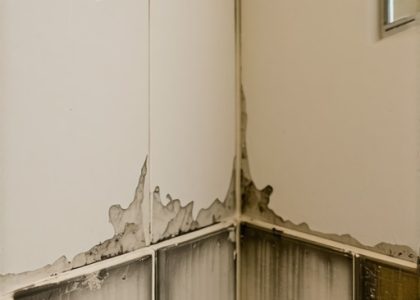
Hard water grout film is a crust of calcium and magnesium deposits left behind after water evaporates from tile surfaces. These minerals bond to the cementitious structure of the grout. To remove it without acid, you must disrupt the mineral lattice using alkaline cleaners, steam, or mechanical friction. Most guys skip the leveling compound. They think the underlayment will hide the dip. It won’t. I spent three days grinding concrete on a job last month just so the floor wouldn’t click like a castanet. That same philosophy applies to grout. If you do not prep the substrate and seal it properly, the minerals have a home for life. I have spent twenty-five years on my knees with a moisture meter and a level. I have seen beautiful tile cleaning tips ignored in favor of quick fixes that ruin the integrity of the installation. When you see that white haze, you are looking at the molecular ghost of your local water supply. It is not just dirt. It is a structural accumulation of rock. If you use harsh acids, you are eating away the cement binders that hold your grout together. By 2026, the industry is moving away from aggressive chemistry and toward structural preservation. You need to understand the physics of the bond before you try to break it. I have watched $20,000 bathroom installs go to trash because the homeowner thought a bottle of high-acid toilet bowl cleaner was a shortcut for grout maintenance. It is not. It is a death sentence for your shower.
“A floor is only as good as the subfloor beneath it; deflection is the enemy of every joint.” – Master Flooring Axiom
Why acid is a lazy man tool
Acidic cleaners work by dissolving the top layer of the grout itself to release the trapped minerals. This process, while effective in the short term, increases the porosity of the grout and makes it more susceptible to future staining. Professional installers avoid this because it weakens the grout joints over time. Instead of dissolving the structure, we look at the pH scale. Most mineral deposits from hard water are slightly acidic or neutral once they crystallize. Using a high-pH alkaline cleaner can often break the organic bonds holding the minerals in place without etching the stone or cement. This is about chemistry, not just scrubbing. When you use acid on a natural stone tile, you are literally melting the surface. I have seen marble floors turned into sandpaper by people who did not understand this. You want to preserve the grout restoration secrets that keep a floor looking new for decades. It starts with rejecting the easy out of a spray-on acid. You have to be smarter than the minerals. You have to look at the mil-thickness of the buildup and decide on a mechanical or alkaline approach. This is the difference between a handyman and a master mechanic.
Mechanical friction and the diamond pad approach
Mechanical removal of hard water film involves using abrasive pads or brushes that are harder than the mineral deposit but softer than the tile glaze. This physical disruption breaks the bond between the calcium and the grout surface without chemical intervention. It requires patience and the right RPM on your hand tool. I prefer using a white or red nylon pad on a variable speed polisher. If the film is heavy, you might move to a diamond-impregnated felt pad. You are essentially honing the grout line back to its original state. This is similar to how we level a subfloor. You cannot hide the bumps; you have to remove them. I once had a client complain about grout haze on a brand-new slate floor. The installer had used a grout additive that filmed over. It took forty hours of hand-scrubbing with white pads to fix it. We did not use a drop of acid. We used elbow grease and physics. If you want to see how to maintain the perimeter of these areas, look at baseboards makeover ideas to ensure the transition from floor to wall remains clean and free of mineral creep.
| Water Hardness Level | Mineral Type | Cleaning Frequency | Recommended Fix |
|---|---|---|---|
| Soft (0-60 mg/L) | Sodium | Monthly | Microfiber Wipe |
| Moderate (61-120 mg/L) | Calcium | Bi-Weekly | Alkaline Rinse |
| Hard (121-180 mg/L) | Magnesium | Weekly | Steam Saturation |
| Very Hard (180+ mg/L) | Carbonate | Daily | Mechanical Buffing |
Alkaline hydrolysis for mineral breakdown
Alkaline hydrolysis involves using high-pH solutions to saponify oils and loosen the ionic grip of mineral crystals on grout. By raising the pH of the cleaning environment, you make the minerals more soluble in water. This is the safest way to treat porcelain and ceramic installations. You apply the solution, let it dwell for twenty minutes, and then use a stiff nylon brush. Do not let it dry. If it dries, the minerals just re-crystallize in a new configuration. I use a specific mix of trisodium phosphate and hot water. It smells like a professional job site. It works better than anything you will find in a grocery store aisle. While you are working on the floor, you might notice the edges need help. Check out how to refresh grout for those deep-set stains that the alkaline wash might miss. This is not about magic. It is about the dwell time. If you do not give the chemistry time to work, you are just moving dirt around. Most homeowners rush the process. I tell my apprentices that the floor dictates the pace, not the clock. You wait until the reaction is complete or you don’t do it at all.
Steam saturation and pore extraction
Steam cleaning utilizes high-temperature water vapor to expand the pores of the grout and liquefy the mineral bonds. The heat reduces the surface tension of the water, allowing it to penetrate deep into the cement matrix where minerals hide. This is a purely thermal fix that avoids all chemicals. It is my favorite method for 2026. You need a commercial-grade steamer that can hit 300 degrees Fahrenheit at the tip. Most home units are just toys. They don’t have the pressure to blow the minerals out of the pores. When I am on a job, I use the steam to purge the joints before I apply a sealer. It is the only way to ensure the grout is truly clean. If you seal over minerals, you are just laminating your mistakes. I have seen guys seal over dirt and the floor looks like a muddy road within six months. You want that crisp, clean line that defines a professional install. For inspiration on what a clean, modern shower should look like, see showers that wow. It is all about the details in the corners and the junctions where the tile meets the trim.
“Grout is the most vulnerable part of any tile installation; treat it with the respect its porosity demands.” – TCNA Installation Guide Commentary
The structural reality of your bathroom baseboards
Baseboards in a wet environment act as a final barrier and a decorative transition that can harbor mineral deposits and mold if not properly maintained. They are often the most overlooked part of the shower-room ecosystem. If you have hard water, it will climb up the baseboards through capillary action. I always suggest a PVC or composite baseboard in bathrooms for this reason. Wood will rot, and the paint will peel once the minerals get under the skin. You need to treat the junction between the tile and the baseboard with a high-quality siliconized caulk. Do not use grout in the change of plane. It will crack. I have seen a thousand bathrooms where the grout in the corner is crumbling because the house shifted. Use caulk. It moves. It breathes. If you want to see how the pros handle these transitions, look into chic baseboard designs. A floor is a system. The tile, the grout, the sealer, and the baseboards must all work together to shed water and resist mineral buildup. If one part of the system fails, the whole thing starts to look like a builder-grade mess.
- Use a squeegee after every shower to remove 90 percent of mineral-rich water.
- Apply a high-quality fluorocarbon sealer every twelve months to the grout lines.
- Avoid all bleach-based products as they can degrade the grout over time.
- Install a whole-house water softener to address the root cause of the film.
- Inspect the perimeter caulking every six months for signs of separation.
Professional maintenance schedules for 2026
A professional maintenance schedule for shower grout involves daily moisture removal, monthly alkaline cleaning, and annual sealing. This proactive approach prevents the mineral film from ever reaching a state where mechanical grinding is necessary. Consistency is the key. I tell my clients that a shower is a machine. You wouldn’t run your truck for 50,000 miles without an oil change. Why would you expect your shower to stay clean without maintenance? By 2026, we are seeing more smart-home integrations that track humidity, but nothing beats a manual check. You need to look at the grout. If it is darker in some spots, you have a moisture problem. If it is white and chalky, you have a mineral problem. Address it immediately. Do not wait for the film to become a crust. If you need more help with the aesthetics, check out showers with a style for small space solutions. Remember, a clean floor is a durable floor. The minerals are trying to reclaim your shower for the earth. Your job is to stop them through better chemistry and better physics. It is a constant battle, but with the right tools, you can win. Don’t let your grout become a cautionary tale for the next guy who has to rip it out. Do it right the first time and keep it that way.