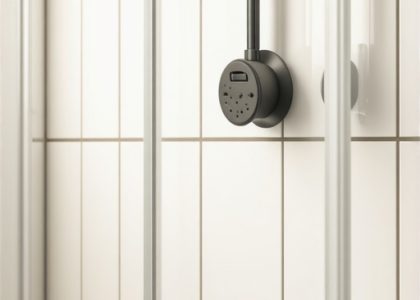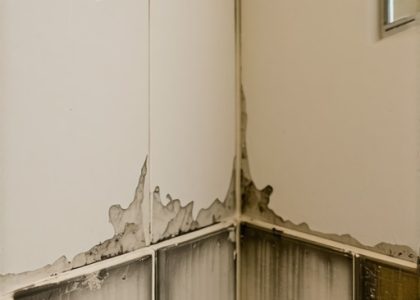
Most guys think they can slap some thin-set on a piece of green board and call it a day. It is a disaster waiting to happen. I spent two weeks last winter tearing out a shower where the tile was falling off in sheets because the installer used the wrong mastic in a wet area. The mold behind the wall was so thick it looked like black velvet. It did not have to be that way. I spent three days grinding concrete on a job last month just so the floor would not click like a castanet, and that same level of obsessive prep is what prevents shower rot. If you ignore the subfloor and the backing chemistry, you are just building a timed bomb of mildew.
The microscopic porous nightmare
Grout resin tactics in 2026 involve replacing traditional cementitious fillers with hydrophobic polymers that physically block water penetration at the molecular level. This approach eliminates the capillary action that allows moisture to seep behind tile where mold thrives. Standard grout is essentially a hard sponge. It looks solid, but under a microscope, it is full of tiny tunnels. These tunnels invite soapy water, skin cells, and humidity into the wall cavity. Once that moisture gets behind the tile, it is trapped. Bleach can only reach the surface of the grout, leaving the roots of the mold alive and well inside the cement. The resin tactic changes the physics of the joint. Instead of a porous mineral, the gap is filled with a solid, non-porous resin that bonds to the tile edge with massive force. Mold cannot grow on something that does not hold water.
“A floor is only as good as the subfloor beneath it; deflection is the enemy of every joint.” – Master Flooring Axiom
Why your shower is a petri dish
Shower mold exists because traditional grout lacks the chemical density to resist the high humidity and constant water exposure of a modern bathroom. If you look at the way most showers are built, they rely on a topical sealer. Those sealers wear off in six months. Most homeowners forget to reapply them. This leaves the grout vulnerable to every drop of water. When water sits in a cement joint, it begins to break down the lime and calcium. This creates a rough surface that catches more dirt and more spores. It is a cycle of decay. The 2026 resin tactic uses advanced epoxy and urethane blends that do not require sealers. These materials are inert. They do not react with water, and they do not provide a food source for fungus. You can scrub them with high-pressure water and they will not budge. If you want a real fix, you have to look at the chemistry of the bond.
The chemical bond that blocks the spores
Advanced resins utilize a two-part chemical reaction that creates a cross-linked polymer chain, making the grout completely impervious to water and acidic cleaners. This is not the same as the cheap grout you find at a big-box store. This is industrial-grade tech. When you mix the resin with the catalyst, you have a limited window to work. It is sticky, it is difficult to spread, and it requires a professional touch. But once it cures, it is harder than the tile itself. It fills every void. It grips the sides of the porcelain or ceramic with a tenacity that cement cannot match. This prevents the tiny hairline cracks that usually appear in shower corners. Those cracks are the highways for mold. By using a resin with a high flexural strength, the shower assembly can handle the slight shifts in the house without opening up a gap. This is how you stop mold before it starts. You can learn more about these methods in our guide on grout restoration secrets for long-lasting results which covers the transition from old systems to new ones.
A comparison of grout technologies
Choosing between cement, high-performance mortar, and resin requires understanding the Janka-like hardness and the absorption rates of each material used in your shower. While we do not use the Janka scale for grout, the principle of density remains the same. A denser material resists penetration better. Resin grout has an absorption rate of nearly zero percent. Standard cement grout can have an absorption rate as high as ten percent. That is a massive difference when you consider the volume of water a shower sees every year. The table below breaks down the technical specs of what you are putting in your walls.
| Feature | Standard Cement Grout | High-Performance Grout | 2026 Resin Tactic |
|---|---|---|---|
| Moisture Absorption | High (8-13%) | Moderate (3-5%) | Near Zero (<0.5%) |
| Stain Resistance | Low | Medium | Extremely High |
| Flexural Strength | Low | Medium | Very High |
| Chemical Resistance | Poor | Fair | Excellent |
| Expected Lifespan | 5-10 Years | 10-15 Years | 30+ Years |
The role of baseboards and transitions
Baseboards and floor transitions must be integrated into the waterproofing plan to prevent water from wicking into the drywall adjacent to the shower. I see this mistake all the time. An installer puts in a beautiful tile shower, but they use cheap MDF baseboards right up against the curb. MDF is a sponge. It will suck up any water that splashes out of the shower and rot from the inside out. You need to use PVC or solid wood treated with high-grade enamels. Better yet, use tile baseboards that are grouted with the same resin used in the shower. This creates a continuous barrier. If you are looking for aesthetic options that also perform, check out these chic baseboard designs. The transition from the shower floor to the bathroom floor is another failure point. You need a solid threshold, set in a full bed of thin-set, with no voids. Any air pocket under that threshold is a place for water to collect and grow mold. This is why baseboards makeover ideas should always prioritize moisture resistance in a bathroom environment.
“Water follows the path of least resistance; your job is to make that path lead to the drain and nowhere else.” – Master Flooring Axiom
The 1/8 inch that ruins everything
Precision in joint width is the difference between a resin grout that lasts forever and one that fails during the first year of use. If your joints are too narrow, the resin cannot get deep enough to create a structural bond. If they are too wide, the resin might sag during the cure. Most guys try to eyeball it. I use spacers for every single tile. You want a consistent 1/8 inch gap. This allows the resin to flow in and grip the full depth of the tile. It also allows for the proper amount of movement. Houses breathe. They expand in the summer and shrink in the winter. If your grout is too rigid and the joint is too thin, it will pop. The resin tactic uses polymers that have a slight bit of give. This flexibility is what keeps the seal intact. This is especially important for showers that wow because high-end large format tiles put more stress on the grout lines than small mosaics do.
Checklist for a mold proof shower installation
- Verify the subfloor is rigid with no more than L/360 deflection for tile or L/720 for stone.
- Install a vapor-proof membrane like Kerdi or Wedi over the backing board.
- Ensure the pre-slope under the pan is at least 1/4 inch per foot toward the drain.
- Use a two-part epoxy or resin grout specifically rated for wet areas.
- Avoid all organic mastics; only use polymer-modified thin-set.
- Seal the perimeter where the tile meets the baseboards with 100% silicone, never grout.
- Verify that the tile has been acclimated to the room temperature for 48 hours.
Maintaining the resin surface without chemicals
Resin grout does not require bleach or harsh abrasives because its surface is smooth enough to prevent dirt from anchoring. Most people think they need to burn the mold out with acid. All that does is eat away the cement and make the problem worse next time. With resin, you just need a pH-neutral cleaner and a soft brush. The dirt sits on top. It does not go in. You can find more details in our tile cleaning tips for a sparkling bathroom. If you find a stubborn spot, it is usually just soap scum. A little vinegar and water will take it right off. The resin is tough. It can handle the friction. But because it is non-porous, the mold has nowhere to hide. You are not cleaning the grout so much as you are just rinsing the surface. This is the future of bathroom maintenance. No more fumes. No more scrubbing until your knees hurt. Just a clean, dry surface that stays that way. If you are planning a renovation, look into showers with a style that incorporate these low-maintenance materials from the start.
The truth about waterproof vinyl in bathrooms
While LVP is marketed as waterproof, the joints are not vapor-proof, meaning moisture can still get trapped underneath and rot your subfloor. This is the contrarian truth of the flooring world. Just because the plank itself won’t be ruined by water doesn’t mean your house won’t be. If you have a leak in your shower and it gets under your vinyl floor, that water is trapped. It cannot evaporate. It will sit there and eat your plywood or turn your concrete slab into a swamp. Resin grout and tile do not have this problem if installed correctly because the entire assembly is bonded. There is no air space for water to hide. If you are going to use vinyl, you better make sure your baseboards are sealed tight to the floor. But for a wet room, tile with resin is the only way to go if you want it to last for decades. You can find more about sustainable choices in our article on eco-friendly tile solutions. If you need a professional to look at your existing setup, you can always contact us for a consultation. Proper installation is the only way to avoid the heartbreak of a moldy shower. Do not trust the marketing on the box. Trust the chemistry of the resin and the physics of the subfloor. Check our privacy policy for how we handle your data when you reach out for help. If your current grout is failing, look at how to refresh grout without replacing it as a temporary measure, but know that the resin tactic is the only permanent fix.