
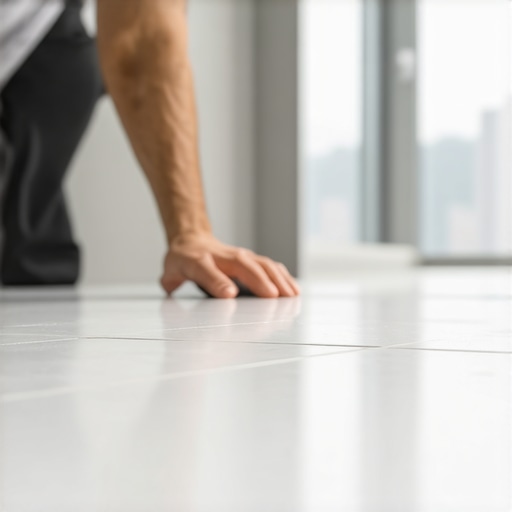
Why Durability in Bathroom Tile and Baseboards Is a Non-Negotiable for Renovation Experts
In high-traffic, moisture-prone environments like bathrooms, the longevity of tile and baseboards hinges on advanced material selection and installation precision. As an industry specialist, I understand that choosing durable materials not only ensures aesthetic appeal but also minimizes long-term maintenance costs and structural damage. The integration of high-quality ceramic, porcelain, or natural stone tiles with resilient baseboards is critical for a sustainable renovation.
Innovative Materials Elevate Bathroom Resilience and Style
Modern advancements have expanded the palette of durable tiles, including glazed porcelain and engineered stone options, which outperform traditional ceramics in resistance to water, mold, and physical impact. When paired with engineered wood or PVC-based baseboards, the result is a sophisticated yet robust finish that withstands humidity cycles and daily wear. For a comprehensive overview of eco-friendly tile solutions, consult industry white papers emphasizing sustainability and durability.
Installation Techniques That Guarantee Long-lasting Results
Proper installation is the backbone of durability. Expert techniques involve meticulous surface preparation, high-quality waterproof membranes, and precise grout application. For instance, using epoxy grout can significantly enhance resistance to staining and cracking in wet environments. Additionally, sealing tiles and grout regularly is essential—consider adopting grout restoration practices that extend the lifespan of bathroom finishes. The strategic placement of baseboards, with attention to expansion gaps and moisture barriers, further prevents warping and detachment over time.
How Do You Balance Aesthetic Appeal with Structural Durability in Bathroom Design?
What expert considerations should influence the choice of tile and baseboards to maximize longevity and style?
Balancing aesthetics and durability requires a nuanced understanding of materials’ properties and environmental factors. For example, selecting textured, slip-resistant tiles can enhance safety without sacrificing style. Similarly, choosing baseboards with moisture-resistant coatings or materials like PVC ensures visual harmony while resisting water damage. Consulting with professionals and reviewing manufacturer specifications are crucial steps in making informed decisions that result in both stunning and resilient bathrooms.
To explore innovative design ideas that combine aesthetics with functionality, visit baseboard makeover ideas. For expert installation guidance, consider reaching out via our contact page and sharing your project details.
Remember, a well-executed bathroom renovation with durable tile and baseboards is an investment in your property’s value and your peace of mind. According to the Journal of Building Engineering, selecting materials with proven durability significantly reduces lifecycle costs and enhances occupant satisfaction.
Innovate with Moisture-Resistant Baseboard Designs for Lasting Impact
One often overlooked aspect of durable bathroom renovations is the design and material choice of baseboards, which serve as both functional and aesthetic elements. Modern innovations have led to the development of moisture-resistant baseboard materials, such as PVC, composite, or treated wood, that resist warping, cracking, and mold growth. These materials not only withstand humidity but also add a sleek, contemporary look to bathrooms. For inspiration on how to elevate your space, browse chic baseboard designs for 2025 that blend durability with style.
Precision Installation and Sealant Strategies for Enhanced Longevity
Beyond material selection, installation techniques play a pivotal role in ensuring longevity. Proper sealing of grout lines, edges, and joints with high-quality, waterproof sealants prevents water ingress that can lead to deterioration over time. Applying a penetrating sealer on tiles and grout regularly fortifies the surface against moisture and stains. Employing expert methods, such as using waterproof membranes beneath tiles and precise expansion gaps around baseboards, minimizes the risk of detachment and damage. To learn more about optimal installation practices, visit baseboard installation strategies tailored for durability.
Protecting Structural Integrity with Innovative Waterproofing
One of the critical questions faced by professionals is: How can we prevent water damage from compromising the structural integrity of bathroom features? The answer lies in integrating advanced waterproofing solutions, such as liquid membranes and vapor barriers, during installation. These layers act as a shield, preventing moisture from seeping into walls and substructures, thereby extending the lifespan of both tiles and baseboards. Moreover, selecting materials with inherent water resistance, like engineered stone or certain composites, reduces the need for frequent repairs. For a detailed guide on waterproofing techniques, explore shower installation durability tips.
How do you balance advanced waterproofing measures with aesthetic preferences to create a bathroom that lasts and looks stunning?
Thoughtful integration of waterproofing technologies with design elements ensures a seamless look without compromising durability. For instance, choosing baseboards with integrated water-resistant coatings or hidden sealing systems can preserve visual harmony while providing long-term protection. Collaborating with experienced professionals and reviewing product specifications ensures that aesthetic appeal does not come at the expense of structural resilience. For additional insights into combining style with function, consider consulting baseboard makeover ideas. Additionally, regular maintenance, such as cleaning grout and inspecting sealants, sustains both appearance and performance over time. To keep your bathroom in top shape, explore grout maintenance secrets.
If you’re interested in more expert tips on durable bathroom renovations or want to share your project ideas, don’t hesitate to contact us through our contact page. Remember, investing in high-quality materials and expert installation not only boosts your bathroom’s resilience but also enhances its overall value and aesthetic appeal.
Elevate Your Bathroom Durability with Advanced Waterproofing Techniques
In the realm of high-end bathroom renovations, waterproofing transcends basic sealing and becomes a sophisticated science that safeguards your investment. Modern waterproofing solutions, like liquid membrane systems and vapor barriers, are engineered to create an impermeable shield against moisture intrusion, thereby extending the lifespan of tiles and baseboards. Such innovations are not just about preventing leaks but also about maintaining structural integrity under the relentless assault of humidity and temperature fluctuations. According to the Waterproofing Institute of America, integrating these layers during the initial construction phase results in a dramatic reduction in repair costs and mold growth.
What Are the Nuances of Applying Liquid Waterproofing Membranes for Seamless Protection?
Applying liquid waterproof membranes requires meticulous surface preparation—ensuring surfaces are clean, dry, and free from debris. The process involves multiple coats, each carefully brushed or rolled to achieve a uniform, crack-bridging layer that adheres seamlessly to substrates. This technique is particularly effective around complex architectural features such as curved corners, niches, and intricate baseboard profiles. The flexibility of these membranes allows them to accommodate structural movements without cracking, a key advantage highlighted in recent case studies by Construction Specifier.
Sealing with Precision: Sealants and Their Role in Long-Term Resilience
Sealants, especially high-quality polyurethane or silicone-based options, play a pivotal role in sealing joints, edges, and transitions where water might seep through. The choice of sealant impacts not only waterproofing but also the aesthetic finish—transparent or color-matched options are available to blend with tiles and trim. Proper application techniques, like tooling with a damp spatula and curing in optimal conditions, ensure the sealant bonds securely and remains elastic over time. Regular inspection of these joints is recommended, as wear and thermal expansion can cause deterioration. For expert insights, refer to Titebond’s comprehensive sealant guide.
How Can Environmental Factors Influence Waterproofing Material Selection?
Environmental conditions, such as temperature fluctuations, humidity levels, and exposure to cleaning agents, influence the choice of waterproofing materials. For instance, in regions with high humidity or salt air, selecting products with enhanced chemical resistance and UV stability is crucial. Engineered polymers and advanced elastomeric membranes are designed to withstand these factors, ensuring durability over decades. Consulting manufacturer datasheets and independent testing reports—like those published by UL Testing Labs—can provide critical insights into suitability for specific environments.
Interested in integrating these advanced waterproofing strategies into your next project? Reach out to our team of specialists for tailored advice and comprehensive planning. Proper waterproofing is not just a technical requirement but a strategic investment that ensures your bathroom remains beautiful and functional for generations to come.
Revolutionize Your Bathroom Renovation with Cutting-Edge Material Innovations
In the quest for longevity, the latest advancements in ceramic, porcelain, and engineered stone tiles provide unparalleled resistance to moisture, impact, and staining. Incorporating these materials into your bathroom not only elevates aesthetic appeal but also significantly reduces future repair costs. Leveraging eco-friendly options like recycled porcelain or bioceramic tiles further aligns with sustainable design practices while ensuring durability. For a comprehensive understanding of such innovations, consult the latest industry white papers available through the Ceramic Industry Journal.
Mastering Installation Techniques for Unmatched Longevity
The secret to a resilient bathroom lies in meticulous installation. Employing high-performance waterproof membranes, such as liquid-applied elastomeric coatings, creates an impermeable barrier that withstands humidity fluctuations. Precision in grout application, particularly the use of epoxy or hybrid sealants, prevents water ingress and cracking over time. Regular sealing and maintenance of grout lines are essential for preserving their protective properties. Expert installation methods, including the use of expansion joints and moisture barriers around baseboards, ensure structural integrity and aesthetic consistency.
Can Advanced Waterproofing Transform Bathroom Resilience?
What are the latest waterproofing innovations that professionals trust for long-lasting results?
Innovative solutions like spray-applied liquid membranes and self-healing sealants provide dynamic protection against water intrusion. These materials adapt to substrate movements and minor cracks, maintaining an unbroken barrier over decades. According to research by the Waterproofing Magazine, integrating these technologies during initial construction dramatically reduces the incidence of mold, rot, and structural damage, ultimately lowering lifecycle costs. Incorporating such solutions requires expert knowledge of substrate preparation and application techniques, emphasizing the importance of professional consultation.
Elevate Aesthetics Without Compromising Durability
Balancing visual appeal with structural resilience involves selecting textured, slip-resistant tiles and moisture-resistant baseboard materials like PVC composites or treated wood. These choices ensure safety and style coexist seamlessly, even under persistent humidity. Incorporating innovative design elements, such as hidden sealing systems and integrated water-resistant coatings, enhances both form and function. For insight into current design trends that prioritize durability, visit Design Interiors.
Precision Sealing and Material Compatibility for Long-Term Success
Applying high-grade sealants, including silicone and polyurethane variants, around edges and joints is critical for water-tight performance. Proper surface preparation—clean, dry, and free of debris—is fundamental. The use of advanced sealants with UV stability and chemical resistance extends their functional lifespan. Regular inspection and reapplication of sealants prevent deterioration caused by thermal expansion and contraction. Consult resources like Sealant Company’s expert guide for best practices.
Innovative Waterproofing Approaches to Fortify Structural Integrity
Implementing vapor barriers and liquid membrane systems during the initial phases of renovation guards against hidden moisture pathways. These layers serve as a formidable defense, especially around vulnerable areas like shower niches and baseboard joints. Advanced materials that combine flexibility with high tensile strength accommodate structural movements without cracking. A case study published by Construction Technology Review highlights how such strategies drastically diminish maintenance requirements and enhance durability.
How can professionals seamlessly integrate waterproofing innovations with aesthetic design to craft enduring, stunning bathrooms?
The integration of waterproofing systems with aesthetic elements hinges on selecting materials that offer both protection and visual harmony. Concealed waterproof membranes beneath decorative tiles and baseboards ensure an uninterrupted appearance while maintaining robustness. Collaboration with expert installers, adherence to manufacturer specifications, and ongoing maintenance—such as sealing and cleaning—are vital. To explore comprehensive strategies, visit Bathroom Design Innovations. This approach ensures your renovation not only withstands the test of time but also elevates your space’s allure and value.
Strategic Material Selection Enhances Bathroom Resilience
Choosing the right materials is vital for long-lasting bathroom renovations. Opt for high-performance ceramics, porcelain, and natural stones that resist moisture, staining, and impact. Incorporating moisture-resistant baseboards made from PVC, treated wood, or composites ensures structural integrity and aesthetic appeal over time. These selections are foundational for professionals aiming to deliver results that withstand humidity and daily wear.
Precision Installation as a Cornerstone of Durability
Expert installation techniques go beyond basic procedures. Employ waterproof membranes and high-quality sealants to create an impermeable barrier against water ingress. Proper grout choice, such as epoxy or hybrid variants, further enhances resistance to stains and cracking. Attention to expansion gaps and moisture barriers around baseboards prevents warping and detachment, securing longevity and maintaining visual harmony.
Advanced Waterproofing Transforms Bathroom Protection
Integrating cutting-edge waterproofing solutions like liquid membranes and vapor barriers during construction shields structures from hidden moisture damage. These innovations accommodate structural movements and prevent mold growth, significantly reducing long-term repair costs. Combining these with expert sealant application ensures a comprehensive defense that sustains both function and beauty.
Expert Resources for Continued Mastery
- Construction Specifier: A vital resource for technical waterproofing techniques and installation best practices, offering detailed case studies and product insights.
- UL Testing Labs: Provides independent validation of waterproofing materials, ensuring compliance with industry standards and durability expectations.
- Ceramic Industry Journal: Features the latest innovations and white papers on durable tile materials, including eco-friendly options that do not compromise resilience.
- Sealant Company’s Guide: A comprehensive manual on selecting and applying sealants for maximum longevity and aesthetic integration.
Holistic Reflection on Mastering Bathroom Durability
In-depth understanding of advanced waterproofing, material science, and installation precision elevates bathroom renovation outcomes. The key lies in selecting expert-approved materials and employing proven techniques to ensure enduring quality. For professionals committed to excellence, exploring these resources and continuously honing skills is essential. Engage with us through our contact page to share insights or seek tailored advice on durable bathroom projects.

This is a very thorough guide on the importance of durability in bathroom renovations. I particularly appreciate the detailed discussion on waterproofing techniques—it’s often overlooked but critical for long-term success. In my experience, combining high-quality sealants with proper surface preparation really makes a difference in preventing leaks and mold growth. One challenge I’ve faced is ensuring the waterproof membranes are properly integrated around complex areas like niches or curved corners. Have others found particular products or methods effective for seamless waterproofing in such tricky spots? Also, I wonder how much impact regular maintenance, like inspecting grout and sealants, truly has over a decade or more. It’s clear that investing in the right materials and tech pays off, especially when considering future repairs or property value. For anyone embarking on such projects, what are your go-to tips for coordinating waterproofing with aesthetic design without compromising either?
This post really hits the mark on the importance of selecting durable materials for bathroom renovations. I’ve had personal experience with epoxy grout—initially hesitant, but the resistance to stains and cracking after a few years was definitely worth it. The emphasis on proper installation can’t be overstated; it truly is the foundation of long-lasting results. I particularly appreciate the mention of customizing baseboard materials—PVC or treated wood has worked well in our humid climate without warping or mold issues. One thing I’ve noticed is that many underestimate the value of regular maintenance, like resealing grout and inspecting sealants annually. It’s surprising how small upkeep tasks can prolong the lifespan of these investments substantially. Do you think that integrating smart moisture sensors could be an innovative way to catch leaks early before they cause structural damage? Overall, elevating both durability and style requires careful planning, but with the right approach, it really pays off in the long run.
I really appreciate this comprehensive discussion on bathroom durability. Having recently completed a renovation myself, I can attest that choosing the right materials like glazed porcelain tiles and waterproof baseboards made all the difference in resisting moisture and wear over time. Proper installation techniques, especially around tricky areas such as niches and curved corners, definitely require extra attention—and I found that using flexible waterproof membranes helped accommodate structural movements without cracks forming. Regular maintenance, like inspecting grout lines and reapplying sealant annually, seems to preserve the integrity of the finish and prevent expensive repairs down the line. Has anyone here experimented with or recommend specific brands of waterproof membranes or sealants that perform exceptionally well in high-moisture environments? Also, I wonder if integrating moisture sensors in the grout or around the baseboards could be a game-changer for early leak detection, especially in more complex setups. Overall, balancing aesthetic appeal with durability in bathrooms takes careful planning but yields long-term satisfaction.