
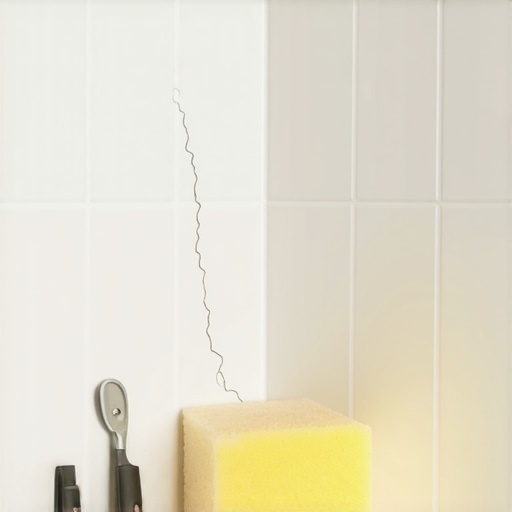
Most guys skip the leveling compound. They think the underlayment will hide the dip. It won’t. I spent three days grinding concrete on a job last month just so the floor wouldn’t click like a castanet. That is the reality of professional tile work. When you see a hairline crack in a brand new shower, you are not just looking at a cosmetic blemish. You are looking at a symptom of a deeper structural or chemical issue that occurred during the installation phase. Tiles do not crack without a reason. Either the subfloor deflected, the thin-set was mixed improperly, or the house settled in a way the installer did not anticipate. Understanding how to fix this requires a deep dive into the molecular bond of the porcelain and the mechanical stability of the assembly. I have seen fifteen thousand dollar projects ruined because a guy did not check the moisture content of the subfloor before thin-setting. It is a heartbreak that can be avoided with the right technical knowledge.
The physics of the hairline fracture
Fixing a hairline crack in a brand new shower tile involves identifying the cause of the fracture, cleaning the crack with a fine needle, and applying a color-matched epoxy resin or a specialized porcelain repair kit. This process restores the waterproof integrity of the shower surface and prevents moisture migration into the substrate, which could otherwise lead to mold growth or structural rot within the wall cavity. The first thing you need to realize is that a hairline crack is usually a stress fracture. It is a sign that the tile is under tension it was never designed to handle. Ceramic and porcelain are incredible under compression, but they have almost zero tensile strength. If the house moves, the tile breaks.
“A floor is only as good as the subfloor beneath it; deflection is the enemy of every joint.” – Master Flooring Axiom
This axiom applies to showers even more than standard floors. In a shower, you have the added variable of thermal expansion. When you turn on that hot water, the tile expands. If there is no perimeter expansion gap hidden under the baseboards or the transition strips, that expansion has nowhere to go. The tile bows, the tension increases, and snap. You get a hairline crack.
Why your subfloor is lying to you
Subfloor deflection is the primary cause of tile failure in modern residential construction where joists are spaced too far apart. To prevent hairline cracks, the L/360 standard for ceramic tile or L/720 for natural stone must be met, ensuring the plywood or cement backer board does not flex more than the thin-set mortar can accommodate. If you are seeing a crack in a brand new shower, I would bet my last trowel that there is a soft spot in the floor or a void in the thin-set. When I am on a job, I use a straight edge to find every dip. If the subfloor is not flat to within 1/8 inch over 10 feet, the tile is doomed. You can find more about high-end installations at showers that wow modern designs for 2025. The chemistry of the bond is also critical. If the installer used a cheap, non-modified thin-set on a large format porcelain tile, the bond is weak. Porcelain has a water absorption rate of less than 0.5 percent. It is basically glass. You need high-performance polymers to grab onto that surface.
The molecular chemistry of epoxy resins
Epoxy resin repair kits work by creating a chemical bond with the silica and alumina content of the tile body. These kits use a two-part catalyst system to harden into a high-density polymer that mimics the Vickers hardness of the glazed surface, effectively sealing the micro-fracture against hydrostatic pressure and capillary action. Repairing a crack is about more than just hiding it. You have to stop water from getting behind the tile. If water gets into that crack, it will sit in the thin-set. Eventually, it will break down the bond and you will have a loose tile. I always use a high-grade resin and I tint it myself. I do not trust the pre-mixed stuff from the big box stores. You need to match the grout color and the tile glaze perfectly. If you want to see how to keep the rest of your shower looking new, check out tile cleaning tips for a sparkling bathroom in 2025.
The structural reality of shower pan deflection
Shower pan deflection occurs when the mortar bed or pre-formed tray lacks the compressive strength to support the weight of the user. This causes the tile assembly to bend, leading to fractures near the drain flange or along the perimeter grout lines where shear stress is highest. If the crack is on the floor of the shower, you have a bigger problem. It might mean the mud bed was not packed tight enough. It could also mean the waterproofing membrane is failing. I have seen guys use a topical membrane and not let it cure before tiling. The moisture gets trapped, the bond fails, and the tile cracks under the weight of a person. You cannot just patch that. If the pan is moving, you have to tear it out.
Technical Comparison of Repair Materials
| Material | Bond Strength (PSI) | Cure Time | Water Resistance |
|---|---|---|---|
| Acrylic Filler | 250 | 4 Hours | Medium |
| Two-Part Epoxy | 1500+ | 24 Hours | High |
| Cyanoacrylate | 800 | 10 Minutes | Low |
| Polyester Resin | 1100 | 2 Hours | High |
The 1/8 inch that ruins everything
Expansion gaps are the most overlooked part of tile installation, yet they are the most critical for preventing long-term cracking. Per TCNA Handbook standards, an expansion joint must be placed at every change of plane and filled with 100 percent silicone sealant rather than hard grout to allow for building movement. When a tile is tight against a wall or a drain, it has no room to breathe. The house expands and contracts with the seasons. If that tile is locked in place, it will crack. I see it all the time with baseboards too. People shove the tile tight against the wall and then nail the baseboard down hard. That locks the whole floor. You need a gap. If you are dealing with grout issues, you might need grout restoration secrets for long lasting results.
“Movement joints are not optional; they are the lungs of the tile system.” – TCNA Installation Guide
Step by step guide to the surgical repair
The technical process for fixing a hairline crack requires precision tools and a steady hand to avoid damaging the surrounding glaze. You must first de-grease the area with denatured alcohol to ensure the adhesive resin can penetrate the micro-capillaries of the fractured tile.
- Clean the crack using a dental pick or a fine-gauge needle to remove any soap scum or loose debris.
- Wipe the area with 99 percent isopropyl alcohol to remove all moisture and oils.
- Mix the two-part epoxy resin according to the manufacturer specifications, adding pigment in increments.
- Apply the resin using a toothpick, allowing it to wick into the crack via capillary action.
- Level the surface using a razor blade held at a 45-degree angle before the resin fully sets.
- Buff the area with high-grit polishing paper, starting at 600 and moving to 1500 for a factory finish.
When to walk away from a cracked tile
A crack that is wider than 1/16 inch or one that continues to grow is a sign of structural failure that a simple resin repair cannot fix. In these cases, tile replacement is the only viable option, requiring the mechanical removal of the damaged piece and the re-application of the waterproofing layer. If you see a crack that goes across multiple tiles in a straight line, your house is moving. No amount of epoxy is going to fix a foundation shift. I have had to tell homeowners that their brand new bathroom needs to be ripped up because the framers did not double up the joists under the tub. It is a hard conversation, but I would rather be honest than put a band-aid on a gunshot wound. If you need a professional opinion, you can contact us for a consultation.
The ghost in the expansion gap
Ghost cracks are hairline fractures that appear and disappear based on the humidity and temperature of the room. These are caused by hygroscopic expansion of the subfloor, which puts cyclical stress on the tile bond until the ceramic body eventually fatigues and fails. This is especially common in areas with high seasonal humidity. If you live in a place where the summers are like a swamp and the winters are dry, your wood subfloor is moving. It is growing and shrinking. If the installer did not use a high-quality uncoupling membrane like Ditra or Stratamat, that movement is transferred directly to the tile. The uncoupling membrane acts as a shear stress breaker. It allows the subfloor to move without snapping the tile. It is the difference between a floor that lasts five years and one that lasts fifty. Always look for installers who understand the grout is not the only thing holding the floor together. Sometimes you can refresh the look without a full tear out by learning how to refresh grout without replacing it. Just remember that a crack in the tile is a mechanical failure, not just a dirty spot. Treat it with the respect that structural engineering deserves.