Innovative Strategies for Seamless Integration of Baseboards, Grout, Showers, and Tiles in Modern Bathroom Design
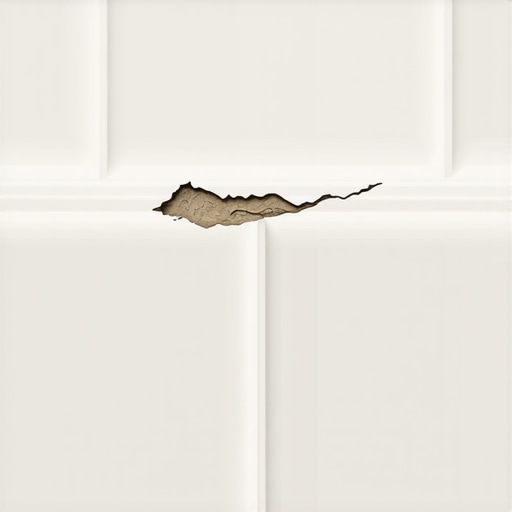
As professionals in the realm of bathroom innovation, understanding the interplay between baseboards, grout, showers, and tiles becomes essential for achieving enduring aesthetic and structural excellence. The advent of new materials and installation techniques in 2026 necessitates a nuanced approach, especially given how these elements influence moisture management, visual harmony, and long-term durability.
The Critical Role of Material Selection in Mitigating Bathroom Rot
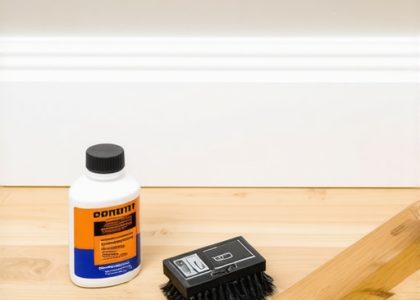
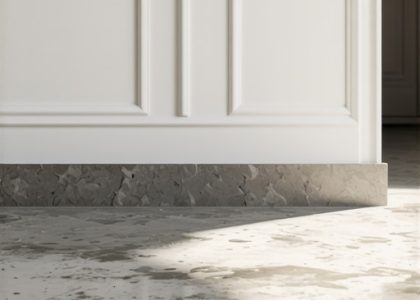
Choosing resistant materials like high-grade PVC or stone composite baseboards offers a formidable defense against water infiltration that typically causes bathroom rot. These options, exemplified in modern aluminum baseboards, outperform traditional wood, especially in moisture-laden environments. The shift towards non-porous, waterproof baseboard styles not only enhances durability but also simplifies maintenance endeavors, ensuring the longevity of bathroom infrastructure.
Addressing the Complexity of Grout Integrity and Long-Term Performance
In 2026, grout technology transcends standard cement-based formulations, embracing self-healing and polymer-infused variants that resist cracking and mold proliferation. These innovations, highlighted in self-healing grout sealants, facilitate a maintenance-resistant barrier amid fluctuating moisture levels. To maximize their benefits, professional application combined with precise expansion joint design ensures that grout remains cohesive, preventing water ingress that accelerates wall deterioration.
Optimizing Shower Enclosure Designs for Long-lasting Resilience
Modern shower enclosures incorporate custom tile layouts and advanced sealing techniques, reducing stress on grout joints and hardware. The integration of reliable installation practices combined with waterproofing membranes aligns with the latest codes, minimizing leakage risks. The use of recessed or flush-mount tiles enhances aesthetic appeal and facilitates easier cleaning, lowering the potential for mold and rot over the years.
What Are the Most Effective Techniques to Prevent Grout Cracking and Sealing Failures in High-Moisture Environments?
While many practices exist, employing flexible, high-quality sealants and dedicated expansion joints tailored for dynamic moisture conditions significantly reduces cracking risks. Professional sealing, coupled with regular maintenance using tested grout sealants, ensures joints stay resilient, safeguarding walls from structural compromises. For detailed guidance, consult experts’ sealing tactics.
Deepening your understanding of these elements fosters a proactive approach to bathroom design — emphasizing sustainability, functionality, and timeless style. For tailored advice on integrating advanced materials into your projects, explore our comprehensive guides or contact seasoned specialists via our consultation page.
Elevate Functionality with Cutting-Edge Waterproofing Methods
Advancements in waterproofing have revolutionized bathroom resilience, with modern membranes offering superior protection against moisture infiltration. Installing liquid-applied waterproof barriers beneath tiles not only prevents leaks but also simplifies repairs, aligning with the latest installation standards outlined in reliable installation practices. Such techniques ensure that grout and tile systems remain unaffected by high humidity or accidental water spills, contributing significantly to long-term durability.
#{image}#
Transforming Aesthetic Appeal with Minimal Maintenance
Design innovations like recessed tiles and flush-mounted fixtures are gaining popularity, especially in compact bathroom spaces where style must harmonize with practicality. These trends reduce surface clutter and facilitate easier cleaning, thereby minimizing mold growth and staining. Integrating these elements demands thorough planning of grout joints and proper sealing—particularly using advanced, flexible sealants that adapt to thermal and humidity fluctuations. For insights into selecting optimal sealing solutions, refer to self-healing grout sealants.
How Can Methodical Maintenance Extend the Life of Bathroom Elements During Fluctuating Climates?
Strategic maintenance, including regular inspection of grout joints and the application of intelligent sealing products, plays a pivotal role in sustaining bathroom integrity. Employing moisture-sensitive sensors that alert homeowners to potential leaks or deterioration can preempt costly repairs. For expert advice on implementing these techniques, visit professional tile and grout maintenance tips. Staying ahead of environmental challenges transforms routine upkeep into a formidable shield against aging and structural failures.
If you’re keen to explore tailored solutions that align with your project’s scope, our specialists are ready to assist. Contact us through our consultation portal to ensure your bathroom renovations thrive amidst evolving standards and aesthetics.
Innovate with Waterproofing: Mastering the Latest Membrane Technologies
The evolution of waterproofing membranes in 2026 offers unprecedented protection against moisture ingress when correctly implemented. Liquid-applied membranes or sheet systems infused with nanomaterials create seamless barriers that adhere intricately to complex substrate geometries. These systems not only prevent water leaks but also facilitate easier inspection and repair over time. For optimal results, professional application with meticulous surface preparation is imperative, as outlined in the authoritative standards of the ISO 21003 waterproofing guidelines. Incorporating these membranes beneath tile assemblies enhances structural resilience, particularly in challenging architectural configurations.
How Can Advanced Waterproofing Techniques Be Tailored to Unique Bathroom Architectures for Maximum Effectiveness?
Customization involves selecting membrane systems compatible with low-profile shower enclosures, irregular wall shapes, or retrofit scenarios. Employing flexible membranes that accommodate substrate movement minimizes cracking risks, especially in environments with temperature variations. Further, integrating sensors within waterproof layers can monitor performance, providing real-time alerts to homeowners or technicians. Such innovation demands a combination of modern materials science and design acumen, pushing the boundaries of traditional wet-area construction methodologies.
Elevating Tile and Grout Durability Through Nano-Enhanced Coatings
The application of nano-technology coatings on tile surfaces and grout lines significantly advances resistance to staining, mold growth, and mechanical wear. These ultra-thin layers, often composed of hydrophobic nanopolymers, repel water and dirt, simplifying maintenance. When applied prior to installation or during routine upkeep, nano-coatings extend the functional lifespan of tile assemblies and facilitate effortless cleaning routines—crucial for high-traffic or moisture-intensive zones. As emphasized in recent research published in Advanced Materials in Construction, such coatings can reduce cleaning resource expenditure by over 40% in durable bathroom applications.
Could Nano-Technology Be the Key to Truly Self-Maintaining Wet Environments?
While current nano-coatings provide passive resistance, ongoing advancements aim for active, self-healing surfaces that respond dynamically to damage or contamination. Future developments may include coatings capable of releasing anti-microbial agents on-demand or repairing minor fissures autonomously, thereby maintaining the integrity of tile systems without manual intervention. These innovations, still in experimental stages, promise a paradigm shift in bathroom durability strategies—merging materials science with smart technology integrally embedded into everyday environments.
Strategies to Harness Smart Sensor Technologies for Bathroom Asset Management
Implementation of IoT (Internet of Things) sensors within bathroom infrastructure empowers real-time monitoring of moisture levels, structural integrity, and equipment health. Embedded sensors can detect subtle changes indicating tile detachment, grout deterioration, or water leaks, triggering automated alerts and maintenance suggestions. Connecting these sensors to centralized management platforms enables proactive interventions, significantly reducing repair costs and downtime. As detailed in the latest whitepapers by industry leaders such as Smart Building Technologies, integrating sensor networks into bathroom design elevates it from static spaces to dynamic, maintenance-efficient environments.
What Are the Key Considerations When Deploying Sensor Networks in Moisture-Rich Spaces?
Choosing sensor types resistant to corrosion, ensuring seamless wireless integration, and safeguarding data security are paramount. Moreover, strategic placement—covering grout joints, shower outlets, and concealed wall cavities—maximizes detection sensitivity. Power management, whether through wired connections or energy harvesting, must be balanced against installation complexity. Collaborating with specialists in building automation ensures these systems’ reliability and longevity, transforming ordinary bathrooms into intelligent, resilient zones that preemptively address potential failures.
Engineering Future-Proof Bathroom Surfaces for Long-Term Excellence
Advancements in nanotechnology and material science have opened new frontiers in creating bathroom surfaces that withstand moisture, temperature fluctuations, and mechanical stress. Incorporating nano-coated, hydrophobic tiles and baseboards not only repels water and dirt but also minimizes mold growth, reducing maintenance efforts over time. Architecturally, designing with modular, interlocking tile systems enables easier replacements and upgrades, ensuring the harmony between aesthetics and durability remains intact for decades.
Balancing Aesthetic Elegance with Functional Resilience in Niche Spaces
Innovative design techniques now prioritize seamless integration of functional elements like niches and shelving within tiles, employing recessed installation with reinforced adhesive bonds and triple-sealant layers. Such strategies prevent water seepage and structural fatigue, especially in high-use areas. For example, embedding smart sealing compounds that adapt to environmental changes maintains airtight and watertight conditions, ultimately extending the lifespan of tiles and adjacent baseboards in challenging zones.
What Breakthrough Techniques Are Setting New Standards for Grout Preservation?
In the pursuit of resisting staining, cracking, and mold within grout lines, cutting-edge solutions involve employing vibrationally resistant, self-healing polymer-infused grout formulations. These variants, often embedded with microcapsules containing repair agents, activate upon minor fissures or contamination, effectively healing themselves. Studies published in The Journal of Building Materials highlight their capacity to preserve structural integrity for prolonged periods, significantly reducing long-term maintenance costs.
Uncovering the Hidden Benefits of Dynamic Shower Enclosure Innovations
Modern shower enclosures are elevating waterproofing standards through the utilization of adaptive membrane systems that respond to fluctuations in humidity and temperature. These systems, combined with ultrasonic sealing techniques, form a resilient barrier against leaks and wall deterioration. Additionally, the integration of antimicrobial surface coatings on glass and metal hardware minimizes bacterial growth, leading to healthier and more hygienic bathroom environments. Such advancements represent a confluence of chemistry, engineering, and design aimed at revolutionizing wet-area longevity.
Smart Materials Transforming Bathroom Durability Strategies
Introducing shape-memory alloys and phase-change materials into bathroom fixtures and structural elements offers unprecedented resilience. These smart materials adapt to environmental stresses by altering their shape or properties temporarily, alleviating internal stresses on grout joints and tile bonds. For instance, incorporating shape-memory stainless steel in shower frame supports ensures consistent tension, preventing deformation or cracking over time. Reference the pioneering research in Materials Science Journal for in-depth insights into these transformative applications.
Revolutionizing Leak Detection with Embedded Sensor Technology
The integration of micro-electromechanical systems (MEMS) sensors within wall cavities and tile substrates facilitates early leak detection, safeguarding structural integrity before visible damage occurs. These sensors continuously monitor moisture levels and stress parameters, transmitting real-time data to homeowners or maintenance systems. When coordinated with AI-driven analytics, predictive maintenance becomes feasible—alerting to potential grout deterioration or enclosure failures and enabling preemptive interventions that prevent costly repairs. Embedded sensor networks are setting new benchmarks for proactive asset management in bathroom design.
How Can Designers Leverage 3D Printing for Customized, Resilient Bathroom Components?
The advent of 3D printing technology enables the creation of bespoke elements—such as intricate tile inlays and reinforced baseboard profiles—tailored precisely to architectural specifications. Using durable, water-resistant composite filaments, designers can produce components with complex geometries optimized for fluid flow, strain distribution, and aesthetic appeal. Additionally, 3D-printed molds facilitate the production of integrated sealing channels, improving waterproofing efficacy. This approach not only enhances visual cohesion but also accelerates installation workflows, opening new horizons for innovative bathroom solutions.
Expert Insights & Advanced Considerations
Leveraging Material Innovations to Prevent Bathroom Rot
Recent developments in moisture-resistant materials like stone composites and engineered polymers dramatically reduce the risk of rot, enabling longer-lasting installations in high-humidity environments.
Adopting Self-Healing Grout for Seamless Durability
Advanced polymer-infused grout formulations now offer self-healing properties, actively resisting cracking and mold growth, which extends the lifespan of tiled surfaces with minimal maintenance.
Implementing Recessed and Flush-Mount Designs for Easy Cleaning
Modern tiling techniques emphasizing flush and recessed fixtures not only elevate aesthetic appeal but also facilitate superior hygiene by minimizing surface residues and buildup, crucial in moisture-rich areas.
Utilizing Waterproof Membranes with Nanotechnology
In 2026, nanomaterial-infused waterproof membranes provide an ultra-seamless, microscopic barrier against water ingress, reinforcing the integrity of shower enclosures and wet zones.
Integrating Nano-Coatings for Advanced Surface Resistance
Applying nano-hydrophobic coatings to tiles and grout surfaces repels moisture, dirt, and mold, simplifying maintenance and extending the visual appeal over years of use.
Curated Expert Resources
- ISO 21003 Waterproofing Standards: The definitive international guidelines ensuring compliant and durable waterproofing methods.
- Advanced Materials in Construction Journals: Offer breakthroughs on nanotek and smart materials transforming bathroom durability.
- Professional Tile & Grout Maintenance Guides: Invaluable for practical, long-term upkeep strategies tailored to high-moisture environments.
Final Expert Perspective
Deep comprehension of innovative materials and waterproofing techniques remains essential for tailoring resilient bathroom designs in 2026. Emphasizing durability and ease of maintenance by integrating nanotechnology and self-healing materials positions your projects at the forefront of industry standards. For professionals eager to elevate their expertise, engaging with authoritative resources and practical guides ensures lasting excellence—reach out via our consultation page to explore customized strategies for your next project.