
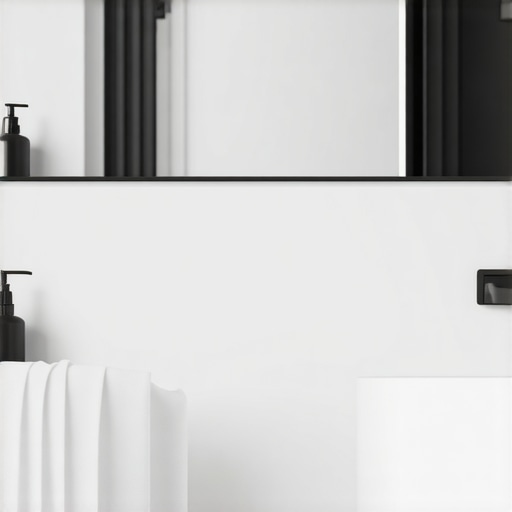
The Best Baseboard Style for a Modern Bathroom Look
Most guys skip the leveling compound. They think the underlayment will hide the dip. It won’t. I spent three days grinding concrete on a job last month just so the floor wouldn’t click like a castanet. That job was a master bathroom where the homeowner wanted a sleek, minimalist finish. They spent six figures on the bathroom but tried to save a few hundred bucks on the subfloor prep. I had to explain that if the foundation is off by even an eighth of an inch, your fancy modern baseboards will show a gap big enough to swallow a dime. This is the reality of the trade. You can buy the most expensive tile or the sleekest baseboards, but if you don’t respect the physics of the room, it will look like garbage in six months. I have sawdust under my nails and knee pads that have seen better days because I care about what happens under the surface. In a modern bathroom, the baseboard is the final handshake between the wall and the floor. If it is done wrong, the whole room feels unfinished. Modern design demands precision that leaves no room for error.
Modern bathroom baseboard aesthetics and structural integrity
Modern bathroom baseboards must prioritize moisture resistance and clean geometric lines to achieve a minimalist aesthetic. Designers often select square edge profiles or recessed shadow beads to create a seamless transition. High density materials like PVC or porcelain tile are essential for longevity in high humidity environments. A modern look is not just about the color. It is about the shadow line. It is about how the trim handles the transition from showers to the dry area. If you use standard wood trim in a bathroom, you are asking for rot. The moisture vapor transmission in a bathroom is constant. Every time someone takes a hot shower, the air fills with water molecules looking for a place to land. Wood is a sponge. It expands and contracts. This movement breaks the caulk line. Then the water gets behind the board. Then the mold starts. I always steer my clients toward moisture-insensitive materials. This isn’t just a suggestion. It is a structural requirement for a room that sees that much humidity. You need something that won’t move when the steam starts rising.
“A floor is only as good as the subfloor beneath it; deflection is the enemy of every joint.” – Master Flooring Axiom
The chemistry of moisture resistance in bathroom trim
Moisture resistance in bathroom baseboards depends on the material porosity and the chemical bond of the adhesive used. Using non-porous materials such as PVC, stainless steel, or through-body porcelain tile prevents capillary action from drawing water into the wall cavity. Proper installation requires polymer-modified thin-set or waterproof construction adhesive. When I look at a bathroom, I see a laboratory. The water on the floor is a solvent. The grout is a porous filter. If you have grout that isn’t sealed, water will travel. It will find the bottom of your baseboard. If that baseboard is MDF, it will swell. It will look like a piece of wet bread. I have ripped out miles of baseboard that looked fine on the outside but was black with mold on the backside. For a modern look, you want something thin and sharp. Many homeowners are looking at chic baseboard designs that transform rooms in 2025 to find that perfect balance of style and function. The key is to match the material to the environment. In a bathroom, that means zero organic matter. No wood fibers. No paper backing. Just solid, stable materials that laugh at water.
[IMAGE_PLACEHOLDER]
The 1/8 inch that ruins everything
Precision leveling is the foundation of modern bathroom design because the straight lines of minimalist baseboards highlight any subfloor deviation. A floor that is not perfectly flat will cause gaps between the baseboard and the tile. These gaps require thick beads of caulk which destroy the clean, modern aesthetic. I carry a ten foot straightedge on every job. I check the floor for high spots and low spots. If the floor dips, the baseboard will bridge that dip. You will see light under the trim. It looks sloppy. It looks like a DIY job. In a modern bathroom, you want the trim to look like it grew out of the wall. That requires grinding down the high spots in the concrete or using a high flow self-leveling underlayment. We are talking about tolerances of 1/8 inch over 10 feet. That is the industry standard for a reason. If you are planning showers that wow modern designs for 2025, you cannot ignore the floor prep. The drain height, the slope of the pan, and the levelness of the main floor all dictate how the baseboard will sit. Do not let your contractor tell you that the baseboard will hide the mess. It won’t. It will only magnify it.
| Material Type | Moisture Rating | Modern Aesthetic Score | Installation Difficulty |
|---|---|---|---|
| MDF (Medium Density Fiberboard) | Low | Medium | Easy |
| Solid Pine or Oak | Medium | Low | Moderate |
| PVC (Polyvinyl Chloride) | High | High | Easy |
| Porcelain Tile Strip | Maximum | High | High |
| Anodized Aluminum | Maximum | Maximum | High |
The ghost in the expansion gap
Expansion gaps are vital for the structural health of a bathroom floor even when a minimalist look is desired. Every hard surface material expands and contracts based on thermal changes. A quarter-inch expansion gap at the perimeter allows the tile to move without cracking the grout or buckling the surface. People hate the look of a gap. They want the floor to hit the wall perfectly. That is a recipe for disaster. If you don’t leave room for movement, the floor will find a way to move. Usually, it will pop a tile or crack the grout in the corner. This is why grout restoration secrets for long lasting results always include using 100 percent silicone in the change of plane. The baseboard covers this gap. In modern design, we use thinner baseboards, which means our cuts on the tile have to be much more precise. You can’t just hack the edges and cover it with a big piece of colonial trim. You need to be within an eighth of an inch so a thin, modern square-edge baseboard can cover the gap and still look sharp. This is where the skill comes in. This is where the pros are separated from the amateurs.
Why your subfloor is lying to you
Subfloors often hide moisture issues and structural deflection that can compromise the installation of modern bathroom baseboards. A concrete slab might look dry but it could be off-gassing moisture vapor that will delaminate adhesives over time. Testing with a calcium chloride kit or an in-situ probe is the only way to know the truth. If you have a wood subfloor, you need to check the joist spacing. If there is too much bounce, your tile will crack and your baseboards will pull away from the wall. I have seen beautiful bathrooms ruined because the installer didn’t check the deflection rating of the floor. You need a stiff floor for a modern look. Any movement is your enemy. When people look for baseboards makeover ideas to elevate your space, they usually think about the paint color. I think about the L/360 rating of the floor joists. If the floor bends, the baseboard pops. It is that simple. You have to build from the bottom up. If the subfloor is lying to you, the whole project is a lie. Spend the time. Spend the money. Get the floor flat and stiff before you even think about the trim.
“The beauty of the finish is a reflection of the precision of the rough-in.” – TCNA Handbook Principle
The battle between PVC and wood in wet zones
PVC baseboards outperform wood in bathrooms because they are entirely impervious to water and will never warp or rot. Modern manufacturing allows PVC trim to mimic the look of painted wood without the structural weaknesses of organic fiber. It is the superior choice for high-traffic, high-moisture areas. Wood is traditional. Wood feels high-end. But in a bathroom? Wood is a liability. Even with the best primer and paint, water will find a way in. It usually happens at the miter joints. The end grain of the wood acts like a series of tiny straws. It sucks up any water on the floor. Within a year, those joints will open up. The paint will peel. You will be looking for tile cleaning tips for a sparkling bathroom in 2025 but you will realize the problem isn’t the tile. It is the rotting wood around it. PVC doesn’t have that problem. You can soak it in a bucket of water for a month and it won’t change size by a millimeter. For a modern look, you can get PVC in clean, flat profiles that look identical to high-end architectural millwork. It is a no-brainer for a professional installer.
Protecting the wet zones near showers
The area surrounding showers requires specialized baseboard treatment to prevent water intrusion into the wall assembly. Using integrated tile baseboards or silicone-sealed transitions ensures that splashing water stays on the waterproof surface. This prevents wicking into the drywall or the studs behind the wall. I always recommend using the same tile from the floor as the baseboard in the wettest areas. This creates a cohesive, modern look. It also makes the room feel larger. When the floor material turns up the wall, it breaks the visual boundary. It is a classic design trick. But more importantly, it is a waterproofing trick. Tile is a tank. If you grout it and seal it correctly, it is a barrier. If you are trying to how to refresh grout without replacing it, you should check the transition where the baseboard meets the floor. That is the most common failure point. A bead of high-quality silicone is better than grout at that junction. It allows for the movement that every house experiences. It keeps the water out and the structure dry.
- Select a profile with a thickness of 1/2 inch or less for a minimalist appearance.
- Prioritize PVC or porcelain materials over MDF or solid wood.
- Ensure the subfloor is level within 1/8 inch over 10 feet.
- Use 100 percent silicone caulk at the floor-to-baseboard transition.
- Match the baseboard color to the wall for a seamless, modern effect.
- Install baseboards after the floor is fully cured and grouted.
Shadow gaps and the minimalist obsession
Shadow gaps or recessed baseboards represent the pinnacle of modern bathroom design by removing the traditional protrusion of trim. This look is achieved using a metal Z-profile that is installed before the drywall to create a small intentional recess at the bottom of the wall. This is a difficult install. It requires the framer, the drywaller, and the floor guy to be on the same page. If the wall isn’t perfectly straight, the shadow gap will look wavy. It is unforgiving. But when it is done right? It looks incredible. It looks like the wall is floating. You don’t have to worry about cleaning the top of the baseboard because there is no top. It is a clean, architectural detail. If you are going for this look, you need a pro. This is not a weekend warrior project. It requires careful planning of the floor thickness. If your tile is thicker than expected, your shadow gap disappears. You have to calculate the thin-set bed, the tile thickness, and the depth of the metal profile. It is a game of millimeters. This is the kind of work I love. It is technical. It is precise. It is the opposite of the slap-dash work you see in new subdivisions. It is an investment in the architecture of the home.
Comments
One response to “The Best Baseboard Style for a Modern Bathroom Look”
This article really hits home on the importance of proper subfloor prep and material choice when installing modern bathroom baseboards. I’ve seen many projects where homeowners skipped the precise leveling or opted for cheaper materials, only to regret it after things started shifting or rotting within a year. The emphasis on moisture-resistant materials like PVC or porcelain tile strips makes a lot of sense, especially in high-humidity areas. I recently worked on a bathroom where we used a through-body porcelain tile for the baseboard—it not only looked sleek but also stood up perfectly to steam and moisture without any issues. I also appreciate the detailed discussion about the shadow gap. Achieving that floating wall effect takes real skill and precise planning, but the visual payoff is worth it. My question is, for those of us working in older homes where the subfloor isn’t perfectly flat, what’s the best way to ensure a clean, minimalist look without revealing unevenness? Self-leveling compounds seem like the obvious choice, but are there any tricks to hide some irregularities while still maintaining that pristine modern aesthetic? I’d love to hear everyone’s insights.