
The porous nature of a wet slab
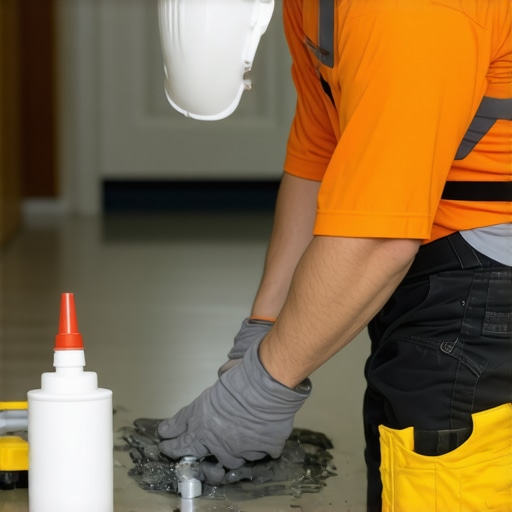
To seal a concrete bathroom floor safely, you must utilize a penetrating lithium silicate sealer or a high-solids epoxy that prevents moisture vapor transmission. These products create a hydrophobic barrier within the capillary pores of the concrete, ensuring alkali resistance and preventing mold growth under baseboards. Concrete is not the solid, impenetrable block of stone that most homeowners imagine. If you look at it under a microscope, it resembles a rigid sponge. It is full of tiny tunnels called capillaries. These capillaries are formed when the excess water used during the mixing process evaporates, leaving behind a network of voids. In a bathroom, where humidity levels often exceed sixty percent, these voids act as straws. They pull moisture from the air or from puddles near showers and drag it deep into the slab. This leads to efflorescence, which is that white, crusty salt you see on the surface. More importantly, it creates a breeding ground for biological growth that can rot your baseboards and ruin the air quality of your home. Understanding the physics of vapor drive is the only way to choose a sealer that actually works rather than one that just looks pretty for a month.
Most guys skip the leveling compound. They think the underlayment will hide the dip. It won’t. I spent three days grinding concrete on a job last month just so the floor wouldn’t click like a castanet. The homeowner wanted a quick fix for a bathroom that had been leaking for years. The concrete was saturated. We had to use industrial dehumidifiers for seventy-two hours before we could even think about a sealer. If you apply a topical sealer to a wet slab, the moisture pressure from underneath will eventually blow the coating right off the surface. It is called osmotic blistering. It turns your expensive floor into a peeling mess. You have to respect the moisture. You have to test the Calcium Chloride levels or use an in-situ probe to find the Relative Humidity of the slab itself. Anything above eighty percent RH means you are inviting a failure if you use a standard hardware store sealer.
The science of silicate penetration
A penetrating sealer works through a chemical reaction called the pozzolanic effect to densify the concrete surface. By introducing lithium or sodium silicates, the sealer reacts with calcium hydroxide in the cement paste to create calcium silicate hydrate, which is the same mineral that gives concrete its strength. This is not a film. It is a molecular change. When you apply these silicates to a bathroom floor, you are essentially making the concrete harder and less porous from the inside out. This is why professional installers prefer penetrating agents over topical acrylics in high-moisture areas. Topical sealers sit on top like a layer of plastic. They are easily scratched by the movement of baseboards or the friction of foot traffic. Once that film is breached, water gets underneath and stays there. A penetrating sealer does not have a film to breach. It lives inside the concrete. It allows the slab to breathe out water vapor while preventing liquid water from entering. This breathability is what keeps your subfloor from becoming a swamp.
“A floor is only as good as the subfloor beneath it; deflection is the enemy of every joint.” – Master Flooring Axiom
The danger of topical acrylic sealers
Topical acrylic sealers often fail in bathrooms because they cannot withstand constant hydrostatic pressure or the high alkalinity of damp concrete. These film-forming agents often trap moisture beneath the surface, leading to a white, cloudy appearance known as blushing, which eventually causes the sealer to flake and peel. I see this in every
Comments
One response to “The Best Way to Seal a Concrete Bathroom Floor Safely”
This is a really insightful post about the importance of understanding the porous nature of concrete slabs, especially in high-moisture areas like bathrooms. I’ve worked on a few renovation projects where homeowners decided to skip testing moisture levels before sealing, which often led to early failures with topical sealers. The point about using penetrating lithium silicate sealers makes a lot of sense because they seem to provide a more durable solution by internal densification, rather than just creating a surface barrier. I’ve seen a lot of DIYers struggle with blushing or peeling surfaces because they apply sealers on wet or inadequately prepared concrete. Personally, I’ve found that investing in proper moisture testing and employing the right sealing product can save quite a bit of money and headache down the line. Has anyone experimented with different brands of penetrating sealers, and if so, which ones have been most effective in real-world conditions? I’d love to hear more about successes or common issues faced during application.