
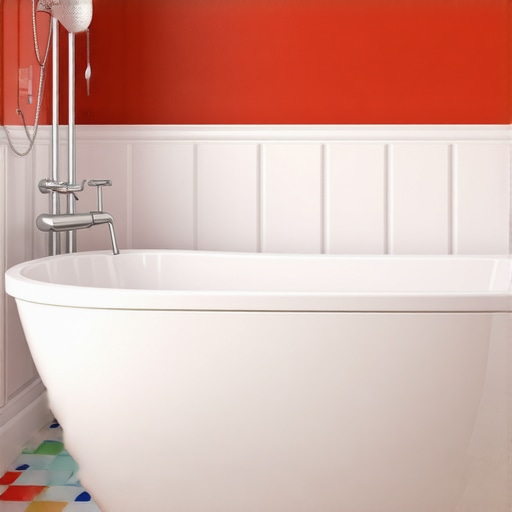
Why You Should Never Use Wood Baseboards in a Kid’s Bathroom
I once walked into a house where the homeowner complained about a musty smell in the guest bath. I pulled back a section of the white-painted pine baseboard. Behind it, the drywall was the texture of wet cake. The wood had been sucking up bathwater from the floor like a straw for three years. It was a $10,000 mold remediation job waiting to happen because someone wanted a specific aesthetic instead of a functional seal. Wood is a living, breathing material that moves with every change in humidity. In a kid’s bathroom, where the floor is basically an indoor pond twice a day, wood is a structural liability. We need to talk about the physics of water and why your baseboard choice matters more than your paint color.
The puddle that never disappears
Wood baseboards in a kid’s bathroom fail because wood is a hygroscopic material that absorbs liquid water and ambient humidity. This absorption causes cellular expansion, leading to paint failure, rot, and mold growth behind the walls. Using tile or PVC alternatives provides a permanent moisture barrier that protects the subfloor. Most people think a coat of semi-gloss paint makes wood waterproof. It does not. Paint is a skin, not a seal. Water finds the microscopic gaps at the floor line and moves upward through capillary action. Once that moisture hits the raw back of the board, it stays there. There is no airflow behind a baseboard. It becomes a dark, damp incubator for spores. If you are looking for long-term durability, you should consider chic baseboard designs that transform rooms using materials that actually handle water.
The molecular betrayal of cellulose
Wood is comprised of cellulose, hemicellulose, and lignin. These molecules are designed by nature to transport water. Even after a tree is milled and dried to a 6 percent moisture content, those cellular pathways remain open. When a child splashes water out of one of the showers with a style found in modern homes, that water sits at the junction of the floor and the wall. The bottom edge of a wood baseboard is rarely painted or sealed. This raw edge pulls water upward. This is known as the wick effect. As the cells engorge with water, they expand. When the room dries out, they shrink. This constant movement breaks the caulk bead at the top of the board. Now, steam from the shower can get behind the wall every single time the kids take a bath. You are not just dealing with a cosmetic issue; you are dealing with the slow erosion of your home’s framing.
“A floor is only as good as the subfloor beneath it; deflection is the enemy of every joint.” – Master Flooring Axiom
Why your subfloor is lying to you
A subfloor may appear dry on the surface while holding significant moisture underneath the baseboard plate. Wood trim hides this moisture, allowing it to rot the bottom plate of your wall studs over time. Transitioning to tile baseboards ensures that the vertical interface is as waterproof as the floor itself. I have seen houses in humid climates where the baseboards look fine from the front but the nails holding them to the studs have rusted through. The wood becomes a sponge. If you are working with eco-friendly tile solutions, you should extend that tile up the wall at least four inches. This is called a sanitary base. It is the only way to ensure that when a kid overflows the tub, you can just mop it up without worrying about the structural integrity of your wall. Wood baseboards in this environment are an engineering oversight.
Comparing trim materials for wet environments
| Material | Moisture Resistance | Durability | Expansion Rate |
|---|---|---|---|
| Solid Pine | Low | Medium | High |
| MDF | Zero | Low | Extreme |
| PVC/Composite | High | High | Low |
| Porcelain Tile | Absolute | High | None |
The ghost in the expansion gap
Every floor requires an expansion gap at the perimeter. This is the 1/4 inch space between the flooring material and the wall. It allows the floor to move. When you use wood baseboards, you are covering a hole that leads directly to your wall cavity. In a wet room, that gap is a highway for water. If the kids are splashing, the water goes under the baseboard and falls into that gap. It then sits on the subfloor or the slab. If you have a concrete slab, that moisture will eventually cause the adhesive on your floor to fail. If you have a plywood subfloor, it will delaminate. You need a material that can be grouted or sealed with 100 percent silicone. Wood cannot be permanently sealed to a floor because it moves too much. Porcelain tile trim, on the other hand, becomes part of the floor’s waterproof system. You can even use grout restoration secrets later on to keep it looking new.
The 1/8 inch that ruins everything
The critical failure point in any bathroom is the 1/8 inch gap where the floor meets the wall. Wood baseboards cannot bridge this gap with a permanent, waterproof bond because wood expansion coefficients differ from tile or vinyl. A rigid tile baseboard allows for a stable silicone joint. This is about the chemistry of the bond. Silicone sticks to tile. It sticks to vinyl. It does not stick well to painted wood over the long haul. The wood expands and contracts with the seasons. The silicone eventually pulls away, leaving a hairline crack. That crack is all water needs. I have spent thirty years fixing floors that were ruined by a hairline crack. People spend thousands on showers that wow but then they skimp on the trim. It is like buying a Ferrari and putting wooden wheels on it. It might look okay in the driveway, but it will fall apart the moment you use it.
A checklist for a waterproof bathroom perimeter
- Remove all existing wood or MDF baseboards before installing new flooring.
- Seal the junction of the subfloor and the wall plate with waterproof flashing tape.
- Install tile baseboards or PVC trim that is rated for direct water contact.
- Use 100 percent silicone caulk at the floor line, never use acrylic caulk in a wet area.
- Ensure the grout used for tile baseboards is sealed or contains an antimicrobial agent.
The hidden cost of big box MDF
Homeowners love MDF because it is cheap and comes pre-primed. In a bathroom, MDF is basically compressed paper. It is a sponge. If a wet towel sits against an MDF baseboard for four hours, the board will swell. It will never go back to its original shape. It looks like oatmeal under a layer of white paint. If you are planning a baseboards makeover, stay away from anything with a fiber core. You need solid polymers or ceramics. I have seen people try to save fifty dollars on trim only to spend three thousand dollars replacing the floor because the MDF wicked water into the laminate core. It is a cascade of failure that starts at the wall. Professional installers know that the trim is not just a frame for the floor. It is a component of the building envelope. Treat it with the same respect you treat your roof.
“Moisture at the perimeter is the primary cause of flooring system delamination in residential wet-service areas.” – TCNA Technical Bulletin
The chemistry of grout and tile trim
When you use tile as a baseboard, you are creating a monolithic surface. You are extending the waterproof nature of the floor up the wall. This is vital in areas near trendy showers where steam is constant. You can use epoxy grout for these transitions to ensure that no moisture ever penetrates the joint. If the grout gets dirty, you can follow tile cleaning tips to maintain the seal. You cannot scrub wood baseboards with the same intensity. Wood is soft. It dents. It scratches. In a kid’s bathroom, where toys are being smashed into the walls, wood trim will look like a war zone within six months. Porcelain tile trim is nearly indestructible. It handles the moisture, the impacts, and the cleaning chemicals without flinching. It is the only choice for a high-traffic, high-moisture zone. If your grout starts to age, you can always learn how to refresh grout to keep the room looking pristine without a full demo.