
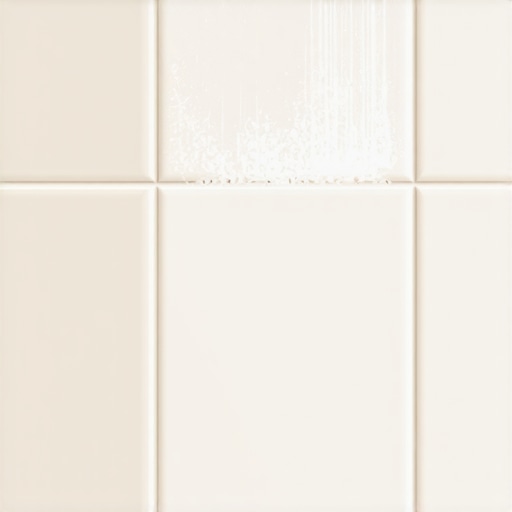
I spent three days grinding concrete on a job last month just so the floor wouldn’t click like a castanet. Most guys skip the leveling compound and they think the underlayment will hide the dip. It won’t. When you see a white film on your bathroom tiles, it is usually the same story of skipping steps or ignoring the physics of moisture. That white haze is not just an eyesore. It is a chemical signal that something is wrong with the bond, the water, or the installation itself. You are looking at a performance failure on a microscopic scale.
The unseen salt migration in your grout
Efflorescence is the migration of soluble salts to the surface of a porous material where it forms a white coating. This happens when water moves through the mortar bed or the concrete subfloor, picks up minerals, and then evaporates at the surface. The water leaves the salts behind. It is a sign that there is too much moisture beneath your tile or that the grout was mixed with too much water. When the water to cement ratio is off, the structural integrity of the grout joint is compromised. The salts, often calcium carbonate or sodium sulfate, crystallize and create that chalky film that keeps coming back no matter how much you scrub. To stop this, you have to address the moisture source. If the subfloor is wet, the film will return until the slab is dry. This is common in showers where the waterproof membrane was installed incorrectly or the pre-slope does not allow water to reach the weep holes in the drain. You can find more about maintaining these areas at tile cleaning tips for a sparkling bathroom in 2025.
“A floor is only as good as the subfloor beneath it; deflection is the enemy of every joint.” – Master Flooring Axiom
The mineral trap in your hard water
Hard water contains high levels of dissolved minerals like calcium and magnesium that bond to tile surfaces. When you run the shower, the water evaporates but the minerals stay. Over time, these minerals build up into a hard, white crust known as limescale. This is especially aggressive on dark tiles or natural stone. The chemistry is simple but the removal is a headache. These ions bond to the microscopic pores of the tile and the grout. If you do not seal your grout, you are essentially leaving a door open for these minerals to move in and take up residence. You might think a standard cleaner works, but you often need a specific acidic solution to break those mineral bonds. However, using the wrong acid can eat away at the grout itself. This is why understanding the pH of your cleaning agents is vital. If your showers look dull, it is because these minerals are scattering light rather than reflecting it. Check out showers that wow modern designs for 2025 for inspiration on low maintenance surfaces.
The lingering trauma of grout haze
Grout haze is a polymer or cementitious residue left behind when the installer fails to clean the tile properly during installation. Many modern grouts are polymer-modified to increase strength and decrease water absorption. These polymers are essentially resins. If they dry on the surface of the tile, they create a cloudy, white, or gray film that is incredibly difficult to remove with water alone. This film acts as a magnet for dirt and soap scum. I have seen baseboards ruined because people tried to scrape haze off with metal tools. Never do that. You need a dedicated grout haze remover that can dissolve the resins without damaging the glaze of the tile. If you leave it too long, it can take weeks of chemical treatment to restore the original luster. For those looking to fix old mistakes, grout restoration secrets for long-lasting results offers a deeper look at the recovery process.
| Film Type | Root Cause | Texture | Primary Fix |
|---|---|---|---|
| Efflorescence | Moisture/Subfloor Salts | Chalky, Powdery | Dry out subfloor, Acid wash |
| Hard Water Scale | Mineral Content in Water | Hard, Gritty | Chelating agents, White vinegar |
| Grout Haze | Installation Residue | Rubbery or Dull | Latex/Polymer remover |
| Soap Scum | Fatty Acid/Mineral Reaction | Waxy, Smeary | Alkaline cleaner |
The chemistry of soap scum as a sealant
Soap scum is a white or gray film created when the fatty acids in soap react with the minerals in hard water. This creates a waxy substance that is not water soluble. It builds up layer by layer in showers. It is not just on the tile, it often coats the baseboards and the lower walls too. Because it is waxy, it actually repels water. This sounds good in theory, but in practice, it traps bacteria and mold spores underneath it. Most people reach for bleach, but bleach does not dissolve wax. You need a surfactant that can break down the fats. If you have been ignoring the buildup, the layer can become so thick that it requires a plastic scraper and a lot of elbow grease. For a full room refresh, including the trim, see baseboards makeover ideas to elevate your space.
- Test the film by dropping a small amount of vinegar on it. If it fizzes, it is calcium based.
- Check the grout joints for pinholes which indicate too much water was used in the mix.
- Look at the perimeter expansion gaps to ensure moisture is not trapped under the tile.
- Inspect the transition to the baseboards for signs of rising damp.
- Verify if the sealer has failed by performing a water bead test on the grout.
Why your cleaning products are lying to you
Many supermarket cleaners contain waxes or scent oils that actually contribute to the white film over time. These products promise a shine but they leave a residue that attracts dust. Every time you mop, you are just adding another microscopic layer of film. If you use a product with a high pH on a stone tile that requires a neutral cleaner, you are etching the surface. Etching looks like a white film or a dull spot, but it is actually permanent damage to the stone. It is a physical change in the texture. This is why professional installers always recommend pH-neutral cleaners. If the damage is already done to the joints, you might need to look into how to refresh grout without replacing it to save the installation. Professional grade solutions are designed to lift the dirt without leaving anything behind. Unlike big-box store specials, they do not rely on fake shine. They rely on clean chemistry.
“Efflorescence is a messenger telling you that water is where it should not be.” – Tile Council of North America Standard Logic
The structural reality of shower drainage
A white film at the base of your shower often indicates a failure in the sub-drainage system of the pan. In a traditional thick-bed installation, water goes through the grout and tile into the mortar bed. It then travels down the liner to the weep holes. If those weep holes are clogged with mortar, the water sits there. It becomes stagnant and mineral-rich. This water eventually wicks back up to the surface as the shower dries, bringing all those minerals with it. This creates a perpetual cycle of white film around the drain area. No amount of surface cleaning will fix a clogged weep hole. It requires a mechanical clearing of the drain assembly. This is the structural engineering of a bathroom. It is not about the pretty tile, it is about the water management system underneath. For those planning a new build or a total gut, showers with a style trendy ideas for small bathrooms can help you pick systems that avoid these drainage pitfalls.
Restoring the glass like finish
To remove a stubborn white film, you must identify the chemical nature of the deposit before applying any treatment. If it is efflorescence, you need a mild sulfamic acid. If it is soap scum, you need an alkaline degreaser. If it is grout haze, you need a professional haze remover. Always work in small sections. Apply the cleaner, let it dwell so the chemistry can do the work, and then agitate with a nylon brush. Rinse with clean water. Do not let the dirty water dry back onto the tile, or you are right back where you started. Use a wet vacuum to pull the slurry off the floor. Once the tile is clean and dry, seal it with a high quality penetrating sealer. This fills the micro-pores and prevents minerals from grabbing hold. It is about closing the door on future film. For more sustainable options in your renovation, consider eco-friendly tile solutions for sustainable homes in 2025. Proper maintenance is the only way to protect a high end installation from the ravages of local water chemistry and gravity. Keep your grout sealed and your showers dry. It is the only way to beat the white film for good.