
The hidden physics of condensation
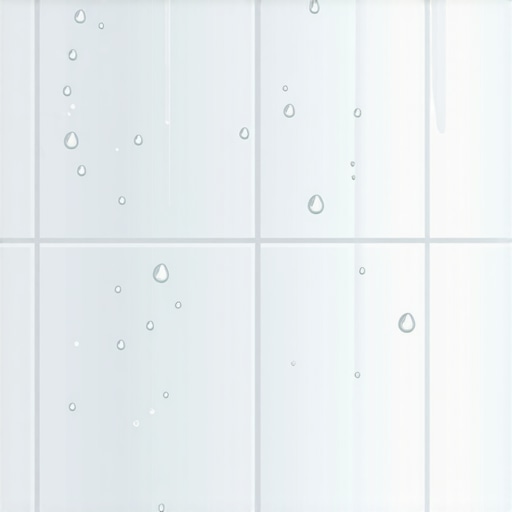
Bathroom walls sweat when warm, moisture-laden air hits a surface that is below the dew point temperature, causing water vapor to transition back into liquid. This phenomenon is driven by the psychrometric properties of your bathroom environment, where high humidity levels from showers meet the thermal mass of cold tile or painted drywall. When you step out of the steam, those droplets are not just water. They are a sign that your room has reached its saturation point. I have spent thirty years looking at baseboards and subfloors. I smell like sawdust and floor wax most days. I have seen what happens when people ignore these beads of water. It is not just a nuisance. It is a slow-motion demolition of your home structure. Most guys skip the leveling compound. They think the underlayment will hide the dip. It won’t. I spent three days grinding concrete on a job last month just so the floor wouldn’t click like a castanet. That same level of neglect happens with bathroom moisture. You think it is just a bit of steam. Then you see the grout start to turn black. You see the paint peel. That is when you realize the chemistry of your home is working against you.
The molecular failure of cheap grout
Grout is a porous cementitious material that acts as a capillary network for moisture if it is not properly sealed or maintained. Standard sanded grout has a microscopic structure that resembles a sponge, allowing liquid water and vapor to penetrate deep into the substrate behind your tile. This is why grout restoration secrets for long-lasting results are so vital for homeowners. When walls sweat, the water runs down the vertical surface and sits on the horizontal lines. If the grout is old or unsealed, that water is pulled in by capillary action. Once inside, it can reach the backer board. If you used a standard drywall or even some green boards, that moisture starts the rot from the inside out. I have pulled down tiles that looked perfect from the front but were held on by nothing but luck and black mold because the grout failed to act as a barrier. You need to understand the density of your installation. High-performance epoxy grouts have a much lower absorption rate, often less than 0.5 percent, whereas cheap bag-mixes can absorb up to 10 percent of their weight in water.
“A floor is only as good as the subfloor beneath it; deflection is the enemy of every joint.” – Master Flooring Axiom
Baseboards that act like sponges
Baseboards are often the first structural element to show signs of moisture damage because they sit at the lowest point where gravity pulls the sweating wall water. Most modern baseboards are made of Medium Density Fiberboard (MDF), which is essentially compressed sawdust and glue. When that condensation drips down the wall and pools at the bottom, the MDF wicks it up like a wick in an oil lamp. You will see the bottom edge start to swell and crumble. This is why looking into baseboards makeover ideas to elevate your space is about more than just looks. It is about choosing materials that can handle the humidity. If you are in a high-moisture area like the humid South, you should be looking at PVC or solid wood baseboards that are back-primed. If you don’t prime the back of your trim, the humidity in the wall cavity will rot it from the rear where you can’t see it until it is too late. [image]
Tile surfaces as heat sinks
Tile acts as a heat sink, meaning it absorbs and holds cold temperatures, which makes it the primary site for condensation during a hot shower. Dense porcelain has a high thermal mass. When you run a hot shower, the air temperature rises rapidly, but the tile remains cold for a much longer period. This temperature differential is what creates the sweat. If you want to stop the sweating, you have to address the surface temperature. Radiant heating systems installed behind wall tiles can keep the surface above the dew point, preventing the vapor from ever turning into a liquid. This is a common strategy in high-end showers that wow modern designs for 2025. It is not just about luxury. It is about climate control. When the tile is warm, the moisture stays in the air until the ventilation system can pull it out.
Why your vent fan is lying to you
Most bathroom exhaust fans are undersized or improperly vented, failing to move the required Cubic Feet per Minute (CFM) of air to actually lower the relative humidity. A standard bathroom needs at least 1 CFM for every square foot of space. If you have a 100-square-foot bathroom, you need a 100 CFM fan. But here is the kicker. If the ducting is too long or has too many bends, the static pressure increases and your 100 CFM fan is actually moving 40 CFM. That is why your walls are still wet an hour after you leave. You also need a gap under the bathroom door to allow for make-up air. If the fan is pulling air out but no air can get in, it creates a vacuum and stops moving air. It is simple physics. You cannot move air out of a sealed box. Check your fan. If it can’t hold a single square of toilet paper against the grille, it is not doing its job.
The structural consequence of a damp wall
Persistent wall sweating leads to the degradation of adhesives, the growth of microbial colonies, and the eventual failure of the wall substrate. When water stays on the surface, it eventually finds a path to the framing. In regions with high ambient humidity like Houston or Miami, this is a death sentence for a bathroom. The wood studs will begin to warp and pull away from the fasteners. This causes the tile to crack or the grout lines to pop. You might think you have a foundation issue, but really, you just have a moisture issue. Proper maintenance includes using tile cleaning tips for a sparkling bathroom in 2025 to remove the soap scum that actually helps trap moisture on the wall. A clean tile sheds water faster than a dirty one.
Technical Comparison of Bathroom Materials
| Material Type | Moisture Absorption Rate | Thermal Conductivity | Susceptibility to Swelling |
|---|---|---|---|
| Porcelain Tile | < 0.5% | High | None |
| Ceramic Tile | 3% to 7% | Medium | Minimal |
| MDF Baseboard | High | Low | Extreme |
| PVC Baseboard | 0% | Low | None |
| Standard Grout | High | Medium | Low |
The 1/8 inch that ruins everything
A gap as small as 1/8 inch in your caulking or a hairline crack in your grout can allow gallons of water vapor to enter the wall cavity over the course of a year. This is why I am a stickler for the NWFA and TCNA standards. They aren’t suggestions. They are rules for survival. People see a little crack and think it is cosmetic. It is an open door for vapor. Once that vapor gets behind the tile, it condenses on the cold studs and starts the rot. You have to keep your seals tight. If your grout is failing, look into how to refresh grout without replacing it to seal those pathways. Don’t wait for the wall to feel soft. By then, the structural damage is done and you are looking at a five-figure teardown.
“A bathroom is a wet-room environment; every material must be chosen for its ability to resist the inevitable vapor drive.” – TCNA Installation Handbook
The daily checklist for moisture control
- Run the exhaust fan for at least 20 minutes after every shower.
- Wipe down tile walls with a squeegee to manually remove 90 percent of the surface water.
- Keep the bathroom door cracked to allow for proper air exchange and make-up air.
- Inspect the perimeter of the tub or shower for any cracked caulk or missing grout.
- Check the baseboards for any signs of softening or paint discoloration.
If you are serious about your home, you will treat the bathroom like the engine room of a ship. It needs constant monitoring. It needs the right materials. If you use cheap, builder-grade stuff, you will be paying me or someone like me to rip it all out in five years. Do it right the first time. Use high-performance materials and respect the physics of water vapor. Your walls should stay dry and your home should stay solid. If you have questions about the right materials for your next project, it is always best to contact us before you start the demolition. Planning is cheaper than fixing.