
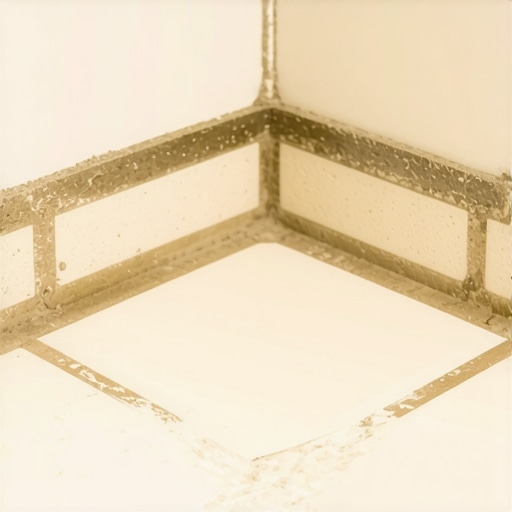
The superficial failure of quick fixes
Grout pens fail because they are temporary topical pigments that do not achieve a chemical bond with the cementitious matrix of your flooring joints. These tools are essentially markers filled with thin acrylic paint that sits on top of the grout rather than penetrating it. In environments like showers or high-traffic areas, moisture vapor and surface surfactants cause the pigment to delaminate, peel, and wash away within weeks. Real restoration requires understanding the porosity of the material and the physics of the bond. I spent three days grinding concrete on a job last month just so the floor wouldn’t click like a castanet. Most guys skip the leveling compound. They think the underlayment will hide the dip. It won’t. This same shortcut mentality is what leads people to buy grout pens at a big-box store. If the subfloor is the heart of a home, the grout is the vascular system, and you cannot fix a vascular problem with a temporary tattoo. Grout is a capillary network of tiny tunnels formed during the hydration process of cement. When you apply a cheap pen, you are trying to paint over a sponge that is already saturated with oils, soap scum, and microscopic dust. It is a recipe for immediate failure.
The ghost in the expansion gap
Expansion gaps are required at every vertical obstruction to prevent the floor from buckling or the grout from cracking due to thermal movement. When installers ignore the perimeter, the entire field of tile becomes a ticking time bomb. This movement puts stress on the grout joints, causing them to micro-fracture. If you have applied a grout pen over these micro-fractures, the movement will instantly snap the thin acrylic film of the ink. You cannot hide structural movement with a marker. Most people think their baseboards are just for decoration, but they serve as the primary cover for the 1/4 inch gap required for the floor to breathe. In many cases, the grout pens fail because the grout itself is failing from the bottom up due to subfloor deflection. If your floor has more than 1/360 of an inch of deflection, no amount of colorant will stay put. The movement will vibrate the pigment loose until it turns into a fine powder that gets sucked up by your vacuum. This is especially true near the transition to chic baseboard designs where the movement is often most pronounced.
“A floor is only as good as the subfloor beneath it; deflection is the enemy of every joint.” – Master Flooring Axiom
The physics of surface tension and soap scum
Surfactants found in modern shampoos and cleaners create a lipid barrier on the grout surface that prevents ink from adhering. Even if you think the grout is clean, the molecular reality is different. Grout is highly alkaline. Most pens are acidic or neutral. When these two chemistries meet without proper preparation, the ink remains in a state of suspension. It never truly dries. It just dehydrates into a brittle crust. In showers, the constant cycle of wetting and drying creates a phenomenon called moisture vapor transmission. Water gets behind the tile, turns into vapor, and pushes outward. This pressure is enough to pop the thin film of a grout pen right off the surface. If you want a result that lasts, you need to look at grout restoration secrets for long lasting results which involve deep cleaning with alkaline strippers to remove those lipids before any colorant is applied.
The chemical mismatch of acrylic and cement
Cementitious grout is a porous, mineral-based material that requires a silicate-based or high-solids epoxy colorant to achieve a permanent change. Grout pens are typically low-solids water-based paints. They lack the resin density to withstand the friction of foot traffic or the chemical abrasion of cleaning products. When you drag a mop across a pen-treated joint, the friction creates heat. This heat softens the acrylic resin, allowing the dirt to become embedded in the colorant itself. This is why grout pens often look gray or muddy after just a few weeks. They act as a magnet for the very dirt you were trying to hide. Real professionals use penetrating sealers or epoxy-based colorants that chemically fuse with the sand particles in the grout. This is a far cry from the felt-tip markers found in the hardware aisle. For those looking for long-term solutions, exploring how to refresh grout without replacing it is the only way to avoid the cycle of monthly repainting.
Comparing grout restoration methods
To understand why the pen fails, you have to look at the alternatives. The following table breaks down the technical reality of floor maintenance.
| Method | Bond Type | Durability | Moisture Resistance |
|---|---|---|---|
| Grout Pen | Mechanical (Topical) | Low (1 month) | Poor |
| Epoxy Colorant | Chemical (Fusion) | High (10 years) | Excellent |
| Acid Wash | Etching (Cleaning) | Medium (Seasonal) | N/A |
| Regrouting | Physical (Structural) | Very High (20 years) | High |
As the data shows, the pen is the only method that lacks a chemical or structural bond. It is the flooring equivalent of using a crayon to fix a scratch on a car. It might look okay from ten feet away in the dark, but under the light of a tile professional, the flaws are glaring. If you are dealing with moisture-heavy areas, you should consider tile cleaning tips for a sparkling bathroom that emphasize preservation over masking.
The 1/8 inch that ruins everything
Small grout joints are even more prone to pen failure because there is less surface area for the pigment to cling to. In modern tile installations, 1/16 or 1/8 inch joints are the standard. When you try to run a pen down these narrow lines, most of the ink ends up on the edge of the tile. This creates a messy look and prevents the ink from reaching the depth of the grout where it might have had a chance of staying. Furthermore, the edges of the tile are usually glazed and non-porous. The ink will never stick to the glazed edge. It will flake off the moment it dries, leaving a jagged, unprofessional line. If you are working in tight spaces like showers with a style for small bathrooms, the lack of ventilation exacerbates the drying problem, leading to a soft, gummy finish that never cures.
Why your subfloor is lying to you
A subfloor that looks flat may still have enough flex to destroy any topical treatment you apply to the tile above it. I have seen installers put down expensive stone over 5/8 inch plywood with 24-inch on-center joists. That floor is going to bounce. That bounce creates vertical shear in the grout joints. A grout pen cannot handle vertical shear. It is a rigid film. When the joint moves, the film snaps. This is the contrarian truth of the industry. While most people want the thickest underlayment, too much cushion actually causes the locking mechanisms on LVP to snap under pressure, and it causes grout in tile floors to turn into dust. You want rigidity, not a mattress. If your grout is constantly cracking or the pen is failing, check your basement. Look at the joists. If they are sagging, your grout pen is just a waste of time and money. You need structural reinforcement, not a stationery product.
“Cement is a thirsty stone; if you do not satisfy its hunger with a proper sealer, it will drink the filth of the world.” – TCNA Handbook Commentary
The checklist for a permanent grout transformation
If you are tired of the pen and want a floor that actually stays clean, follow this professional protocol. This is how we do it on high-end residential jobs where failure is not an option.
- Strip the old wax and floor finishes using a high-pH alkaline cleaner.
- Scrub the joints with a stiff nylon brush to open the pores of the cement.
- Neutralize the floor with clean water and let it dry for at least 48 hours.
- Apply a professional-grade epoxy grout colorant using a dedicated applicator brush.
- Wipe the excess immediately using a damp, not soaking, microfiber cloth.
- Allow 72 hours for a full chemical cure before exposing the area to moisture.
By following this method, you are creating a new wear layer that is waterproof and stain-resistant. This is how you achieve showers that wow without the constant maintenance of a marker. It also ensures that your baseboards stay clean, as you won’t be constantly splashing ink near the edges. For those looking for sustainable options, eco friendly tile solutions often involve using these high-durability colorants to extend the life of existing materials instead of ripping them out.
The moisture trap in the transition
The junction where the tile meets the baseboard is the most common point of failure for grout pens because it is a collection point for cleaning chemicals. When you mop, the dirty water gravity-feeds toward the walls. It sits in the corner where the tile meets the wood. This concentrated soup of chemicals eats through the thin acrylic of a grout pen in days. Moreover, baseboards are often installed with a bead of caulk at the bottom. Grout pens will not stick to silicone or latex caulk. If you try to color that line, you will end up with a sticky, smeary mess that never dries. If your baseboards need a refresh, look at baseboards makeover ideas rather than trying to paint the floor-to-wall transition with a marker. Proper maintenance is about using the right tool for the right material. A pen is for paper. Grout is for stone. Never confuse the two if you value your Saturday mornings.