
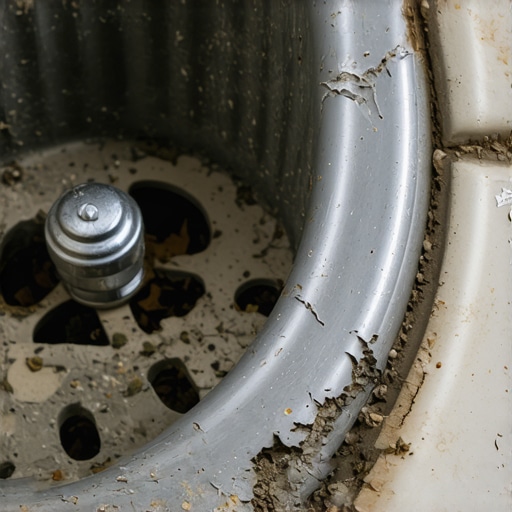
The ghost in the plumbing lines
Hardened grout in a shower drain happens when contractors or DIYers wash tools or empty buckets directly into the bathroom waste system. This portland cement based material is heavier than water and settles in the P-trap or horizontal runs, where it undergoes a chemical hydration reaction that turns a soft slurry into a solid rock that bonds to PVC and cast iron pipe walls. I spent three days grinding concrete on a job last month just so the floor wouldn’t click like a castanet, but the real nightmare was in the master bath. The previous guys thought the shower drain was a trash can. They dumped their excess sand-unsanded mix right down the pipe. By the time I arrived, the drain was a fossil. It was a $5,000 mistake that could have been avoided with a simple five gallon bucket and a sponge. This is what happens when you prioritize speed over the structural engineering of a plumbing system. You cannot just flush away high-density minerals and expect the water velocity to carry them to the city main. Physics does not work that way. When the water stops moving, the sand drops. When the sand drops, the cement crystals start to grow. It is a slow, quiet death for your plumbing.
The chemical bond that ruins your morning
Grout hardening underwater is a result of the hydraulic nature of the cementitious binder which allows it to cure even in fully submerged environments. Most modified thin-set and grout products contain polymers and calcium silicate that initiate a bond as soon as the moisture content hits the right threshold. When this slurry enters your pipes, the specific gravity of the silica sand causes it to sink to the lowest point of the P-trap. While you might think the water will wash it away, the viscosity of the mixture and the lack of turbulent flow in a standard drain line mean the grout stays put. It begins to knit together at a molecular level. It forms a plug that is often harder than the pipe itself. This is not a simple hair clog that a snake can grab. This is a structural failure of the drainage path. I have seen guys try to use chemicals to melt it. They end up melting the seals on their pipes instead. The only real solution is mechanical removal or total replacement of the trap. You have to understand that grout is designed to stay where it is put. It does not care if that place is a beautiful mosaic floor or the inside of your four inch waste line.
“A floor is only as good as the subfloor beneath it; deflection is the enemy of every joint.” – Master Flooring Axiom
The bucket sin and the lazy installer
Professional grout cleanup requires a three-bucket system to ensure that no concentrated sediment ever reaches the household plumbing. Lazy installers frequently bypass this by rinsing their sponges in the shower or sink, leading to sediment accumulation in the trap that eventually restricts 100 percent of the water flow. I smell the thin-set and the wet oak dust every day. I know when someone has been cutting corners. They think they are being efficient. They are actually being negligent. When you are working with tile cleaning tips for a sparkling bathroom in 2025, you realize that the best maintenance starts during the installation. If the grout is already in the pipe, you are fighting a losing battle against chemistry. The cement particles are jagged. They catch hair. They catch soap scum. They build a dam that grows every time you take a shower. I have pulled out plugs of grout that were six inches long and shaped perfectly like the interior of a PVC pipe. It is impressive in a tragic way. It shows a complete lack of respect for the trade and the home. If you want showers that wow, you need to make sure the parts you cannot see are as clean as the marble on the walls.
| Grout Type | Sedimentation Risk | Bonding Strength | Recommended Cleanup |
|---|---|---|---|
| Sanded Grout | Extreme High | Structural | Exterior Wash Station |
| Unsanded Grout | High | High | Multiple Bucket Method |
| Epoxy Grout | Absolute | Chemical | Solvent and Disposal |
| Pre-mixed Grout | Moderate | Adhesive | Trash Bag Disposal |
The 1/8 inch that ruins everything
Drain clearance tolerances are tight and even a small layer of grout on the bottom of a pipe can lead to chronic slow drainage and recurring clogs. This mineral buildup reduces the internal diameter of the pipe, causing hydrostatic pressure issues that can eventually lead to leaks at the 1.5 inch or 2 inch joints. Most people worry about the baseboards makeover ideas to elevate your space, but they ignore the fact that their shower is essentially sitting on a ticking time bomb of hardened cement. If you notice the water rising around your ankles, do not reach for the Drano. That acid will react with the grout and create heat, but it will rarely dissolve the silica. It might even crack your basin. You need to verify the integrity of the P-trap. If you are lucky, the grout is localized. If you are unlucky, the installer washed his tools in the toilet and the entire main line is compromised. I once worked a job in a high-rise where the grout had traveled thirty feet down a common stack. The repair bill was more than the entire bathroom remodel. That is the price of laziness.
- Always use a dedicated wash bucket for grout sponges.
- Never dump grout-tainted water into a toilet or sink.
- Allow grout buckets to settle overnight and dump the clear water outside.
- Dispose of the hardened grout