
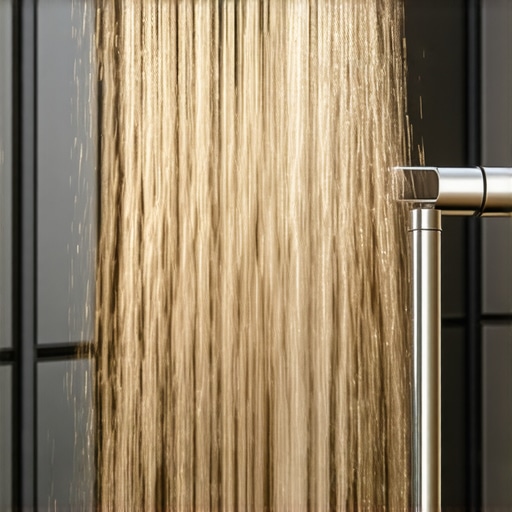
The smell of WD-40 and fresh oak dust follows me into every bathroom remodel. I spent three days grinding concrete on a job last month just so the floor would not click like a castanet because the previous guy thought a thick underlayment would hide a half-inch dip. It did not. Most guys skip the leveling compound because they are lazy. They do not understand that a floor is a performance surface. When a homeowner tells me their shower head loses pressure in the winter, I do not just look at the plumbing. I look at the whole structural system. A house is a living thing that breathes and shrinks. Most people ignore the physics of the subfloor and the chemistry of the grout until the tiles start popping like popcorn.
The ice age in your pipes
Low shower pressure in winter often stems from mineral scale hardening inside the shower head as water temperatures fluctuate, combined with pipe contraction that narrows the internal diameter of aging copper. In many cases, the reduction in flow is a symptom of broader thermal shifts affecting the bathroom structure and its substrate. When the temperature drops, the water coming into your home is colder. This cold water causes copper and galvanized steel pipes to contract slightly. While the physical narrowing of the pipe is microscopic, it increases friction against the interior walls. If you have hard water, the cold temperature makes mineral deposits more brittle. These shards can break loose and clog the tiny apertures in your shower head. This is not a plumbing mystery. It is basic thermodynamics. If you are seeing this pressure drop, you are likely also seeing issues with your grout restoration secrets for long-lasting results because the same thermal expansion is wreaking havoc on your tile joints.
“A floor is only as good as the subfloor beneath it; deflection is the enemy of every joint.” – Master Flooring Axiom
The microscopic war behind your tile
Tile and grout are not static elements but dynamic materials that react to seasonal humidity and temperature changes through expansion and contraction. When the winter air dries out, the wooden framing behind your shower walls shrinks, pulling away from the rigid tile and causing pressure on the plumbing seals. This movement is why you see cracks in the corners of your shower. It is the same reason your shower head might feel like it is struggling. The structural shifts can put stress on the pipe brackets, slightly misaligning the connection to the shower arm. If you have a high-end setup from showers that wow modern designs for 2025, you need to ensure the waterproofing membrane is flexible enough to handle this movement. A rigid thin-set without polymer additives will snap under this pressure. I have seen it a thousand times. The homeowner thinks it is a leak, but it is just a lack of an expansion joint. Porcelain has a different coefficient of thermal expansion than the wood studs it is nailed to. When winter hits, the wood wins the tug-of-war, and your grout pays the price.
| Material Type | Winter Expansion Rate | Impact on Water Flow | Subfloor Risk |
|---|---|---|---|
| Copper Piping | High Contraction | Reduced internal diameter | Minimal |
| Porcelain Tile | Negligible | None | High cracking risk |
| Wood Framing | Extreme Shrinkage | Strain on pipe joints | Structural gaps |
| Cement Grout | Brittle Failure | None | Moisture intrusion |
Why your subfloor is lying to you
The subfloor serves as the foundation for both your flooring and your bathroom fixtures, yet it is often the most neglected component during a winter renovation. Subfloor deflection, or the amount of bounce in the floor, increases as wood joists dry out and shrink in the winter months. If your subfloor is not stiff enough, the movement will travel up through the thin-set and into the tile. This movement can even vibrate the plumbing lines. I once walked into a house where the homeowner complained about a whistling sound in the pipes during January. It turned out the subfloor had shrunk so much that the heavy cast iron tub was putting uneven pressure on the supply lines. You need to check the ply-rating of your subfloor. If it is less than 3/4 inch, you are asking for trouble. Most builders use cheap OSB that swells at the first sign of moisture and then shrinks into a shriveled mess when the heater kicks on. You should be looking into eco-friendly tile solutions for sustainable homes in 2025 to find materials that handle these shifts better.
The 1/8 inch that ruins everything
Precision in the expansion gap at the perimeter of a room determines whether a floor will stay flat or buckle when the seasons change. A gap of exactly 1/8 inch is often the difference between a successful installation and a total failure of the locking mechanisms in floating floors. People think they can just run the tile or LVP tight to the wall. They are wrong. In the winter, the floor might look fine, but as soon as the humidity returns, that floor is going to hump up in the middle. This pressure can even affect the baseboards. If you are planning a baseboards makeover ideas to elevate your space, you must leave room for the floor to breathe. I use spacers on every job. No exceptions. If I see an installer without a box of spacers, I kick them off the site. The same logic applies to your shower. The transition between the floor and the wall must be a soft joint of silicone, not hard grout. If it is hard grout, it will crack by February.
- Check the shower head for calcium carbonate buildup using a white vinegar soak.
- Inspect the perimeter of the bathroom for baseboard separation.
- Ensure the humidity in the home stays between 30 and 50 percent to prevent wood shrinkage.
- Verify that the grout in the shower corners is actually 100 percent silicone.
- Flush the water heater to remove sediment that migrates to the shower head in winter.
The physics of winter bathroom shifts
Winter air holds less moisture, leading to a process called desiccation where porous materials like cement-based grout lose their internal hydration and become brittle. This loss of moisture causes the grout to pull away from the tile edge, creating microscopic pathways for water to reach the subfloor. This is why you need to know how to refresh grout without replacing it before the damage becomes structural. When the grout fails, the water from your low-pressure shower head starts seeping behind the tiles. It hits the wall studs and the subfloor. Now you have a mold problem. The low pressure you are complaining about might actually be saving you from a faster flood, but it is still a sign that the system is out of balance. The chemistry of the water also changes in winter. Municipalities often adjust their treatment levels, which can lead to higher mineral concentrations that clog your fixtures faster. It is a perfect storm of mechanical and chemical failure. If you want a bathroom that lasts, you look at the chic baseboard designs that transform rooms in 2025 and pair them with a robust moisture management system.
“Cementitious grout is a porous sieve; without a sealer, you are just inviting the outdoors into your crawlspace.” – Tile Council of North America (TCNA) Handbook
Mineral deposits and grout integrity
The relationship between hard water and tile longevity is direct. The same minerals that clog your shower head and reduce your winter water pressure also deposit on your grout lines, creating a pH imbalance that can eat away at the sealer. You need to maintain a clean surface to prevent this. I recommend following tile cleaning tips for a sparkling bathroom in 2025 to keep those minerals from bonding. If you let the scale build up, it acts like a wedge. Every time the shower heats up and cools down, those mineral crystals expand. They literally push the grout out of the joints. It is a slow-motion demolition of your shower. I have seen $20,000 bathrooms ruined because the homeowner would not spend ten dollars on a squeegee and some vinegar. You have to be smarter than the materials you are using. If the pressure is low, the water sits in the pipe longer, cools down more, and drops more sediment. It is a cycle of failure that starts at the pipe and ends at the subfloor. Don’t be the person who ignores the warning signs. Keep your shower clean, keep your humidity stable, and for the love of all things holy, check your subfloor for levelness before you lay a single tile.