
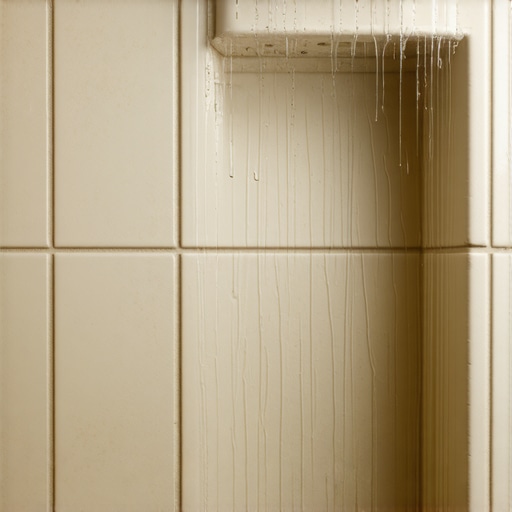
The gravity of a bad pitch
Standing water in a shower niche occurs when the horizontal shelf is not sloped toward the drain at a minimum pitch of one quarter inch per foot. This lack of slope causes water to pool against the back wall, leading to mold growth and grout failure. I spent three days grinding concrete on a job last month just so the floor wouldn’t click like a castanet, and niches are no different. They require even more precision. Last year, I walked into a master suite where the homeowner had spent twelve thousand dollars on hand-painted Italian tile. The shower niche was a work of art, but it smelled like a swamp. I put my level on the bottom shelf and the bubble was pinned to the back side. It was pitched a full eighth of an inch toward the wall. Gravity does not negotiate. If that shelf is not leaning into the shower, the water will sit. It will sit until it finds a microscopic crack in the grout or until it evaporates, leaving behind a nasty crust of soap scum and mineral deposits. This is a failure of basic structural engineering. Most installers just slap the tile down flat because it is easier to stack the side walls on a level base. But a level base in a shower is actually a defect. You need that slight, purposeful lean. Without it, you are just building a very expensive, very small birdbath in your wall.
The physics of the meniscus and surface tension
Water remains trapped in a niche due to surface tension and the meniscus effect where liquid clings to the edge of the tile or grout. If the pitch is insufficient to overcome these molecular forces, the water remains stationary regardless of the overall humidity in the bathroom. When we talk about moisture at a molecular level, we have to look at how water molecules stick to each other and to the surfaces they touch. In a shower niche, you have tile, grout, and often a metal or stone trim piece. Each of these materials has a different surface energy. A polished quartz shelf might repel water better than a porous travertine, but if the pitch is wrong, the water will still form a bead. That bead sticks to the corner where the shelf meets the back wall. This is often exacerbated by a heavy bead of silicone that was too thick. Instead of water rolling over the edge, it hits a speed bump of caulk and stops. To prevent this, the installer must ensure the ‘lip’ of the niche is lower than the back. We are talking about fractions of an inch that determine if your bathroom stays clean or becomes a breeding ground for black mold. You can check this by pouring two ounces of water onto the shelf. If it does not immediately move toward the drain, your geometry is flawed.
“A floor is only as good as the subfloor beneath it, deflection is the enemy of every joint.” – Master Flooring Axiom
The chemistry of thinset slump
Thinset slump happens when the adhesive mortar beneath the tile compresses or shifts during the curing process, causing a perfectly sloped tile to flatten out. This often occurs when installers use too much water in the mix or apply the mortar in too thick of a layer. Choosing the right mortar is a science. If you use a standard unmodified thinset on a large format porcelain tile in a niche, you are asking for trouble. You need a polymer-modified mortar with high sag resistance. I have seen guys set a niche shelf with a perfect pitch, only to come back the next morning and find it flat. Why? Because the weight of the tiles stacked on top of it pushed the mortar down. The adhesive literally slumped under the pressure. This is why I advocate for the use of mechanical wedges during the curing process. You have to lock that pitch in place while the chemical bond forms. If the mortar is too wet, the water evaporates and the volume of the bed shrinks, which can pull the tile back toward the wall. It is a chain reaction of bad chemistry. Using a premium, rapid-setting mortar can mitigate this, as it reaches structural integrity before the weight of the wall tiles can ruin the slope. This is the difference between a pro job and a ‘builder-grade’ disaster.
Why grout is not a raincoat
Grout is a porous material that absorbs water rather than repelling it, which means standing water on a niche shelf will eventually soak through to the substrate. Even high-performance grouts require proper drainage to prevent the underlying waterproofing membrane from being constantly saturated. People think grout is the primary defense against water. It isn’t. Grout is the cosmetic filler that handles compression. If you want to keep your walls dry, you need to understand the permeability of your materials. When water sits on a shelf, it enters the grout via capillary action. It travels down through the cementitious matrix until it hits the waterproofing membrane. If the membrane was installed correctly, the water eventually works its way out, but it takes forever. If the shelf is pitched back, that water just sits against the membrane, creating a ‘sandwich’ of moisture that never dries. This is how you get those mysterious orange or pink stains in your grout. It is bacteria living in the wet zone beneath the surface. You can try tile cleaning tips for a sparkling bathroom in 2025, but if the water is trapped, the stain will return within weeks. You have to fix the drainage, not just scrub the surface. If the grout is already crumbling, you might need to look into grout restoration secrets for long-lasting results to bridge the gap while you plan a permanent fix.
The hidden danger of the niche lip
The transition between the niche shelf and the main wall tile often creates a dam that prevents water from exiting the niche area. This occurs when the trim piece or the edge of the tile sits higher than the interior surface of the niche shelf. This is a classic rookie mistake. An installer will put a beautiful piece of Schluter metal trim around the niche. It looks sharp. It looks clean. But that metal trim has a thickness. If the tile inside the niche is flush with the back of the trim, the front edge of the trim acts like a dam. It might only be a sixteenth of an inch high, but that is enough to hold back a significant amount of water. You end up with a pond inside your wall. To avoid this, the shelf tile must be slightly built up at the back so that it clears the lip of the trim. I always tell my apprentices to feel the transition with their eyes closed. If your finger bumps up when moving from the niche to the wall, you have a problem. The flow must be downward and outward. Any obstruction, no matter how small, will fail the system over time. This is why I prefer solid stone thresholds for niche bottoms. They eliminate the need for front-edge grout lines and provide a single, smooth plane for water to escape.
Comparison of Niche Shelf Materials
| Material | Porosity | Thermal Expansion | Slump Risk |
|---|---|---|---|
| Ceramic Tile | High | Low | Moderate |
| Quartz Slab | Low | Low | Low |
| Natural Marble | High | Moderate | High |
| Porcelain | Near Zero | Low | Low |
Waterproofing failures behind the tile
Waterproofing failures occur when the moisture barrier behind the niche is not integrated correctly with the shelf, allowing standing water to seep into the wall cavity. This often happens at the corners where the horizontal and vertical planes meet. A shower niche is essentially a hole you cut in a perfectly good waterproof wall. You have to be an expert to seal it back up. Most guys use a liquid-applied membrane. They paint it on and think they are done. But if you don’t use reinforcing fabric in the corners, that membrane will crack when the house shifts. Even a hair-line crack is enough for standing water to migrate into the studs. Once the wood gets wet, it swells. When it swells, it pushes the tile out. Now your niche is even less sloped than it was before. It is a vicious cycle of structural decay. I have seen entire walls rotted out because of a niche that held just a tablespoon of water every morning. You need to ensure the membrane is continuous. If you are planning a renovation, look at showers that wow modern designs for 2025 to see how pros are now using pre-fabricated, waterproof niche inserts to eliminate this risk. These inserts are factory-sloped and 100 percent waterproof before they even touch your wall.
“A floor is only as good as the subfloor beneath it; deflection is the enemy of every joint.” – Master Flooring Axiom
The solution for existing standing water
Fixing a niche that holds water usually requires removing the bottom shelf tile and re-setting it with the correct pitch. In some cases, a thick layer of epoxy grout can be used to create a synthetic slope without full demolition. If you are stuck with a niche that doesn’t drain, don’t panic. You don’t always have to rip the whole bathroom out. Sometimes, we can carefully pop the bottom tile off. We clean out the old thinset, being careful not to puncture the waterproofing. Then, we re-set it using a ‘large and heavy tile’ mortar that allows us to build up the back side. If the tile is too thin to adjust, we sometimes use a piece of matching stone or quartz and laminate it right over the top. This adds thickness but guarantees a pitch. Another trick is using a high-solids epoxy grout to build a slight ramp. It is not ideal, but it beats a full demo. If you are unsure of the path forward, you should contact us for a professional evaluation. Do not let it sit. The longer water stays in that niche, the closer you are to a catastrophic mold failure behind the walls.
Niche Drainage Inspection Checklist
- Place a spirit level on the shelf to check for a forward bubble.
- Pour 2 ounces of water to see if it clears the front lip.
- Check the grout lines for softening or discoloration.
- Inspect the silicone seal at the back corners for gaps.
- Look for calcium buildup (white crust) at the front edge.
The final word on drainage geometry
Proper drainage is the only way to ensure the longevity of a tiled shower niche. Without a calculated pitch and high-quality installation materials, the niche will inevitably become a liability rather than an asset. It comes down to the installer’s pride. A guy who cares will check his pitch five times before the mortar sets. A guy who is just looking to get to the next job will leave it flat. You have to be the advocate for your own home. Ask the hard questions. Ask about the pitch. Ask what kind of waterproofing they are using. If they tell you that ‘grout is waterproof,’ fire them on the spot. They are lying to you. A shower is a high-stress environment where physics and chemistry meet. If you ignore the rules of either, the house always loses. Take the time to do it right, and your niche will be a beautiful, dry, and functional part of your home for decades. If you skip the details, you are just waiting for a leak. Focus on the geometry and the rest will follow. Every eighth of an inch matters. Every degree of slope is a victory against rot and decay. Keep your shelves slanted and your walls dry. That is the master flooring architect way.