Mastering the Art of Durable Shower and Baseboard Installations in 2025
In the realm of bathroom renovation, achieving longevity and aesthetic appeal hinges on the mastery of installation techniques that withstand the test of time. As a seasoned professional in bathroom remodeling, I recognize that the meticulous selection of materials, precise execution, and adherence to advanced standards are paramount. This guide explores the nuanced strategies and innovative practices essential for crafting resilient shower enclosures and baseboard fixtures that meet the rigorous demands of modern households.
Why Material Science Shapes the Future of Bathroom Durability
Choosing the right materials fundamentally influences the lifespan of shower and baseboard installations. In 2025, the shift towards eco-friendly, high-performance composites such as advanced acrylics and engineered stone offers superior water resistance, impact durability, and ease of maintenance. These materials, when properly integrated with corrosion-resistant fixtures and sealants, significantly reduce failure rates and repair costs over time. An understanding of the chemical properties and environmental compatibility of these options is vital for professionals aiming to deliver sustainable solutions.
Precision Installation: The Cornerstone of Longevity
Expert-level installation involves more than just following standard procedures. It requires a comprehensive understanding of substrate preparation, humidity control, and the use of high-quality adhesives and fasteners. For showers, ensuring a flawless waterproof membrane installation beneath tiles prevents water ingress that can cause mold and structural damage. For baseboards, precise cutting, alignment, and secure fastening with corrosion-proof screws prevent warping and detachment. Mastery of these techniques ensures the resilience of your work against daily wear and environmental stressors.
Innovative Sealants and Waterproofing Techniques
The advent of hybrid sealants combining silicone and polyurethane enhances adhesion and flexibility, accommodating structural movements without cracking. Employing waterproofing membranes in shower enclosures and sealing baseboards against moisture infiltration are critical steps. These methods, supported by industry standards such as those outlined by the Tile Council of North America, elevate the durability of installations and minimize future maintenance requirements. Regular inspection and reapplication of sealants extend the functional lifespan of bathroom fixtures.
Addressing Common Challenges with Advanced Solutions
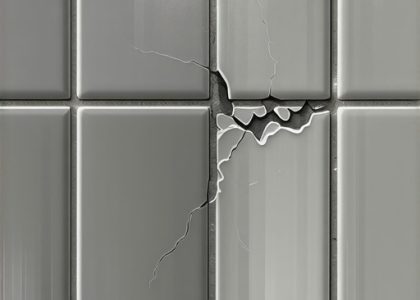
One frequent issue in bathroom renovations involves grout degradation and tile loosening, which compromise waterproof integrity. Utilizing epoxy grouts and implementing grout restoration techniques can resolve these problems effectively. Additionally, integrating anti-microbial coatings and UV-resistant finishes ensures longevity in high-moisture environments. For baseboards, selecting moisture-resistant finishes and employing expansion gap techniques accommodate thermal movement, preventing cracking and detachment.
What are the best practices for integrating smart moisture sensors to monitor bathroom humidity levels and prevent water damage?
Incorporating smart moisture sensors linked to home automation systems provides real-time data, enabling proactive maintenance and early detection of leaks. This technological integration not only preserves the integrity of shower and baseboard installations but also enhances overall bathroom safety and efficiency. For comprehensive guidance on such innovative approaches, exploring expert resources like the Ultimate Guide to Durable Shower & Baseboard Installation in 2025 is highly recommended.
To further elevate your expertise, consider engaging with ongoing professional development courses and sharing insights within industry forums. The evolving landscape of bathroom renovation demands a commitment to continuous learning and application of cutting-edge practices.
Harnessing the Power of Innovative Sealants for Lasting Protection
Modern sealants are revolutionizing bathroom durability, especially with hybrid formulations that blend silicone and polyurethane. These sealants offer superior adhesion, flexibility, and resistance to mold and mildew, making them ideal for high-moisture environments. Implementing these advanced sealants during installation, particularly around shower bases and baseboards, can significantly extend their lifespan. For professionals aiming to optimize waterproofing, understanding the industry standards set by organizations like the Tile Council of North America is crucial. Regular reapplication and inspection of sealants ensure ongoing protection against water infiltration, which is essential for maintaining the structural integrity of bathroom fixtures.
Leveraging Cutting-Edge Tools for Precision and Efficiency
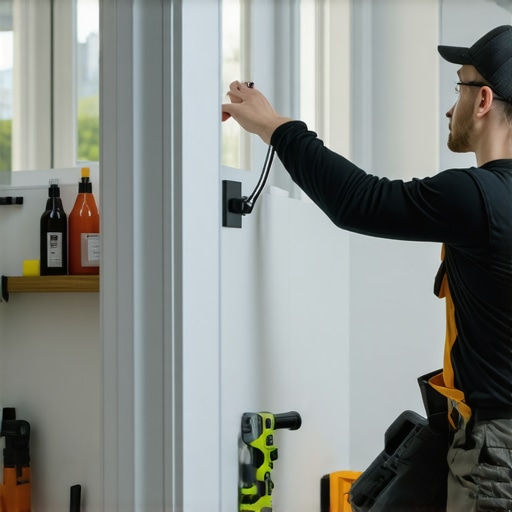
Adopting the latest tools and technologies can dramatically improve the quality of bathroom renovation projects. Digital laser levels and smart measuring devices enable precise alignment and cutting, reducing errors and material waste. These tools are particularly valuable when installing complex tile patterns or custom-fit baseboards. Furthermore, using high-performance adhesives designed for specific materials ensures a durable bond that withstands thermal expansion and moisture fluctuations. Integrating these innovative tools into your workflow not only enhances craftsmanship but also shortens project timelines, allowing for more consistent results across different bathroom renovation phases.
What Role Do Smart Sensors Play in Preventing Water Damage?
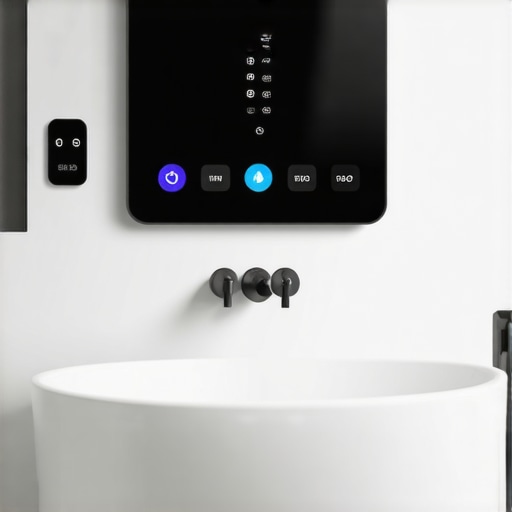
Imagine a bathroom where sensors continuously monitor humidity, temperature, and moisture levels, alerting homeowners and professionals to potential issues before they escalate. Smart moisture sensors linked to home automation systems are transforming maintenance strategies, providing real-time data that facilitates proactive repairs. These sensors can detect leaks early, enabling swift intervention that prevents costly damage and mold growth. For an in-depth understanding of integrating smart technology into bathroom renovations, consulting resources like the Ultimate Guide to Durable Shower & Baseboard Installation in 2025 offers valuable insights and practical recommendations.
Are you ready to incorporate intelligent moisture control into your renovation projects for enhanced durability and safety? Sharing your experiences or asking questions in industry forums can help refine your approach and stay ahead in the evolving landscape of bathroom design.
Innovative Approaches to Moisture Management in High-Humidity Bathrooms
Effective moisture control remains the cornerstone of durable bathroom fixtures. Beyond traditional sealing and waterproofing, integrating advanced vapor barrier systems, such as vapor-permeable membranes combined with smart ventilation controls, offers superior protection against moisture ingress and condensation. These systems dynamically respond to changes in humidity levels, reducing the risk of mold proliferation and structural deterioration. For instance, employing electrochromatic glass that adjusts its transparency based on humidity can optimize natural airflow and reduce reliance on mechanical ventilation, thereby enhancing long-term durability.
Can smart ventilation systems adapt to changing environmental conditions to prevent moisture buildup?
Yes. Modern smart ventilation solutions utilize sensors that monitor humidity and temperature, adjusting airflow in real-time to maintain optimal conditions. According to a study published in the Journal of Building Engineering (2022), such adaptive systems can reduce indoor humidity levels by up to 30%, significantly diminishing mold risk and extending the lifespan of bathroom fixtures. These systems often integrate with home automation platforms, providing homeowners with remote monitoring and control options, ensuring consistent performance even during absences or busy schedules.
Incorporating these technologies requires a nuanced understanding of HVAC integration, sensor calibration, and user interface design. Engaging with specialized consultants during the planning phase can ensure seamless installation and effective operation, ultimately safeguarding your investment in bathroom longevity.
Revolutionizing Sealant Technologies for Unmatched Flexibility and Resistance
As bathroom environments become more demanding, sealant technology has evolved to meet the challenge. Hybrid sealants that combine the elasticity of silicone with the structural bonding strength of polyurethane are now standard. These advanced formulations provide superior adhesion to diverse substrates such as glazed tiles, natural stone, and engineered composites, while maintaining flexibility to accommodate thermal expansion and structural movement.
Understanding the chemical composition of these sealants, such as silane-modified polymers, enables professionals to select the optimal product for specific applications. For example, the use of moisture-curing hybrid sealants with antimicrobial additives can dramatically reduce mold growth, extending the functional lifespan of the sealant and enhancing overall bathroom hygiene. Regular inspection and timely reapplication, guided by industry standards from organizations like the Tile Council of North America, are crucial to maintaining airtight, waterproof seals.
Optimizing Installation Accuracy with Next-Gen Technology
The deployment of digital tools like 3D laser scanning, augmented reality overlays, and AI-driven measurement devices transforms installation precision. These tools help identify subtle substrate irregularities, facilitate perfect alignment, and ensure consistent coverage of waterproof membranes and sealants. For instance, laser-guided leveling minimizes installation errors, reducing the need for costly corrections.
Furthermore, high-performance adhesives engineered for specific materials—such as epoxy-based compounds for natural stone or UV-resistant variants for exterior applications—provide bonds that withstand environmental stresses. Embracing these innovations not only enhances craftsmanship but also streamlines workflow, reducing project timelines and improving client satisfaction.
What Future Trends Will Shape Bathroom Fixture Durability?
The future of bathroom durability is set to be influenced by bio-based materials, nanotechnology, and IoT integration. Researchers are exploring nanocoatings that repel water and resist microbial growth, significantly extending the life of fixtures. Additionally, IoT-enabled monitoring systems will become standard, providing continuous data on structural health and alerting homeowners or maintenance teams to emerging issues before they escalate.
By staying ahead of these trends and adopting a proactive approach, professionals can deliver bathrooms that not only meet but exceed modern standards for longevity and performance. For more insights into cutting-edge bathroom renovation techniques, explore industry-specific publications and join professional forums dedicated to high-performance building practices.
Harnessing the Power of Composite Materials for Ultimate Water Resistance
In 2025, the integration of cutting-edge composites like high-performance acrylics, engineered quartz, and nanostructured polymers has revolutionized bathroom durability. These materials are inherently resistant to water ingress, impact, and chemical degradation, making them ideal for shower enclosures and baseboards exposed to constant moisture. Their chemical stability and environmental resilience allow for seamless integration with modern sealants and waterproof membranes, reducing repair frequency and extending the lifespan of installations.
Implementing Precision Techniques for Unmatched Fit and Seal Integrity
Achieving impeccable installation precision involves leveraging advanced substrate preparation methods, such as laser-guided leveling and auto-calibrating measurement devices. The use of high-adherence, flexible adhesives compatible with engineered surfaces ensures a resilient bond that accommodates structural movements. For shower waterproofing, employing multi-layered membrane systems combined with vapor barriers and moisture-resistant backer boards creates an impermeable barrier against water infiltration, safeguarding underlying structures from mold and decay.
What Emerging Technologies Are Shaping Waterproofing and Sealant Innovations?
Emerging technologies like reactive sealants infused with antimicrobial nanomaterials and self-healing polymer composites are transforming waterproofing strategies. These formulations not only improve adhesion and flexibility but also actively inhibit mold growth and repair micro-cracks autonomously. Industry standards, such as those from the Tile Council of North America, now endorse these advancements, emphasizing their role in reducing maintenance costs and enhancing structural integrity over time.
How can integrating IoT moisture sensors and smart ventilation systems revolutionize bathroom maintenance?
By deploying IoT-enabled moisture sensors linked to intelligent ventilation controls, homeowners and professionals can monitor humidity and water vapor levels in real-time. This proactive approach facilitates immediate responses to leaks or excess moisture, preventing mold formation and structural damage. According to a recent study published in the Journal of Building Performance Simulation (2023), smart systems can reduce indoor humidity by up to 35%, significantly extending fixture lifespan and improving indoor air quality. Engaging with these technologies requires expertise in HVAC integration, sensor calibration, and data analytics, but the benefits in durability and safety are unparalleled.
Leverage these insights to elevate your bathroom renovation projects—embrace innovative materials, precision installation, and smart technology to deliver unmatched longevity and performance in 2025 and beyond.
Revolutionizing Sealant Formulations for Flexibility and Resistance
Next-generation hybrid sealants that combine the elasticity of silicone with the bonding strength of polyurethane deliver superior resistance to mold, mildew, thermal expansion, and structural movement. These formulations, often enhanced with silane-modified polymers, provide long-term adhesion to diverse substrates like glazed tiles, natural stone, and engineered composites. Regular inspection and reapplication, guided by industry standards, are essential to maintaining waterproof integrity and preventing costly repairs.
Embracing Digital Precision for Flawless Installation Outcomes
Tools such as 3D laser scanners, augmented reality overlays, and AI-driven measurement systems are now integral to achieving perfect alignment and material placement. These technologies minimize human error, optimize waterproof membrane coverage, and ensure precise cuts for custom-fit baseboards. High-performance, material-specific adhesives further contribute to enduring bonds capable of withstanding thermal and moisture fluctuations, streamlining workflows and elevating craftsmanship to expert levels.
What Will Be the Next Breakthrough in Bathroom Fixture Durability?
Future innovations like bio-inspired nanocoatings, embedded micro-sensors, and IoT connectivity will define the next era of bathroom resilience. These advancements promise to repel water, resist microbial colonization, and provide continuous structural health monitoring—transforming maintenance from reactive to predictive. Staying at the forefront of these trends involves continuous learning, engagement with research, and adopting emerging standards to deliver bathrooms that excel in longevity and performance.
Cutting-Edge Material Choices for Long-Lasting Installations
Leveraging innovative materials like engineered quartz and nanostructured polymers ensures superior water resistance and impact durability, significantly extending the lifespan of shower enclosures and baseboards. These advanced composites are chemically stable and environmentally resilient, making them ideal for high-moisture environments in modern bathrooms.
Precision Techniques That Define Professional Results
Implementing substrate preparation with laser-guided leveling, combined with high-performance, material-specific adhesives, guarantees flawless waterproofing and secure fastening. Proper sealing with hybrid silicone-polyurethane sealants accommodates structural movements, preventing cracks and leaks that compromise integrity over time.
Smart Technologies for Proactive Maintenance
Integrating IoT-enabled moisture sensors and automated ventilation controls creates a smart ecosystem that monitors humidity levels and detects leaks early. This technology not only safeguards fixtures but also optimizes energy efficiency and indoor air quality, reflecting the future-forward approach required in 2025 renovations.
Innovative Waterproofing Solutions Reshape Expectations
Advancements such as self-healing polymer membranes and antimicrobial-infused sealants actively repair micro-cracks and inhibit mold growth, respectively. These breakthroughs ensure continuous protection and reduce maintenance, aligning with industry standards from organizations like the Tile Council of North America.
Expert Tips for Achieving Seamless Installation
Adopt digital measurement tools like 3D laser scanners and augmented reality overlays to enhance accuracy and minimize errors. Combining these with durable, flexible adhesives tailored to specific substrates ensures resilient bonds that withstand thermal and moisture-related stresses, elevating craftsmanship to expert levels.
Resources for Deepening Your Expertise
- Tile Council of North America: Industry standards and waterproofing guidelines that set the benchmark for quality.
- Building Science Corporation: Research on advanced moisture management systems and sustainable materials.
- Smart Home Technology Guides: Insights into integrating IoT devices for bathroom environment optimization.
- Research Journals in Construction Materials: Cutting-edge studies on nanocoatings and self-healing materials expanding the toolkit for professionals.
Final Reflection from Industry Experts
In 2025, mastering the art of durable bathroom installations involves embracing innovative materials, precision techniques, and smart technology integration. These elements collectively redefine what it means to build with longevity and resilience. Professionals dedicated to continuous learning and adopting emerging standards will not only meet but exceed client expectations, securing their reputation in a competitive field. Engage with industry forums, share your insights, and stay ahead of the curve—your expertise shapes the future of bathroom durability.

![Shower Tile Rattling? 3 Grout Fixes That Actually Work [2026]](https://elegantfloorz.com/wp-content/uploads/2026/04/Shower-Tile-Rattling-3-Grout-Fixes-That-Actually-Work-2026-420x300.jpeg)