![Shower Tile Rattling? 3 Grout Fixes That Actually Work [2026]](https://elegantfloorz.com/wp-content/uploads/2026/04/Shower-Tile-Rattling-3-Grout-Fixes-That-Actually-Work-2026.jpeg)
Shower Tile Rattling? 3 Grout Fixes That Actually Work [2026]
Most guys skip the leveling compound. They think the underlayment will hide the dip. It won’t. I spent three days grinding concrete on a job last month just so the floor wouldn’t click like a castanet. That same logic applies to your shower walls. When you hear a rattle behind your tile, it isn’t a ghost. It is a structural failure of the bond between the ceramic and the substrate. I have spent twenty five years on my knees with a moisture meter and a level, and I can tell you that a rattling tile is a ticking time bomb for your home. You are looking at water infiltration, mold growth, and eventually, a total gut job if you do not act. A shower is a high stress environment where heat and moisture constantly fight the chemistry of your installation materials. When the grout cracks or the thin set loses its grip, the tile begins to vibrate. This is not just a cosmetic annoyance. It is the sound of your shower falling apart.
The physics of the bond failure
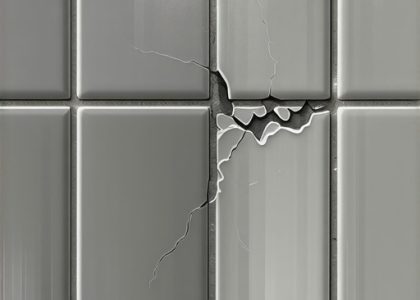
A rattling shower tile occurs when the bond between the tile and the substrate fails due to deflection or moisture. To fix this, you must stabilize the tile using specialized epoxy injections, replace the failed grout with high performance modified materials, or reinstall the loose units using ANSI A118.15 mortars. The science of a tile installation relies on the interfacial transition zone. This is the microscopic area where the cement crystals of the thin set anchor into the pores of the tile and the backer board. If the backer board was not installed with enough fasteners, or if the thin set was allowed to skin over before the tile was set, that bond is weak. Over time, the thermal expansion and contraction from hot showers causes the tile to shear away from the wall. This leaves a tiny gap where air or water can sit. When you touch it, the tile hits the wall and creates that distinct rattling sound. You are not just fixing a sound, you are restoring the structural integrity of the waterproof envelope. If you need more general advice on maintaining your space, you can find tile cleaning tips for a sparkling bathroom in 2025 that help identify these issues early.
“A floor is only as good as the subfloor beneath it; deflection is the enemy of every joint.” – Master Flooring Axiom
The epoxy injection method for stabilizing loose tiles
Fixing a rattling tile without removal requires injecting a low viscosity epoxy or specialized adhesive behind the tile through the grout lines. This method fills the void created by bond failure and creates a new chemical bridge between the tile and the backer board. I prefer this method when the tile itself is rare or impossible to replace. You start by drilling small holes into the grout around the loose tile. Do not hit the tile itself. Use a masonry bit and go slow. Once you have a path, you inject the adhesive. The epoxy must have a high modulus of elasticity to handle the thermal shocks of a shower. If you use a rigid glue, it will just snap again in six months. The chemistry here is about shear strength. You want a product that can hold up to 400 pounds per square inch of force. After injection, you must tape the tile in place to ensure it cures flat. This is about precision, not speed. If you are also dealing with aesthetic issues, check out these grout restoration secrets for long lasting results to finish the job correctly.
The grout replacement strategy for structural rigidity
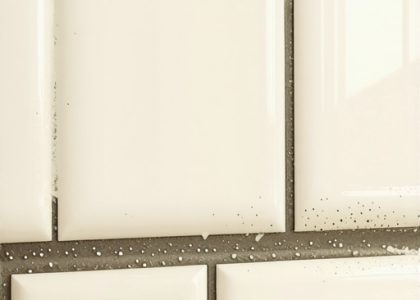
Replacing failed grout with polymer modified or epoxy grout provides a fresh structural skeleton that holds tiles in place and prevents moisture from reaching the failed bond area. Grout is not just a filler. In a properly installed shower, the grout acts as a compression member that helps distribute lateral loads. When the grout turns to powder or cracks, the tiles lose their lateral support. I always tell people to skip the cheap bagged grout from the big box stores. You want something with a high concentration of polymers. These polymers create a flexible lattice within the cement structure that can bend without breaking. You need to rake out at least two thirds of the depth of the joint. If you just smear a thin layer on top, it will flake off within weeks. This is about depth and mechanical lock. If the rattle is localized, sometimes a full refresh is better. You can learn how to refresh grout without replacing it if the structural bond is still mostly intact.
| Grout Type | Flexural Strength | Moisture Resistance | Best Use Case |
|---|---|---|---|
| Standard Cementitious | Low | Moderate | Basic dry areas |
| Polymer Modified | High | High | Standard showers |
| Epoxy Grout | Very High | Waterproof | Steam showers and floors |
| Urethane Grout | Moderate | High | DIY friendly repairs |
The complete removal and reinstallation process
The only permanent fix for a severely rattling tile is to carefully remove the unit, grind away the old mortar, and reinstall it using a premium modified thin set. This is the most invasive option, but it is the only one I trust when multiple tiles are moving. You have to be a surgeon here. Use a grout saw to isolate the tile so you do not chip the neighbors. Once the tile is out, you will likely see a dry, dusty backer board or a thin set pattern that looks like a ribcage. That ribcage pattern means the installer did not collapse the ridges. To fix it, you need to achieve 95 percent coverage for wet areas as per TCNA standards. Apply the thin set to the wall and the back of the tile, a technique called back buttering. This ensures there are no air pockets where water can collect. If your shower has a unique layout, you might look at showers with a style trendy ideas for small bathrooms to see how modern installations handle these transitions.
“Ensure 95% mortar contact in wet areas to prevent moisture pooling and bond failure.” – TCNA Handbook for Ceramic Tile Installation
The role of baseboards and perimeter joints
Perimeter joints and baseboards must be treated with flexible sealants rather than rigid grout to allow for the natural expansion and contraction of the shower pan and walls. I see this mistake constantly. Someone runs the tile all the way to the floor and grouts the corner. That corner will crack every single time because the floor and the wall move at different rates. This is called differential movement. You need a 100 percent silicone sealant in those corners. If the shower connects to a tiled bathroom floor, the way you transition to your chic baseboard designs that transform rooms in 2025 matters for the long term moisture protection of your drywall. Even baseboards makeover ideas to elevate your space must account for the humidity coming off that shower. If the baseboard is not sealed properly at the bottom, it will wick moisture and rot the bottom plate of your wall. This is how a small rattle in the shower turns into a 20,000 dollar structural repair.
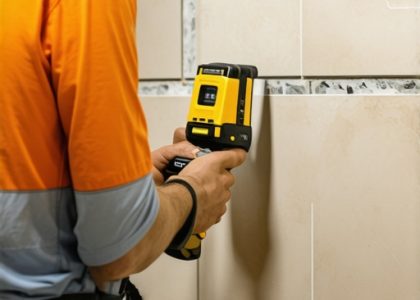
- Check tile for movement by tapping with a plastic mallet.
- Remove old grout using a carbide tipped rake or oscillating tool.
- Vacuum all dust from the joints to ensure a clean bond.
- Select a grout that matches the existing color and aggregate size.
- Seal the new grout after the full cure period of 72 hours.
- Apply silicone to all change of plane joints.
The chemistry of moisture barriers and thin set
Modern shower installations require a topical waterproofing membrane that sits directly behind the tile to prevent the substrate from becoming saturated and losing its structural capacity. In the old days, we used to put plastic behind the backer board. That kept the studs dry but let the board get soaked. A soaked board gets soft, and a soft board lets tiles rattle. Now, we use liquid applied membranes or sheet membranes. This keeps the moisture in the tile and grout layer where it can evaporate. When you are fixing a rattling tile, you have to be careful not to puncture this membrane. If you do, you have just created a leak. This is why I advocate for the injection method first if the movement is minimal. If you are planning a full renovation, look into showers that wow modern designs for 2025 and make sure your contractor is using a modern waterproofing system. If you use eco friendly tile solutions for sustainable homes in 2025, ensure the adhesives are compatible with the recycled content of the tile. For any professional help, you can always contact us to discuss your specific subfloor or tile issues.