
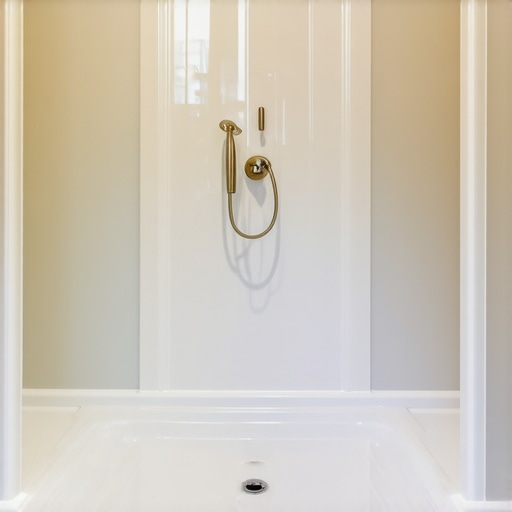
Elevating Bathroom Longevity Through Expert Baseboard and Shower Design
Ensuring the durability of shower enclosures and baseboards transcends basic installation; it embodies a meticulous understanding of material science, environmental factors, and advanced construction techniques. As a seasoned specialist in bathroom renovations, I emphasize that longevity is rooted in strategic material selection, precise installation, and proactive maintenance.
Material Choices that Resist Moisture and Wear
Innovative materials such as high-grade epoxy grouts, waterproof backer boards, and moisture-resistant baseboards are foundational. For shower surrounds, ceramic, porcelain, or even engineered stone options provide superior resistance against water infiltration and mold growth. In baseboard applications, vinyl, composite, or sealed wood variants significantly extend lifespan, especially in high-humidity areas.
Sealing Techniques and Joint Management for Long-Term Performance
Advanced sealing strategies involve the use of silicone-based sealants that maintain flexibility, accommodate slight movements, and resist mold. Proper joint management, including the use of backer rods and careful caulking, prevents water ingress, which is a primary enemy of durable bathroom fixtures. Regular inspection and reapplication of sealants are vital for ongoing resilience.
Expert Installation Protocols that Minimize Future Repairs
Professional installation emphasizes precise measurements, adherence to manufacturer guidelines, and the use of specialized tools. For example, the installation of shower bases should incorporate reinforced studs and vapor barriers, while baseboards require secure anchoring and seamless integration with waterproof membranes. Such meticulous practices prevent common failures like warping, cracking, or detachment.
Innovative Maintenance Strategies for Sustained Aesthetic and Structural Integrity
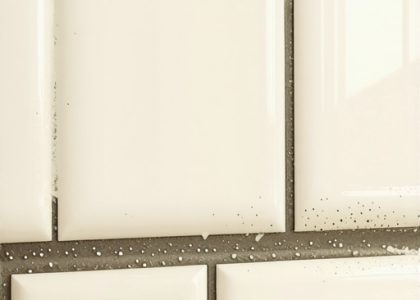
Proactive maintenance involves routine cleaning with pH-neutral agents, timely grout restoration, and the application of protective coatings. For grout lines, experts recommend using penetrating sealants that provide long-lasting moisture barriers. Regularly checking for signs of water damage or mold facilitates early intervention, significantly prolonging the lifespan of both shower enclosures and baseboards.
What are the latest advancements in moisture-resistant materials that can enhance the durability of bathroom finishes?
Staying informed about emerging technologies, such as nanotechnology-infused sealants and bio-based waterproofing solutions, can provide a competitive edge in design durability. To explore cutting-edge options, consult authoritative sources like the Journal of Building Engineering.
For professionals seeking to elevate their expertise, collaborating with manufacturers and sharing insights on platforms like our contact page can lead to innovative solutions tailored to specific project needs. Remember, the key to lasting bathroom impressions lies in anticipating future wear and applying expert strategies from the outset.
Innovating with Cutting-Edge Waterproofing Solutions
As bathroom environments become more demanding, the adoption of advanced waterproofing systems is crucial for durability. Modern liquid-applied membranes and sheet waterproofing products provide seamless barriers that significantly reduce water ingress risks, especially around complex joints and corners. These technologies, supported by authoritative research such as the Journal of Building Engineering, are transforming how professionals approach long-term moisture resistance in bathrooms.
Smart Maintenance: Technology Meets Longevity
Integrating IoT-enabled sensors into grout lines and baseboards can offer real-time monitoring of moisture levels, alerting homeowners or maintenance teams to potential issues before damage occurs. This proactive approach not only extends the lifespan of bathroom fixtures but also aligns with the latest trends in smart home integration. Regular updates on maintenance status, combined with expert advice from trusted sources, empower users to maintain their bathrooms with precision and confidence.
Are There Eco-Friendly Materials That Don’t Compromise on Durability?
Eco-conscious construction is gaining momentum, prompting innovations in sustainable, high-performance materials. Bio-based sealants and recycled content in waterproofing membranes are now capable of providing durability comparable to traditional options. For instance, research highlights the effectiveness of bio-based solutions in resisting mold and moisture, making them suitable for high-humidity environments while supporting green building certifications. For more insights into sustainable choices, visit our eco-friendly tile solutions guide.
What are the best strategies to combine innovation and practicality for bathroom longevity?
To achieve lasting results, professionals should adopt a holistic approach that incorporates innovative materials, meticulous installation practices, and ongoing maintenance protocols. Collaborating with manufacturers and sharing expertise on platforms like our contact page can foster the development of customized solutions tailored to each project’s unique needs. Remember, the key to durable bathroom upgrades lies in anticipating future wear and applying expert strategies from the outset.
For additional expert tips and detailed guides, explore our resource on trusted tile grout maintenance to ensure your bathroom remains pristine over time.
Harnessing the Power of Nanotech in Bathroom Surface Protection
Recent breakthroughs in nanotechnology have paved the way for ultra-thin, highly effective waterproofing solutions that can be seamlessly integrated into bathroom surfaces. Nanoparticle-infused sealants and coatings create a dense, impervious barrier at the molecular level, dramatically reducing water infiltration and mold growth. According to a comprehensive study published in the Journal of Building Engineering, these innovations are setting new standards for durability and environmental sustainability in bathroom construction.
What are the practical benefits of nano-enhanced waterproofing systems in high-moisture environments?
These systems offer superior resistance against water permeation, extend the lifespan of tile adhesives and grout, and facilitate easier maintenance due to their self-healing and anti-microbial properties. This means fewer repairs, more hygienic surfaces, and enhanced aesthetic longevity, making nano-coatings a game-changer for both residential and commercial bathrooms.
Integrating Smart Moisture Detection for Proactive Maintenance
Incorporating IoT-enabled moisture sensors into bathroom fixtures can revolutionize maintenance routines. These sensors continuously monitor humidity and water leakage levels, transmitting real-time data to homeowners or facility managers. Early detection of moisture anomalies enables prompt intervention, preventing costly repairs and structural damage. This proactive approach is supported by recent research demonstrating significant reductions in moisture-related deterioration when smart systems are deployed, as detailed in IEEE IoT Journal.
How can integrating smart technology influence long-term cost savings and environmental impact?
By preventing minor leaks from escalating into major failures, smart moisture detection reduces waste, conserves water, and minimizes the use of repair materials, contributing to greener building practices. Additionally, the data collected can inform future design improvements, fostering a cycle of continuous innovation in bathroom durability.
Eco-Friendly High-Performance Materials Achieving Dual Goals
Eco-conscious construction is increasingly prioritizing sustainable yet durable materials. Recycled-content waterproofing membranes, bio-based sealants, and natural mineral-based grouts are now capable of withstanding the rigors of high-humidity environments without sacrificing environmental integrity. The Eco-Friendly Tile Solutions Guide highlights numerous sustainable options that meet or exceed traditional performance benchmarks.
Can sustainable materials match the durability of conventional options in demanding bathroom applications?
Empirical studies indicate that with proper formulation and application, bio-based and recycled materials can provide comparable, if not superior, resistance to moisture, mold, and mechanical wear. This alignment of sustainability and performance is critical for modern architectural standards and green building certifications, ensuring bathrooms are both eco-friendly and long-lasting.
Advancing Waterproofing with Next-Generation Sealants and Membranes
Innovative waterproofing techniques, such as spray-applied liquid membranes and prefabricated sheet systems, offer seamless, flexible barriers that adapt to complex architectural features. These systems are backed by rigorous testing and validation processes documented in authoritative sources, including the Journal of Building Engineering. Such advancements significantly diminish the risk of water ingress at joints, corners, and transitions, pivotal in high-performance bathroom environments.
How do these cutting-edge waterproofing solutions compare in application ease and effectiveness to traditional methods?
Compared to conventional membrane systems, modern liquid-applied membranes provide faster installation, fewer seams, and superior conformity to complex geometries. Their ability to form continuous, monolithic layers ensures higher reliability, especially when combined with professional installation practices that emphasize surface preparation and curing protocols.
For professionals and homeowners alike, integrating these innovative materials and technologies is a strategic move toward bathroom environments that stand the test of time. To deepen your understanding and stay ahead of the curve, consider consulting with manufacturers, attending industry seminars, and subscribing to leading construction science journals. Your expertise can shape the future of durable, sustainable bathroom design, ensuring longevity and aesthetic appeal for decades to come.
Revolutionizing Bathroom Resilience with Nanotech Innovations
Nanotechnology has emerged as a game-changer in bathroom surface protection, enabling the development of ultra-thin, highly effective waterproofing coatings. These nanoparticle-infused sealants form dense, molecular-level barriers, drastically reducing water infiltration, mold growth, and surface degradation. According to a detailed analysis in the Journal of Building Engineering, nanotech solutions are setting new standards for longevity and environmental sustainability in bathroom construction.
What are the advantages of nano-enhanced waterproofing systems in demanding environments?
These advanced coatings provide superior resistance to moisture permeation, extend the lifespan of adhesives and grout, and facilitate easier maintenance due to their self-healing and antimicrobial properties. This translates into fewer repairs, cleaner surfaces, and a consistent aesthetic appearance over time. For professionals, integrating nanotech-based solutions means embracing a future-proof approach that minimizes long-term costs and maximizes durability.
Smart Moisture Sensors: The Future of Preventative Maintenance
Incorporating IoT-enabled moisture sensors into bathroom fixtures transforms maintenance from reactive to proactive. These sensors continuously monitor humidity and detect leaks in real-time, transmitting alerts to homeowners or maintenance teams via connected devices. Early detection prevents minor issues from escalating into costly repairs or structural damage. Research published in the IEEE IoT Journal highlights the effectiveness of these systems in reducing moisture-related deterioration, thereby extending the lifespan of bathroom components.
How does smart technology influence long-term cost efficiency and environmental impact?
By identifying leaks early, smart moisture detection significantly reduces water wastage, prevents mold growth, and minimizes the need for invasive repairs. These benefits contribute not only to cost savings but also to greener building practices, aligning with sustainability goals. Additionally, the data collected can inform future design improvements, fostering continual innovation in bathroom durability strategies.
Eco-Conscious Materials That Deliver without Compromise
The demand for sustainable building solutions has led to the advent of bio-based sealants, recycled-content waterproof membranes, and natural mineral-based grouts. These eco-friendly materials match or surpass traditional options in resisting moisture, mold, and mechanical wear, without sacrificing environmental integrity. A comprehensive review in the Eco-Friendly Tile Solutions Guide demonstrates how these innovations support green building certifications while ensuring long-lasting performance.
Can sustainable materials rival conventional options in durability and performance?
Empirical data confirms that, with proper formulation and application, bio-based and recycled materials provide resistance comparable to, or exceeding, traditional solutions. Their ability to withstand moisture, mold, and mechanical stress makes them suitable for high-humidity environments, reinforcing the viability of green building practices without compromising longevity.
Seamless Waterproofing and Application Advancements
Next-generation waterproofing systems, such as spray-applied liquid membranes and prefabricated sheet barriers, offer seamless, adaptable solutions for complex bathroom geometries. These systems are backed by rigorous testing, as documented in the Journal of Building Engineering, ensuring they effectively prevent water ingress at joints, corners, and transitions. Their ease of application, combined with superior conformity, minimizes installation errors and enhances long-term performance.
How do these innovative waterproofing methods compare to traditional techniques in ease of use and reliability?
Compared to conventional membranes, modern liquid-applied systems allow faster installation, fewer seams, and better adaptability to intricate surfaces. Their seamless nature reduces vulnerabilities, making them a preferred choice for high-performance bathrooms. When paired with expert installation protocols, these materials significantly bolster overall durability and resilience.
Innovative Approaches Elevate Bathroom Longevity
Investing in bathroom durability requires a strategic blend of advanced materials, precise installation, and continuous maintenance. Experts emphasize that selecting nanotechnology-infused sealants, seamless waterproofing membranes, and IoT-enabled moisture sensors can dramatically extend the lifespan of shower enclosures and baseboards. These innovations not only resist moisture and mold but also enable proactive maintenance, ensuring long-term performance.
Authoritative Resources for Mastering Bathroom Durability
- Journal of Building Engineering: Provides peer-reviewed research on nanotech applications and waterproofing advancements, essential for staying ahead in material science.
- IEEE IoT Journal: Offers insights into smart moisture detection systems that revolutionize maintenance routines by enabling real-time monitoring and early intervention.
- Eco-Friendly Tile Solutions Guide: Highlights sustainable, durable materials that support green building certifications without compromising performance.
Most Impactful Insights for Future-Ready Bathroom Design
Adopting nano-enhanced waterproofing systems and integrating smart moisture sensors are game-changers, offering superior resistance and predictive maintenance capabilities. Moreover, eco-conscious materials now match traditional options in durability, aligning sustainability with longevity. Professionals are encouraged to collaborate with manufacturers and leverage authoritative research to craft resilient, eco-friendly bathrooms that withstand the test of time.
If you’re eager to deepen your expertise, consider consulting these resources, sharing insights on industry platforms, or exploring innovative materials to push the boundaries of bathroom resilience.

![Shower Tile Rattling? 3 Grout Fixes That Actually Work [2026]](https://elegantfloorz.com/wp-content/uploads/2026/04/Shower-Tile-Rattling-3-Grout-Fixes-That-Actually-Work-2026-420x300.jpeg)
This article highlights the importance of integrating cutting-edge materials like nanotech-infused sealants and advanced waterproofing membranes for long-lasting bathroom surfaces. From my experience, proactively addressing potential water intrusion points with these innovative solutions has significantly extended the lifespan of bathroom fixtures in properties I’ve renovated. The shift towards eco-friendly, durable materials is also encouraging, especially with the rising focus on green building standards.
One challenge I’ve faced is ensuring proper application of these advanced materials in complex architectural details. Proper surface preparation and professional installation seem crucial, but I wonder how DIY enthusiasts can best approach this without compromising integrity. Have you encountered effective methods or training resources that help non-professionals utilize these high-tech solutions successfully? Sharing insights could help more homeowners and smaller contractors embrace these advancements confidently.
This post really underscores the importance of using the right waterproofing and sealing strategies for long-lasting bathroom surfaces. From my experience with remodeling older homes, choosing materials like high-grade epoxy grouts combined with professional-grade vapor barriers has made a visible difference in preventing bathroom moisture issues over time. I was particularly interested in the section on nanotechnology-infused sealants, which seem to offer promising durability and environmental benefits.
In my projects, I’ve found that regular maintenance — such as reapplying penetrating sealants on grout lines and inspecting seals around fixtures — greatly extends lifespan. Have others found that integrating smart moisture sensors, as mentioned in the article, truly helps in early detection and avoids costly repairs? It’s fascinating how technology is shaping proactive maintenance, especially for busy households or commercial spaces.
Ultimately, I believe that a combination of advanced material selection, proper installation, and ongoing vigilance is the best approach to ensure bathroom resilience. What’s been your most effective strategy in managing moisture-related challenges in high-humidity environments? Would love to hear different approaches or tips.
This article offers some excellent insights into advanced materials and waterproofing techniques essential for extending bathroom longevity. I’ve personally employed many of these strategies in my remodeling projects, especially using nanotech-infused sealants and seamless liquid membranes, and the results have been impressive—less water damage, mold growth, and fewer repair calls. One thing I’ve noticed is that proper surface preparation becomes even more critical with these high-tech solutions. Are there specific training programs or tutorials that you’ve found helpful for DIYers or small contractors wanting to ensure quality application of these materials? Also, integrating smart moisture sensors sounds promising for proactive maintenance; I’m curious if anyone has used these devices in high-traffic or commercial settings and what their experiences have been in terms of effectiveness and cost.
I couldn’t agree more about the importance of selecting the right materials and employing meticulous installation techniques for bathroom durability. From my firsthand experience, integrating advanced waterproofing systems like seamless membranes combined with nano-coatings substantially reduces water ingress issues and mold growth, especially in high-moisture areas. What I found particularly helpful was training through manufacturer-provided workshops and online tutorials, which made a significant difference when applying these high-tech solutions myself. Regular maintenance, like reapplying sealants and monitoring for early signs of water damage, adds an extra layer of protection. I’m curious, have others experimented with IoT moisture sensors in residential settings? How effective have they been in catching leaks early and preventing costly repairs? Overall, proactive planning and leveraging technological innovations seem to be the key to preserving the aesthetic and structural integrity of bathrooms over time. Looking forward to hearing tips from fellow professionals on balancing innovation with practical application.