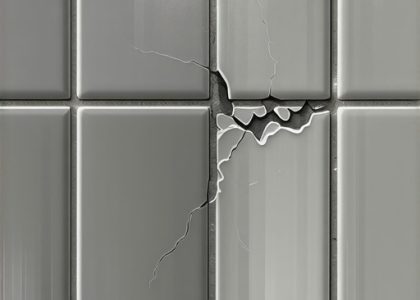
Mastering the Art of Durable Bathroom Finishes Through Material Synergy
In high-end bathroom renovations, achieving longevity and aesthetic excellence hinges on the seamless integration of baseboards, tiles, grout, and showers. From selecting resilient materials to understanding intricate installation techniques, professionals recognize that these elements collectively define both function and style, demanding meticulous planning rooted in advanced knowledge and field-tested practices.
Strategic Material Choices for Maximizing Resistance to Moisture and Wear
Choosing appropriate materials requires a nuanced approach that considers environmental exposure and mechanical stresses. For baseboards, moisture-resistant woods or composite alternatives like PVC or polystyrene effectively counteract water infiltration. Tile selections should prioritize impact, scratch resistance, and slip resistance, with porcelain and certain vitrified tiles offering superior performance. High-quality grout formulations, such as epoxy or cement-based mixes with integral sealants, enhance durability against staining, mold, and efflorescence, especially in shower enclosures where water exposure is continuous.
Expert Installation Techniques That Elevate Long-Term Performance
Proper installation transcends basic adherence; it involves precise substrate preparation, controlled grout joint spacing, and advanced sealing strategies. For instance, meticulous surface leveling and waterproofing membrane application lay the groundwork for preventing leaks and substrate deterioration. Grout application should follow the manufacturer’s curing protocols, complemented by professional sealing to prevent moisture ingress. Showers especially benefit from innovative adjustable shower bases and strategically placed drainage systems, minimizing stagnation and fostering thorough cleaning.
What Are the Emerging Technologies Enhancing Shower and Baseboard Durability?
Emerging solutions such as nanotechnology-infused sealants and vitreous ceramic coatings are revolutionizing the field by providing superior resistance to chemical and physical degradation. According to recent research from the Journal of Building Engineering, these innovations significantly prolong the service life of bathroom surfaces, reducing maintenance costs and enhancing aesthetic longevity. Integrating these advancements requires expert assessment of compatibility with existing structures and careful professional application.
For professionals seeking to refine their installations, exploring additional insights on maintenance and material optimization is invaluable. Visit this guide for advanced grout restoration techniques or engage with our expert consultation services to elevate your project outcomes.
Harnessing Cutting-Edge Sealants for Superior Moisture Protection
One of the most effective ways to ensure the longevity of bathroom finishes is through the application of advanced sealants that resist chemical breakdown and physical wear. Modern nanotechnology-infused sealants create a moisture-impermeable barrier, reducing the risk of water infiltration, mold growth, and staining. These products set new standards in maintenance reduction and surface preservation, making them a valuable investment for professionals aiming for long-lasting results. According to industry experts, integrating such innovative solutions can cut down renovation costs and prevent premature deterioration, especially in high-traffic shower areas.
What Are the Benefits of Customized Surface Treatments?
Tailoring surface treatments to match specific environmental conditions and material types can drastically improve overall durability. For instance, applying protective coatings that are specifically designed for porcelain or vitrified tiles can enhance impact resistance and prevent surface scratching. Similarly, specialized sealers for grout lines imbued with antimicrobial properties combat mold and mildew, maintaining a clean appearance over time. Implementing these customized treatments requires a thorough understanding of material compatibilities and proper application techniques, underscoring the importance of professional expertise in bathroom renovations. To learn more about optimizing surface longevity, explore trusted grout sealants.
How Can Technology Drive Future Developments in Bathroom Surface Longevity?
Advancements such as smart monitoring systems embedded within tiles and surfaces are beginning to emerge, offering real-time feedback on environmental conditions and structural integrity. These innovations enable early detection of moisture intrusion or material fatigue, allowing preventive measures before costly repairs are necessary. As research from the Journal of Building Engineering highlights, integrating sensor technology with durable surface treatments can revolutionize bathroom maintenance strategies, ensuring surfaces remain pristine and functional for decades.
Professionals interested in enhancing their project portfolios should consider exploring emerging technological tools and advanced material systems. For detailed guidance, visit this comprehensive resource that covers maintenance and innovative material integrations for lasting bathroom beauty.
Optimize Surface Resilience with Advanced Composite Materials
In the pursuit of superior bathroom longevity, the adoption of cutting-edge composite materials has become pivotal. Engineered polymers, fiber-reinforced plastics, and hybrid composites can dramatically enhance the structural integrity of substrates underlying tiles and fixtures, providing resistance against moisture ingress and mechanical stress. For example, glass fiber-reinforced cement boards outperform traditional substrates by offering enhanced dimensional stability and reduced warping under humid conditions, as documented in the authoritative study by Construction and Building Materials.
Can Nanotechnology Coatings Extend the Lifespan of Bathroom Surfaces?
Yes, nanotech-based coatings form an impermeable ultra-thin barrier at the molecular level, which not only prevents water penetration but also imparts stain resistance and inhibits microbial growth. Researchers have shown that applying silica-based nanocoatings to ceramic surfaces reduces dirt accumulation and eases cleaning efforts, thereby significantly extending service life. These innovative solutions, detailed extensively in Scientific Reports, are transforming standard bathroom maintenance protocols by dramatically cutting down on restorative interventions.
Implementing Smart Surface Monitoring for Proactive Maintenance
Integrating IoT (Internet of Things) sensors within bathroom surfaces—such as tile adhesives or grout lines—enables real-time tracking of environmental parameters. Data collected can detect early signs of moisture infiltration, temperature fluctuations, and even material fatigue, prompting targeted preventative actions. This proactive approach aligns with predictive maintenance models proven to reduce overall facility management costs. For instance, the deployment of embedded moisture sensors has demonstrated up to a 30% decrease in water-related damage incidents, as noted in recent industry case studies published in the Building Design & Construction magazine.
What Challenges Arise When Integrating Smart Technologies into Traditional Bathroom Finishes?
Despite the promising benefits, challenges such as ensuring sensor durability under prolonged moisture exposure, maintaining aesthetic consistency, and managing data security must be addressed. Furthermore, retrofit applications require compatibility with existing structures, necessitating customized solutions that blend technological integration with classic design principles. Engaging with multidisciplinary teams encompassing material scientists, IoT specialists, and interior designers is crucial for successful implementation, emphasizing the need for comprehensive planning and expertise at every stage.
Unlocking the Secrets of Next-Generation Bathroom Surface Resilience
In the pursuit of unparalleled durability and aesthetic finesse, professionals now turn to groundbreaking material innovations that redefine conventional standards. These advanced solutions harness nanotechnology, fiber-reinforced composites, and bio-inspired coatings, offering unprecedented resistance against moisture, impact, and chemical degradation. Incorporating such materials into renovation projects not only elevates surface longevity but also streamlines maintenance, resulting in sustainable and cost-effective outcomes.
Are Nano-Coatings the Future of Bathroom Surface Protection?
Emerging research indicates that nano-infused sealants and surface coatings dramatically enhance the water-repellent and stain-resistant properties of ceramic tiles and grout lines. By forming molecular-level barriers, these coatings defend against mold, mildew, and chemical stains, ensuring surfaces remain pristine over extended periods. The authoritative Journal of Materials Chemistry C underscores their potential, recommending professional application techniques to maximize efficacy.
What Are the Practical Limitations of Adopting Nanotech in Residential Bathrooms?
While nanotechnology offers remarkable benefits, challenges such as application complexity, higher initial costs, and long-term performance validation require consideration. Additionally, compatibility with existing substrates and finishes must be meticulously evaluated by experts to prevent unintended adverse reactions. Engaging with certified manufacturers and leveraging industry best practices ensures optimal results and investment security.
To further elevate your project quality, explore comprehensive guides on nanocoating application techniques and stay abreast of evolving standards by consulting specialized industry publications and research repositories.
Adaptive Composites: Building Better Foundations for Tile Installations
Engineered composites like fiber-reinforced cement and polymer-modified substrates are revolutionizing underlying structures, providing enhanced dimensional stability under humid conditions. These hybrid materials offer superior impact resistance, reduced warping, and improved bonding characteristics—crucial factors in high-moisture environments. Their adoption mitigates common issues such as tile cracking and substrate deterioration, ensuring a robust foundation for enduring bathroom finishes.
Could Bio-Inspired Coatings Offer an Eco-Friendly Path to Durability?
Inspired by nature’s remarkable resilience, bio-inspired coatings derived from plant polysaccharides and microbial enzymes present eco-friendly alternatives to conventional chemical treatments. These coatings promote self-healing, antibacterial properties, and moisture regulation, aligning with sustainable building practices. Recent developments documented in Nature Reviews Materials highlight their potential, though widespread industrial adoption awaits further field studies.
Harnessing Smart Material Systems for Diagnostic and Preventive Maintenance
The integration of intelligent materials embedded with sensors and adaptive responses signifies a transformative step in bathroom longevity management. These systems can monitor hydration levels, structural integrity, and surface wear in real-time, enabling proactive interventions before visible deterioration occurs. By leveraging data analytics and remote diagnostics, maintenance becomes predictive rather than reactive, significantly reducing downtime and repair costs. Industry leaders forecast that such smart systems will become standard in high-end bathroom design and remodeling projects.
What Obstacles Stand in the Way of Fully Smart Bathroom Surfaces?
Implementing these advanced systems faces hurdles related to technological complexity, data security concerns, and integration costs. Ensuring durability of embedded sensors in demanding environments and maintaining seamless user interfaces are vital challenges. Cross-disciplinary collaboration among material scientists, IoT developers, and design professionals is essential to develop resilient, user-friendly solutions. Navigating regulatory standards and establishing industry benchmarks will further facilitate mainstream adoption.
Expert Insights & Advanced Considerations
Prioritize Material Compatibility to Prevent Deterioration
Adopting materials with proven compatibility ensures long-term durability, especially when integrating new nanocoatings with existing surface types, reducing the risk of premature failure.
Implement Multi-Layered Waterproofing Systems for Superior Protection
Combining waterproof membranes with high-quality sealants creates a resilient barrier against moisture ingress, significantly extending surface lifespan in high-humidity environments.
Leverage Data-Driven Maintenance to Anticipate Issues
Utilizing embedded sensors and IoT technology facilitates real-time monitoring of surface conditions, enabling proactive interventions before visible deterioration occurs.
Explore Sustainable and Eco-Friendly Material Alternatives
Innovative bio-based coatings and recycled composite materials offer enhanced longevity while aligning with environmental sustainability goals, leading to responsible renovation practices.
Adopt Modular and Easy-to-Install Surface Components
Designing surfaces with modular elements facilitates quick replacements and upgrades, minimizing disruption and ensuring consistent performance over time.

![Shower Tile Rattling? 3 Grout Fixes That Actually Work [2026]](https://elegantfloorz.com/wp-content/uploads/2026/04/Shower-Tile-Rattling-3-Grout-Fixes-That-Actually-Work-2026-420x300.jpeg)