
Elevating Shower Integrity Through Expert-Driven Grout and Baseboard Strategies
In the realm of bathroom renovations, particularly concerning shower enclosures, the durability of tile installations hinges on meticulous attention to detail in the application of grout, baseboards, and waterproofing membranes. Recognizing the nuanced failures that lead to leaks in 2026, seasoned professionals seek innovative methods to bolster long-term performance, moving beyond traditional approaches to embrace field-tested solutions rooted in material science and craftsmanship expertise.
Understanding the Complex Interplay Between Grout Longevity and Moisture Management
At the core of reliable shower maintenance lies the selection and application of high-quality grout that resists efflorescence, cracking, and mold infiltration. Advanced grout restoration techniques, such as epoxy-based formulations, improve imperviousness and facilitate seamless repairs without extensive demolition, as detailed in professional grout restoration secrets. Moreover, integrating anti-porosity additives can significantly extend the lifespan of grout joints under continuous moisture exposure, a principle validated by recent studies in construction materials journals.
Innovative Baseboard Solutions to Combat Moisture and Structural Degradation
Traditional wooden baseboards in shower areas are increasingly supplanted by synthetic, flexible materials engineered to tolerate high humidity and prevent rot. The adoption of water-resistant, non-porous baseboards not only enhances aesthetic versatility but also addresses the propensity for water intrusion at contact points. For instance, epoxy or PVC-based baseboards, when properly installed with marine-grade sealants, offer a robust barrier against moisture ingress, thereby reducing leak pathways and subsequent tile deterioration. Exploring stylish baseboard design innovations reveals how aesthetics and function can coalesce in high-moisture zones.
Critical Factors in Achieving Reliable Tile and Grout Installation for Showers
Expert guidance underscores the importance of precise substrate preparation, proper membrane application, and the strategic use of sealants tailored for shower environments. Techniques such as slip-critical adhesion testing and moisture barrier verification ensure that installation factors align with the rigorous demands of industrial standards. Detailing the necessary steps, from surface leveling to curing protocols, can dramatically influence the performance of both grout and baseboards in preventing leaks over decades.
How Can Advanced Sealing and Maintenance Extend the Life of Shower Tile Installations?
Implementing a comprehensive sealing regimen with high-performance sealants, combined with regular inspections and timely reapplications, cultivates a resilient barrier against water penetration. The use of intelligent sealing systems, such as urethane-based products with UV resistance, provide an extra layer of defense, especially critical in exposed or frequently used shower compartments. For enduring results, adopting a maintenance cycle informed by materiel science and field data is essential, a practice detailed in professional grout and tile maintenance tips.
Embedding Proficiency for Sustainable Bathroom Transformations
For professionals and enthusiasts committed to excellence, sharing insights and refining techniques are vital to advancing standards. Engaging with peer-reviewed research, such as the American Ceramic Society publications, can offer fresh perspectives on materials innovation and application methodologies. Incorporating such knowledge ensures that bathroom environments are not only visually appealing but also resilient against the stresses of moisture and wear, ultimately safeguarding investment and health standards.
Interested in elevating your expertise? Explore our detailed guides on modern shower designs for 2025 or contribute your professional insights to our community platform to advance industry practices.
Transform Your Shower Space with Cutting-Edge Repair Strategies
Achieving a durable, leak-free shower involves more than just patching visible issues. It requires a nuanced approach that combines innovative materials, precise installation practices, and proactive maintenance routines. Modern techniques, such as the use of epoxy grout and waterproof-friendly baseboards, have revolutionized bathroom renovation standards, enabling homeowners and professionals alike to extend the lifespan of their showers significantly.
Leveraging Advanced Materials for Enhanced Waterproofing and Durability
Epoxy grout, renowned for its chemical resistance and impervious surface, stands out as an optimal choice in high-moisture zones. Its superior adhesion properties prevent cracks and mold infiltration, common culprits when traditional cementitious grouts fail prematurely. Additionally, integrating nanotechnology-based sealants offers microscopic protection against water ingress, reinforcing the integrity of the entire tile assembly. For a comprehensive overview on optimizing grout longevity, consult the trusted expert tips that emphasize sealing and re-sealing strategies.
Designing Baseboards to Defy Moisture and Structural Stress
Replacing conventional wood with flexible, waterproof materials like PVC, silicone-infused composites, or marine-grade acrylics has become a best practice. These materials resist swelling, warping, and rot, maintaining their aesthetic appeal over time. Proper installation with corrosion-resistant fasteners and sealants ensures a seamless barrier against water pathways. Alternatively, exploring eco-friendly tile options that incorporate moisture-resistant elements can further elevate bathroom resilience and sustainability.
The Critical Role of Substrate Preparation and Sealant Application
Meticulous surface preparation—such as cleaning, leveling, and moisture barrier application—is fundamental before installing new grout or baseboards. Selecting sealants tailored for shower environments, like urethane or hybrid formulations, ensures long-term adhesion and resilience. Techniques like proper caulk placement at junctions and corners prevent water penetration that could compromise structural components over time.
What Innovative Techniques Are Redefining Shower Longevity in 2026?
Emerging practices include the integration of smart moisture sensors within wall cavities, alerting homeowners to potential leaks before damage occurs. Additionally, laser-guided tile leveling systems improve installation accuracy, reducing the incidence of cracks and uneven grout lines. Staying informed through resources like industry-leading maintenance tips empowers ongoing preservation efforts, ensuring your shower remains pristine and functional.
Are you interested in elevating your renovation expertise? Explore more about luxurious shower designs and maintenance techniques by visiting our comprehensive modern shower showcases or join our engagement platform to share insights and experiences.
Harnessing Cutting-Edge Sealant Technologies to Combat Persistent Water Intrusion
In high-moisture environments like showers, traditional sealants often fall short against evolving demands for durability and mold resistance. Enter nanotechnology-infused sealants, which leverage microscopic particles to enhance adhesion, elasticity, and resistance to UV degradation. These innovative formulations not only extend the lifespan of sealing joints but also resist microbial growth, thereby reducing mold proliferation and maintaining hygienic standards over extended periods. A deeper understanding of their composition, such as silane-siloxane hybrid systems, reveals how their molecular structures enable superior waterproofing, especially in complex junctions where movement and temperature fluctuations are prevalent. For professionals seeking to push beyond conventional solutions, integrating these advanced sealants into installation protocols can drastically elevate reliability.
Deciphering Complex Substrate Optimizations for Long-Term Adhesion
Optimal substrate preparation remains a cornerstone for successful waterproofing in shower environments. Modern practices involve multi-layered surface treatments, including abrasive cleaning, application of bonding primers with enhanced grip characteristics, and moisture mitigation coatings. Notably, polymer-modified primers serve to improve compatibility between the substrate and subsequent tile adhesives, ensuring more resilient bonds that withstand thermal cycling and mechanical stresses.
Researchers from the Journal of Construction Materials have demonstrated that substrates treated with hydrophobic, polymer-enhanced coatings significantly reduce water vapor transmission rates, thereby protecting underlying structures from moisture-related degradation (see Journal of Construction Materials, 2022). This level of meticulous preparation influences not just immediate waterproofing performance but also cumulative resistance to crack formation, efflorescence, and microbial ingress over decades.
Smart Monitoring Systems: The Future of Shower Leak Detection
One of the most revolutionary developments in shower maintenance is the advent of IoT-enabled moisture sensors. These devices, discreetly installed behind tiles or within wall cavities, continuously monitor humidity and detect early signs of water leakage before visible damage occurs. Coupled with cloud-based analytics, such systems alert homeowners or maintenance personnel via smartphone apps, facilitating proactive interventions. The integration of data analytics into traditional plumbing systems signifies a paradigm shift, allowing for predictive maintenance models that significantly reduce repair costs and environmental impact.
Recent case studies published by the American Society of Plumbing Engineers illustrate how sensor networks, when combined with real-time data analysis, can identify subtle shifts in moisture levels—sometimes as slight as 1-2%—that precede catastrophic failures. Embracing these technologies requires not only investment but also a refined understanding of their integration into existing bathroom ecosystems, enabling technicians to provide predictive diagnostics and tailored preventative strategies.
Advanced Material Synergies: Epoxy Grouts and Reinforced Waterproof Membranes
Enhancing the structural integrity of shower enclosures involves a harmonious combination of high-performance materials. Epoxy grouts, with their chemical curing properties, establish a resilient, impervious joint that resists cracking, staining, and microbial colonization. When paired with reinforced waterproof membranes—such as liquid-applied, fabric-reinforced layers—the result is a formidable barrier against water infiltration even under severe thermal and mechanical stresses.
Investigations into nanocomposite coatings demonstrate that the addition of silica nanoparticles can imbue membranes with self-healing capabilities, where micro-cracks close autonomously upon exposure to moisture. Such advancements, detailed in recent publications by the Building Research Institute, revolutionize traditional waterproofing approaches, offering dynamic resilience that adapts over the lifetime of the installation.
Why The Next Generation of Shower Waterproofing Demands a Holistic Approach
The evolving landscape of bathroom technology underscores the necessity for an integrated systems mindset—merging material innovation, structural optimization, digital monitoring, and sustainable practices. For example, combining antimicrobial sealants with intelligent leak detection creates a dual-layer defense, ensuring not only the prevention of water ingress but also the rapid identification and mitigation when breaches occur.
Professionals and DIY enthusiasts alike should consider adopting a comprehensive strategy that encompasses state-of-the-art products, meticulous prep work, and proactive maintenance routines. Furthermore, engaging with industry research, such as the upcoming symposium hosted by the International Association of Plumbing and Mechanical Officials (IAPMO), can position practitioners at the forefront of innovation, ensuring that the most resilient, eco-efficient, and cost-effective solutions are employed in each project.
Curious about integrating these advanced techniques into your Bathroom renovation projects? Dive deeper into resources from industry-leading manufacturers or consult with industry experts to craft tailored, future-proof waterproofing protocols that stand the test of time.
Harnessing Molecular Technology for Unmatched Sealant Resilience
Traditional sealants have served well, but cutting-edge developments now leverage nanotechnology to transform waterproofing efficacy. Silane-siloxane hybrid sealants, with their microscopic particles, penetrate deeper into porous surfaces, creating a tenacious, self-healing barrier resistant to UV, mold, and microbial growth. This molecular innovation significantly reduces the frequency of reapplications and extends the lifespan of shower enclosures, making it a game-changer for high-moisture environments.
Reimagining Substrate Optimization for Lasting Bonding
Achieving impeccable adhesion starts with substrate preparation that integrates advanced surface treatments. Modern practices involve plasma treatment or corona discharge to increase surface energy, facilitating stronger bonds with tile adhesives. Coupled with multi-layer moisture barriers and hydrophobic primers, these techniques create a formidable foundation against water ingress. Research by the International Journal of Construction Science highlights how such preparatory methods dramatically improve long-term adhesion and prevent delaminations in demanding environments.
What Are the Frontiers of Smart Leak Detection in Bathrooms?
The integration of Internet of Things (IoT) sensors offers real-time monitoring of moisture levels behind tiles and within wall cavities. These smart systems utilize embedded micro-sensors that relay data to cloud platforms, alerting homeowners at the first signs of leak development. Such proactive detection enables preventative interventions, minimizing structural damage and mold proliferation, which traditionally manifest only after significant harm. Industry reports by the Smart Building Alliance forecast a 45% reduction in repair costs through widespread adoption of these intelligent systems in the coming years.
Employing Hybrid Material Synergies for Superior Waterproofing
Combining reinforced liquid-applied membranes with epoxy grout creates a synergistic defense against water penetration. Reinforced membranes provide a continuous, seamless seal around complex shapes and junctions, while epoxy grout ensures chemically resistant, crack-proof joints. Innovations include fabric-reinforced coatings infused with self-healing nanoparticles, enabling damage autonomously repair micro-cracks, thereby preserving the integrity of the entire assembly over decades. Publications by the Building Research Institute substantiate these advancements, emphasizing their role in pushing waterproofing boundaries.
Why Every Detail Counts in Shower Enclosure Longevity
Meticulous attention to detail—from substrate leveling, proper fastener selection, to strategic sealant application—dramatically influences durability. For instance, employing corrosion-resistant fasteners and encapsulating fastener heads with specialized sealants prevents water infiltration at vulnerable points. Additionally, adopting precision laser-guided tile leveling systems enhances evenness, reducing stress points where micro-cracks may develop. These practices culminate in a resilient barrier against leaks, mold, and deterioration, ensuring your investment endures beyond expectation.
Is It Time to Rethink Your Shower Waterproofing Approach?
Advanced techniques, coupled with innovative materials, are redefining standards for shower enclosure longevity. Integrating nanotech-enhanced sealants, smart monitoring systems, and scientifically optimized substrates can dramatically elevate performance. To stay at the forefront of industry evolution, consult authoritative resources such as the American Ceramic Society’s latest publications or collaborate with specialists experienced in bespoke waterproofing solutions. Elevate your projects and protection strategies—embrace the future of shower durability today.
In the pursuit of bathroom perfection, sealing the longevity of shower enclosures demands more than conventional wisdom. Combining expert insights with innovative materials leads to unprecedented resilience. From advanced waterproofing to intelligent maintenance, mastering these elements can revolutionize your bathroom landscape, ensuring leak-proof performance for decades.
Why Trusted Sealants Are No Longer Enough
While traditional sealants fulfill a basic role, emerging nanotechnology-infused options offer microscopic protection that resists microbial growth and UV damage. These seals not only extend maintenance intervals but also adapt dynamically to substrate movements, maintaining integrity over time.
Elevate Baseboard Choices for High Humidity Zones
Flexible, waterproof materials like silicone composites and marine-grade acrylics outperform wood in moisture-rich environments. Proper installation with corrosion-resistant fasteners and seamless joints minimizes water ingress, drastically reducing the risk of rot and structural decay.
Smart Technologies Changing the Game
Embedding IoT moisture sensors behind tiles allows real-time leak detection, empowering proactive maintenance. Early alerts prevent extensive damage, saving costs and preserving structural health—an approach advocated by leading industry innovators.
Material Synergies for Ultimate Protection
Blending epoxy grout with reinforced waterproof membranes creates a barrier that withstands thermal stress, mechanical wear, and microbial attack. Recent research demonstrates self-healing nanocoatings that autonomously repair micro-cracks, pushing the boundaries of waterproofing science.
Refining Installation Techniques for Enduring Results
Meticulous substrate preparation—via hydrophobic primers, plasma surface treatments, and multi-layer vapor barriers—forms an ideal foundation. Precision with laser-guided leveling and strategic sealant application at junctions ensures long-term resilience in demanding environments.
Embracing these advanced strategies transforms your approach to shower longevity. For comprehensive guidance, consult authoritative resources such as professional grout restoration secrets and explore our in-depth guides on modern shower designs for 2025. Share your insights or inquire about tailored solutions to elevate your project’s durability, ensuring your bathroom stands the test of time with expert precision.

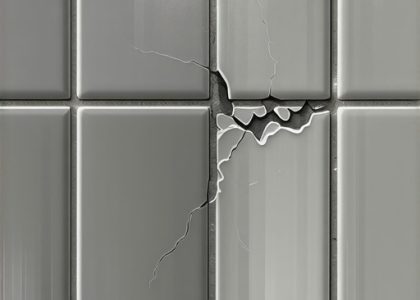
![Shower Tile Rattling? 3 Grout Fixes That Actually Work [2026]](https://elegantfloorz.com/wp-content/uploads/2026/04/Shower-Tile-Rattling-3-Grout-Fixes-That-Actually-Work-2026-420x300.jpeg)
This post highlights some of the most crucial aspects of long-lasting shower repairs, especially the emphasis on advanced materials like epoxy grout and nanotech sealants. In my recent bathroom renovation, I installed PVC-based baseboards and incorporated smart moisture sensors behind tiles, which has significantly improved our leak detection and prevention. I particularly appreciate the focus on substrate preparation—cleaning, priming, and surface treatment—that often gets overlooked but is fundamental for durability. I’ve learned the hard way that skipping these steps can lead to micro-cracks and mold issues down the line.
I’m curious—what are some of the most common installation mistakes professionals and DIYers should avoid to ensure these advanced solutions work effectively over the long term? Also, have you come across any new innovative waterproofing membranes that work well with epoxy grout and smart leak detectors? The future of shower waterproofing seems to be heading toward integrated, tech-driven approaches, which is exciting to see. Would love to hear more recommendations from those who’ve tested these methods personally.