The structural reality of wet walls
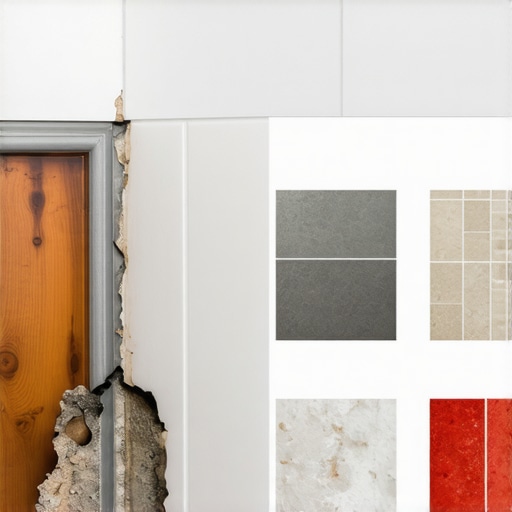
Bathroom rot occurs when moisture penetrates porous materials like wood or MDF via capillary action. High humidity and direct water contact cause swelling, mold, and structural decay. Replacing these with non-porous alternatives ensures long-term durability and prevents expensive repairs in wet environments like showers and bathrooms. Most guys skip the leveling compound. They think the underlayment will hide the dip. It won’t. I spent three days grinding concrete on a job last month just so the floor wouldn’t click like a castanet, only to find the baseboards were already turning into wet cardboard from a slow leak at the toilet flange. If you want a floor that lasts, you look at the subfloor and the trim as a single defense system. Water is patient. It will find the smallest gap in your caulking and travel up the back of an MDF board until the paint starts peeling. By then, the mold has already taken root in your drywall.
“A floor is only as good as the subfloor beneath it; deflection is the enemy of every joint.” – Master Flooring Axiom
This is the reality of residential construction. Most builders use cheap materials that fail within five years. We are going to fix that with 2026 technology.
PVC and the science of moisture resistance
PVC baseboards are 100% waterproof because they consist of high-density cellular polyvinyl chloride. Unlike wood, they do not absorb liquid or support mold growth. This material is ideal for bathroom perimeters where splashing is common, providing a permanent solution that looks like painted wood without the decay risk. When we talk about PVC, we are talking about a closed-cell structure. Think of it as a solid block of plastic that has been extruded into a decorative shape. It does not have fibers. It does not have grain. There is no way for water molecules to pull themselves up through the material. If you are looking for chic baseboard designs that transform rooms in 2025, PVC is the smart play for any wet area. You can submerge this stuff in a bucket of water for a month and it will not change size by even a millimeter. In contrast, a standard pine baseboard will swell by 10 percent in high humidity. That swelling breaks the caulk seal at the top. Once that seal is gone, the wall is exposed. It will fail. It is just a matter of time. You need to use a high-quality polymer adhesive when installing these. Mechanical fasteners are fine, but the adhesive provides the true moisture barrier against the wall.
Ceramic and porcelain wall base strategies
Tile baseboards offer the highest level of protection because they are fired at extreme temperatures to achieve near-zero porosity. By extending your floor tile up the wall, you create a waterproof basin that prevents water from ever reaching the wall studs. This is the gold standard for high-end showers. I always tell my clients that if they want a floor that survives a flood, they go with porcelain. The chemistry of the bond is what matters here. You aren’t just nailing a stick to a wall. You are using a modified thin-set mortar to create a chemical and mechanical bond between the substrate and the tile. This is why tile cleaning tips for a sparkling bathroom in 2025 focus so much on the joints. If the grout is solid, the system is invincible.
“The integrity of a ceramic assembly is dependent on the mortar coverage and the stability of the substrate.” – TCNA Handbook Standards
You need at least 95 percent mortar contact in wet areas. Anything less creates voids where water can sit and grow bacteria. It smells. It is gross. Do it right the first time. Check your grout lines. If they look worn, you should look into how to refresh grout without replacing it before the moisture gets behind the tile and rots the framing.
[IMAGE_PLACEHOLDER]
Stone polymer composites for high traffic zones
Stone Polymer Composite or SPC baseboards use a limestone core mixed with PVC to create an ultra-dense waterproof trim. This material is significantly harder than standard PVC, making it resistant to dents from vacuum cleaners or heavy traffic while remaining completely impervious to water. This is the molecular zoom. The limestone powder provides the structural rigidity. The PVC acts as the binder. You get a trim piece that is as heavy as stone but as easy to cut as wood. I have seen guys try to use cheap foam trim in bathrooms. It looks terrible after six months. SPC holds its shape. It does not warp. It does not expand. This is especially important if you have a large bathroom. Long runs of trim need to stay straight. If they bow, the corners open up. Open corners are where the rot starts. If your current setup is failing, you might need grout restoration secrets for long-lasting results to seal the transition between the floor and the new SPC base. Don’t forget the expansion gap. Even waterproof floors need room to breathe. I usually leave an eighth of an inch and fill it with 100 percent silicone. Do not use acrylic caulk in a bathroom. It will crack. Silicone stays flexible forever.
The metal trim alternative
Anodized aluminum and stainless steel baseboards provide a contemporary waterproof solution that is impossible to rot or infest with mold. These materials are often used in commercial settings but are trending in modern residential designs for their durability and sleek aesthetic in showers and wet rooms. Metal is the ultimate choice for a minimalist curator. It doesn’t need paint. It doesn’t need sanding. You install it with a high-strength construction adhesive, and it stays there. The 1/8 inch that ruins everything is the gap at the bottom. If you don’t level your floor, metal trim will show every dip in the subfloor. It won’t bend like wood. This is why I spend so much time with the grinder. You want that floor flat to within 1/8 inch over 10 feet. If it is flat, the metal trim sits tight. If not, you have a cleaning nightmare. Water will get under there and sit. It is about the physics of the surface. Smooth surfaces don’t hold water. Pitted or uneven surfaces do. If you are doing a baseboards makeover ideas to elevate your space project, consider the longevity of metal. It is a one-time investment.
The subfloor secret and installation checklist
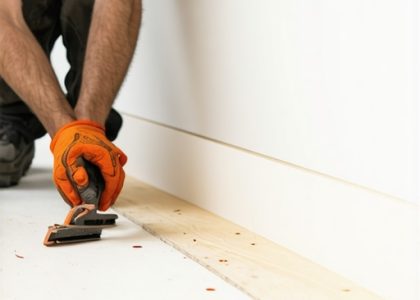
A successful waterproof baseboard installation depends entirely on the condition of the subfloor and the wall plate. If the wood underneath is already damp, sealing it behind waterproof trim will only trap the moisture and accelerate dry rot. You must dry the area completely before starting. Use a pinless moisture meter. If the reading is above 12 percent, you have a problem. Turn on a dehumidifier. Wait. I have seen $20,000 bathrooms destroyed because the installer was in a hurry to put the trim on. Below is a comparison of the materials we discussed to help you choose the right defense for your home.
| Material | Water Absorption | Durability | Installation Method |
|---|---|---|---|
| PVC | 0.01% | High | Adhesive and Nails |
| Porcelain Tile | 0.50% | Extreme | Modified Thin-set |
| SPC (Stone Core) | 0.02% | Very High | Adhesive |
| Anodized Aluminum | 0.00% | High | Clip-on or Adhesive |
The ghost in the expansion gap is the air that needs to move. Even with waterproof materials, you should never jam the trim tight against the floor. Leave a small gap. Fill it with a high-grade sealant. This prevents hydrostatic pressure from forcing water upward behind the wall. It is a simple step that most DIYers skip. Don’t be that guy. Use the following checklist to ensure your bathroom stays dry for the next twenty years.
- Test subfloor moisture levels with a calibrated meter.
- Remove all old adhesive and wood debris from the wall plate.
- Level the floor to within NWFA standards.
- Apply a bead of silicone to the bottom edge of the baseboard before installation.
- Use color-matched 100% silicone for all vertical and horizontal joints.
- Ensure the shower curb transition is fully sealed with a waterproof membrane.
If you follow these steps, you won’t be calling me in three years to rip out a moldy wall. You can find more inspiration for your bathroom project by looking at showers that wow modern designs for 2025. Proper planning is the difference between a beautiful room and a structural disaster. Stick to the standards. Don’t cut corners. Your house will thank you.